
How We Research and Verify
Every page starts from a real question a reader is trying to answer, then gets built from experience and primary sources. Here is the process, step by step, and how we handle facts that change.
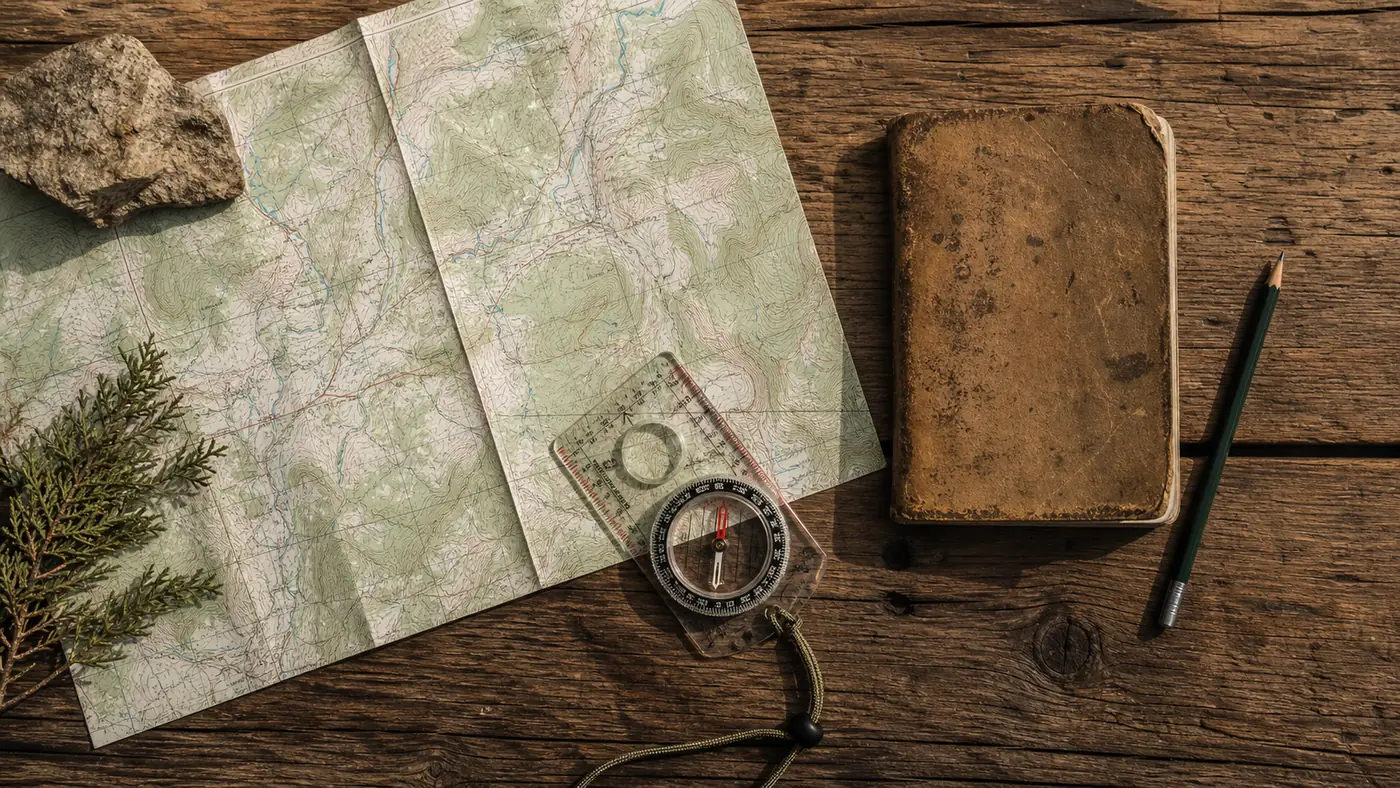
How we choose what to write
We start from a real reader question, not a keyword list. Before we open a document, we ask what a person actually needs when they search for this topic.
Someone typing "permit for the Enchantments" wants to know how the lottery works, when it opens, and what to do if they miss it. Someone searching "how cold is too cold to camp" wants a decision they can make tonight. We write the page that answers that question directly.
Every page has one job. We do not try to cover a whole region, a whole gear category, and a whole skill in a single article.
When a topic is large, we split it into pages that each answer one clear question, then link them together. This keeps each page focused and makes it easy for you to find the exact answer you came for.
- We define the reader and the moment they are in: planning at home, packing the night before, or standing at the trailhead.
- We state the single question the page answers, then cut anything that does not serve it.
- We link to related pages for adjacent questions instead of padding one page with all of them.
Where our facts come from
We rank our sources, and we start at the top. Official and primary sources come first because they own the facts.
When we tell you a permit rule, a closure, or a treatment method, we want it to trace back to the agency or body that sets it. We do not fill gaps with random blogs, forum comments, or guesses from an AI model.
Official and primary sources
Land managers and expert bodies set the rules and the science. We go to the National Park Service, the USDA Forest Service, the National Weather Service, Leave No Trace, and the Wilderness Medical Society first.
Reputable field organizations
Established clubs, guide services, search and rescue teams, and trail associations add practical detail that official pages sometimes leave out. We name them when we lean on them.
First-hand field experience
Our editors have walked these trails, slept in these conditions, and used this gear. Field experience never overrides an official source on a matter of fact.
What we do not use
We do not source facts from anonymous blogs, unverified social posts, or AI-generated text. If we cannot trace a claim to a source we trust, we do not publish it as fact.
When two trusted sources disagree, we say so and point you to the managing agency for the final word. You can see the people behind this work on our experts page.
Our research and drafting process
Every article moves through the same stages. The order matters, because it keeps research ahead of writing and review ahead of publishing.
- Scope the question. We write down the reader, the moment, and the single question the page answers. This becomes the test for every sentence that follows.
- Gather sources. We collect official rules, current conditions, and expert guidance, working down the source hierarchy from the top.
- Draft from experience and sources. An editor who knows the subject writes the page, pairing field experience with the sources gathered in the previous stage.
- Add internal links. We connect the page to related answers on trails, destinations, gear, and safety so you can go deeper without a new search.
- Prepare images. We select or shoot images that match the real subject and add information, then caption them plainly.
- Review. A second editor checks the facts and the sources. Safety-sensitive pages also go to our wilderness safety reviewer.
- Publish. We date the page, record the sources, and set verified dates on facts that can change.
How we handle facts that change
This is the part we take most seriously. A trail description can stay true for years, but the practical facts around it change often.
Permits open and close. Fees rise. A washout shuts a road for a season. A spring dries up in August. A campground bans dogs.
If we treat these facts as permanent, we send you into the backcountry with the wrong plan.
So we handle them differently from the rest of the page. Each changeable fact carries two things: the source we got it from, and the date we last verified it.
When we cannot confirm a fact against a current official source, we do not guess and we do not leave it looking solid. We mark it verification-required and tell you to confirm it with the agency that manages the land before you go.
Here is how we treat the fields that change most often. This is the standard our editors apply on every trail and destination page.
- Permits
- Sourced to the managing agency with a last-verified date. Marked verification-required near application windows.
- Fees
- Quoted with the date checked. We tell you to confirm current rates at the agency before paying or budgeting.
- Closures
- Tied to the official alert or order. Removed or updated as soon as we can confirm the status has changed.
- Water availability
- Treated as seasonal and unreliable. We give the source and date, and always tell you to carry a backup plan.
- Camping rules
- Sourced to the land manager, including group size, fire rules, and site limits, with the date verified.
- Seasonal access
- Stated with the normal open window and a note that snow, fire, and roadwork can shift it without warning.
Our backcountry editor, Marcus Lee, owns this standard and re-checks the facts on our most-used pages on a rolling schedule.
Safety review
Some mistakes cost more than a wasted trip. On safety-sensitive topics, a wrong detail can put you in real danger.
Pages that cover hypothermia, heat illness, altitude sickness, and water treatment go through a review by a wilderness first responder before we publish them.
Dana Whitfield, a certified Wilderness First Responder, reads these pages for accuracy and for anything that could lead a reader to act unsafely.
Dana checks that our guidance matches current wilderness medicine, and that we tell you clearly when a situation calls for evacuation or professional care rather than self-treatment.
- We flag every draft that touches injury, illness, or environmental hazard for safety review.
- The reviewer can hold a page until a claim is corrected. Safety review is not a formality.
- We tell you the limits of a field guide and when to get trained help.
You can read more about our reviewers on the experts page and browse the reviewed material in our safety section.
Images and our standards for them
An image on our site has to do a job, the same as the text. It must match the real subject and add information you cannot get from words alone.
A photo of the actual trail junction, the real water source, or the correct knot helps you. A generic mountain stock photo pasted onto an unrelated route does not.
We do not use images that misrepresent a place or a hazard. We will not show a calm river to illustrate a crossing that is dangerous, or a green meadow to stand in for a trail that is buried in snow half the year.
When an image could mislead you about conditions, we replace it or caption it plainly so you read it correctly.
Corrections and updates
We date every page so you can see how current it is. We also expect to be wrong sometimes, and we would rather hear about it than leave a mistake standing.
If you find an error, tell us. We read every message and we fix confirmed errors quickly.
We triage corrections by risk. A safety error jumps the line and gets fixed first, because that is the kind of mistake that can hurt someone.
A permit or fee that has changed comes next. A typo waits its turn. When we make a substantive fix, we update the page date so you know it has been reviewed again.
- Send corrections to our contact page or email [email protected].
- Safety errors are corrected first, ahead of everything else.
- We update the page date whenever we make a meaningful change.
The rules behind all of this live in our editorial policy. That page explains who is accountable for what we publish and how we hold ourselves to the standards described here.
Last reviewed: 2026-07-03