
Moderate
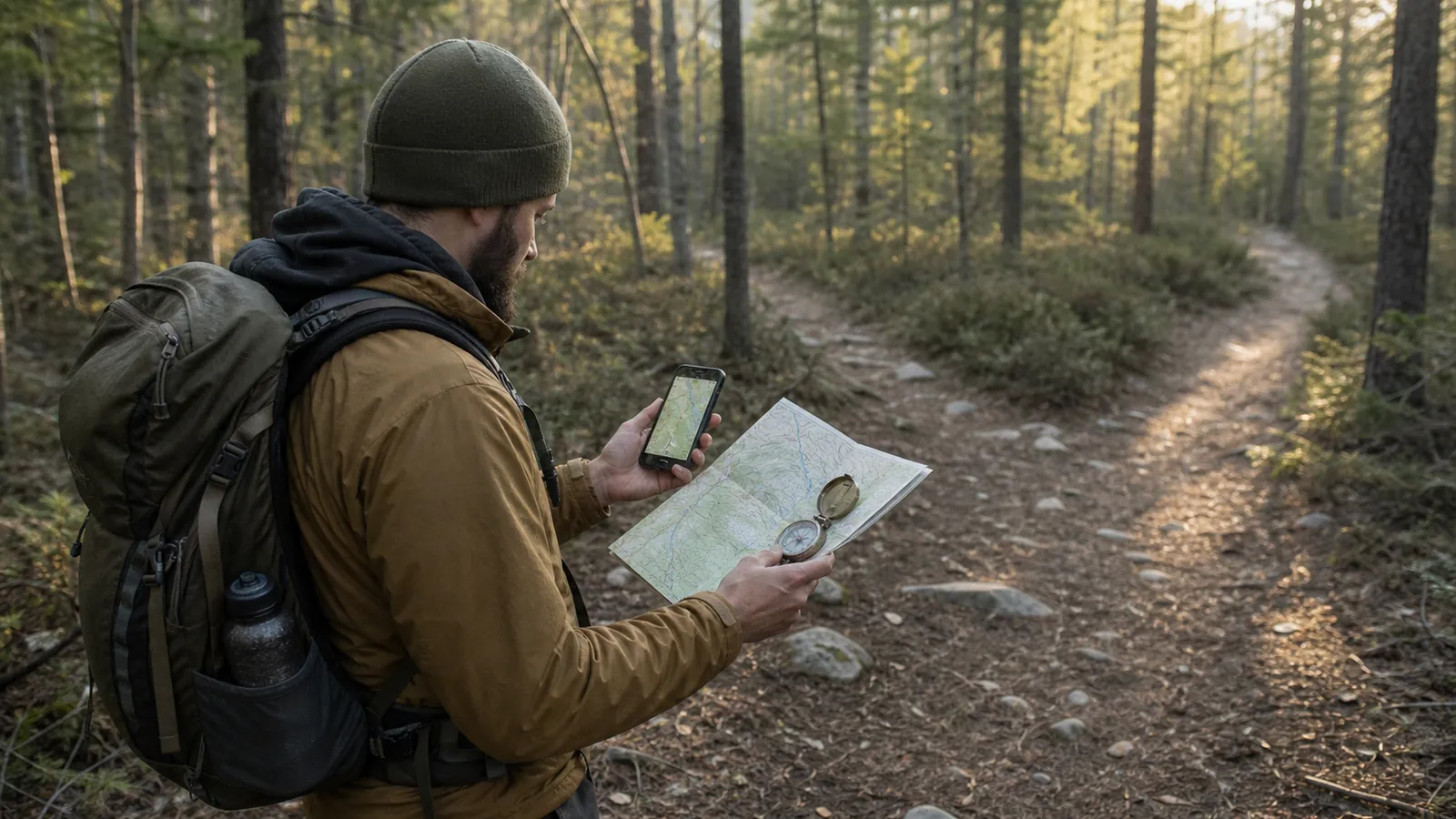
How Do You Navigate With GPS Without Following It Blindly?
The screen supplies a position. You still have to decide whether it belongs to the terrain in front of you.
Read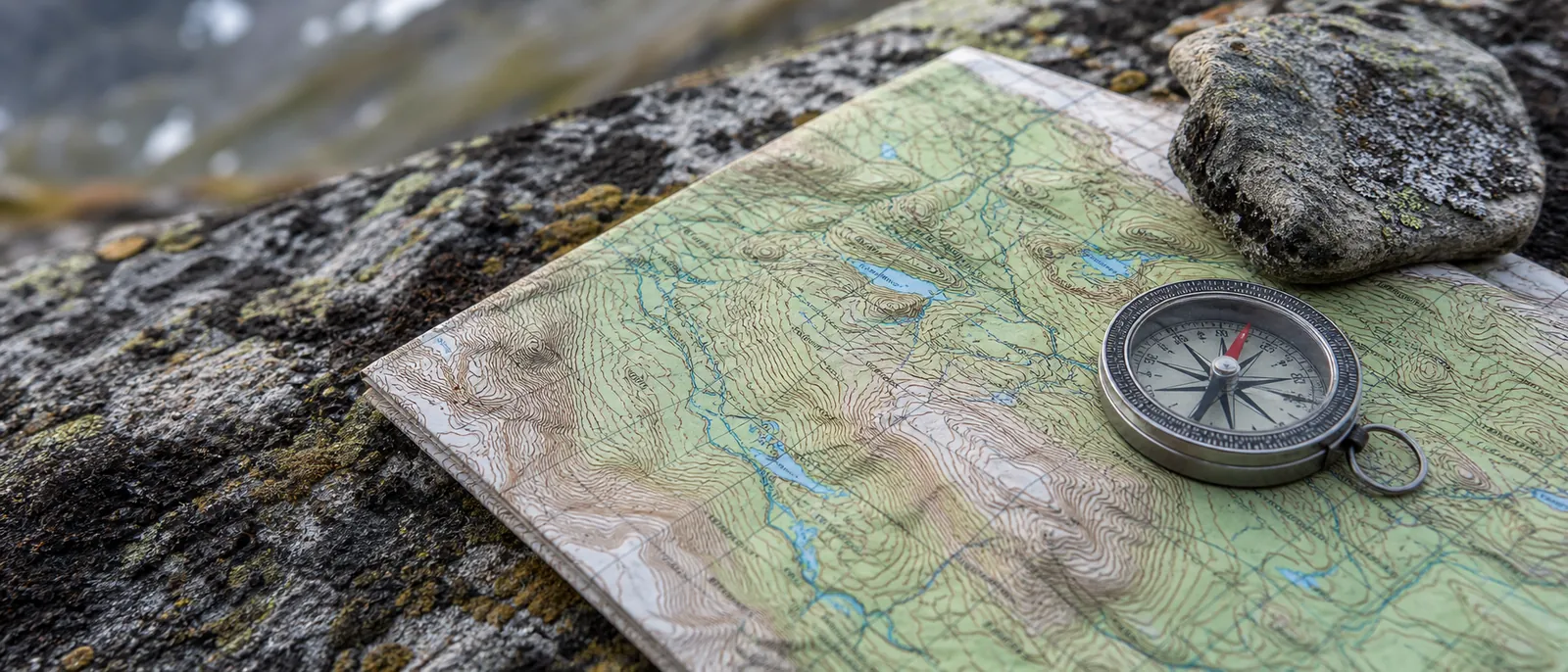
Skills like navigation and water treatment carry across hiking, trekking, and camping. Learn them once and use them everywhere.
Each one is field-tested and, where safety is involved, checked by a qualified responder.
The screen supplies a position. You still have to decide whether it belongs to the terrain in front of you.
Read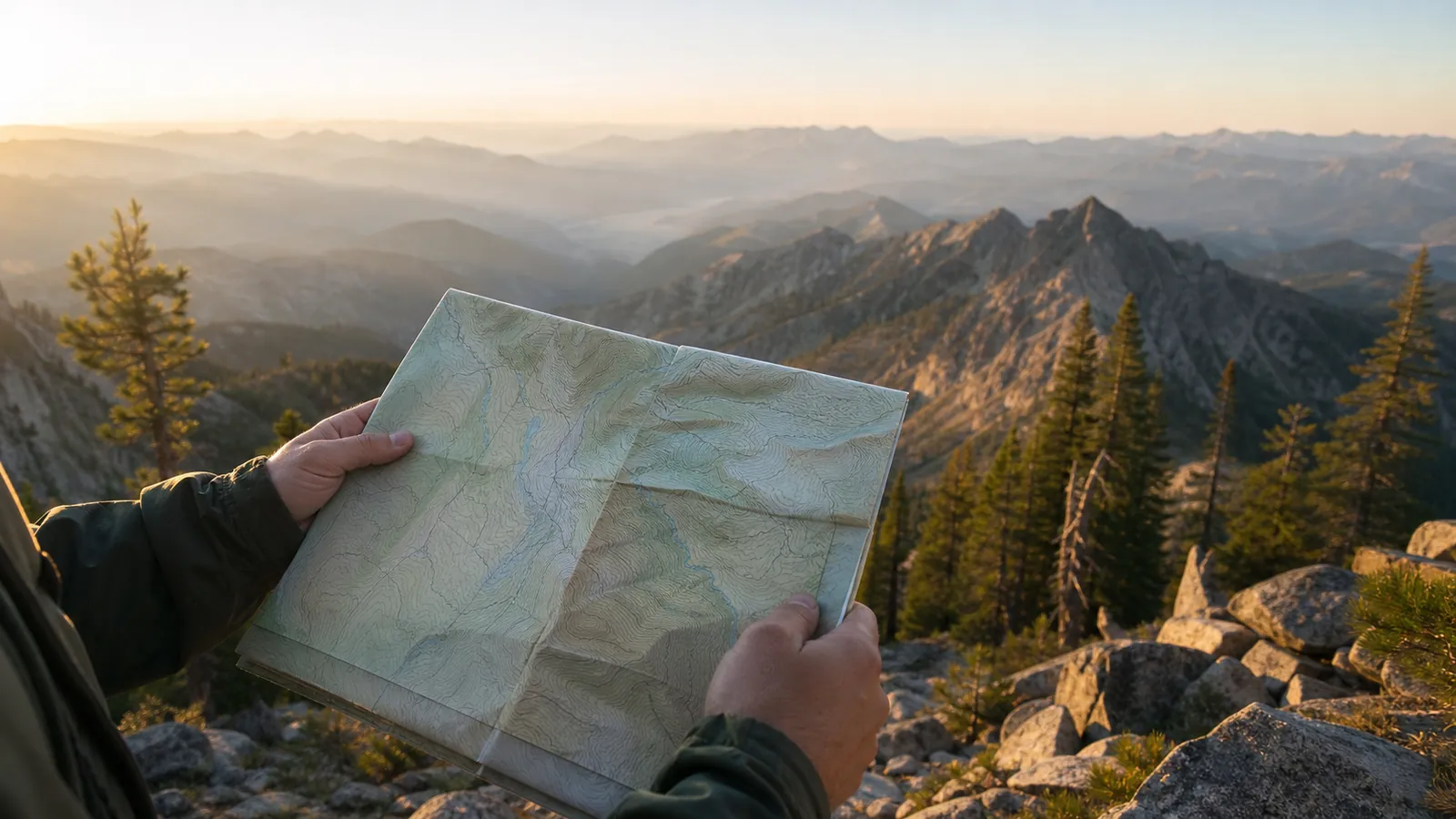
Read the map as terrain, not as a page of brown lines.
Read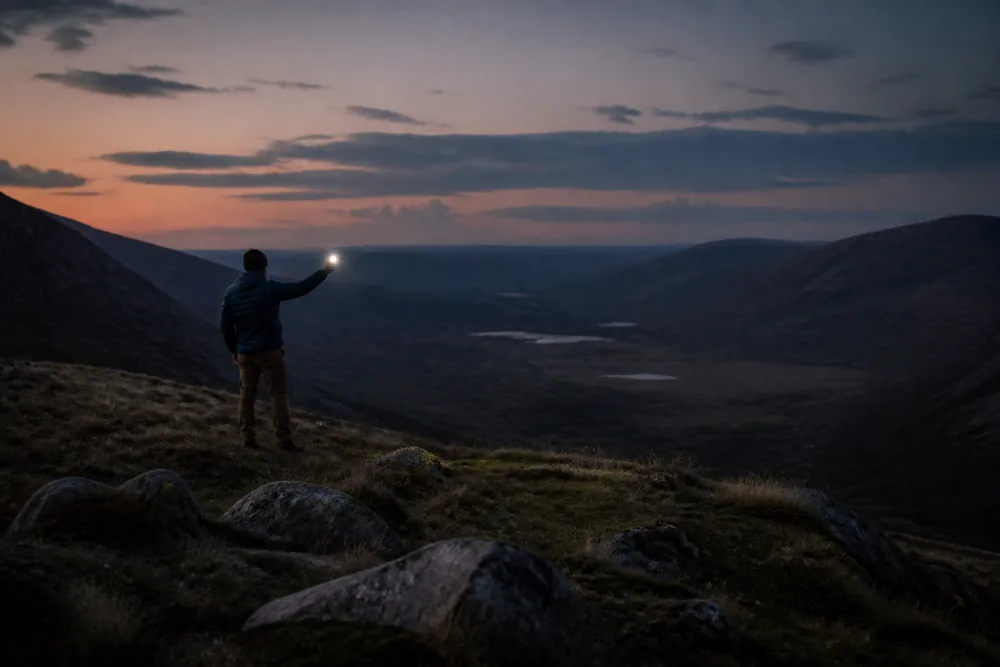
Reaching somebody and being found by them are two different jobs.
Read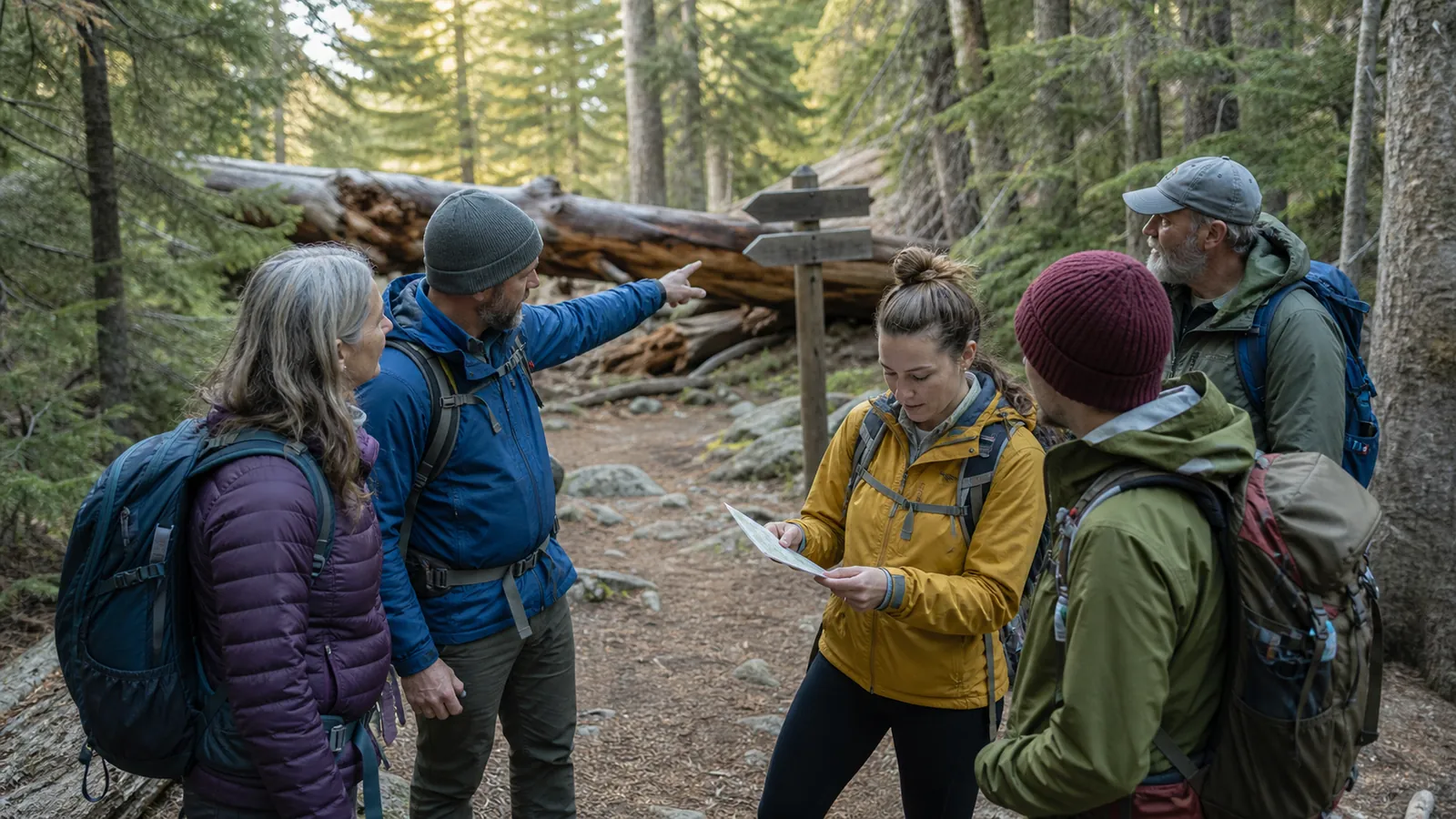
Keep a short, unbroken chain between where you were certain and where you stand now.
Read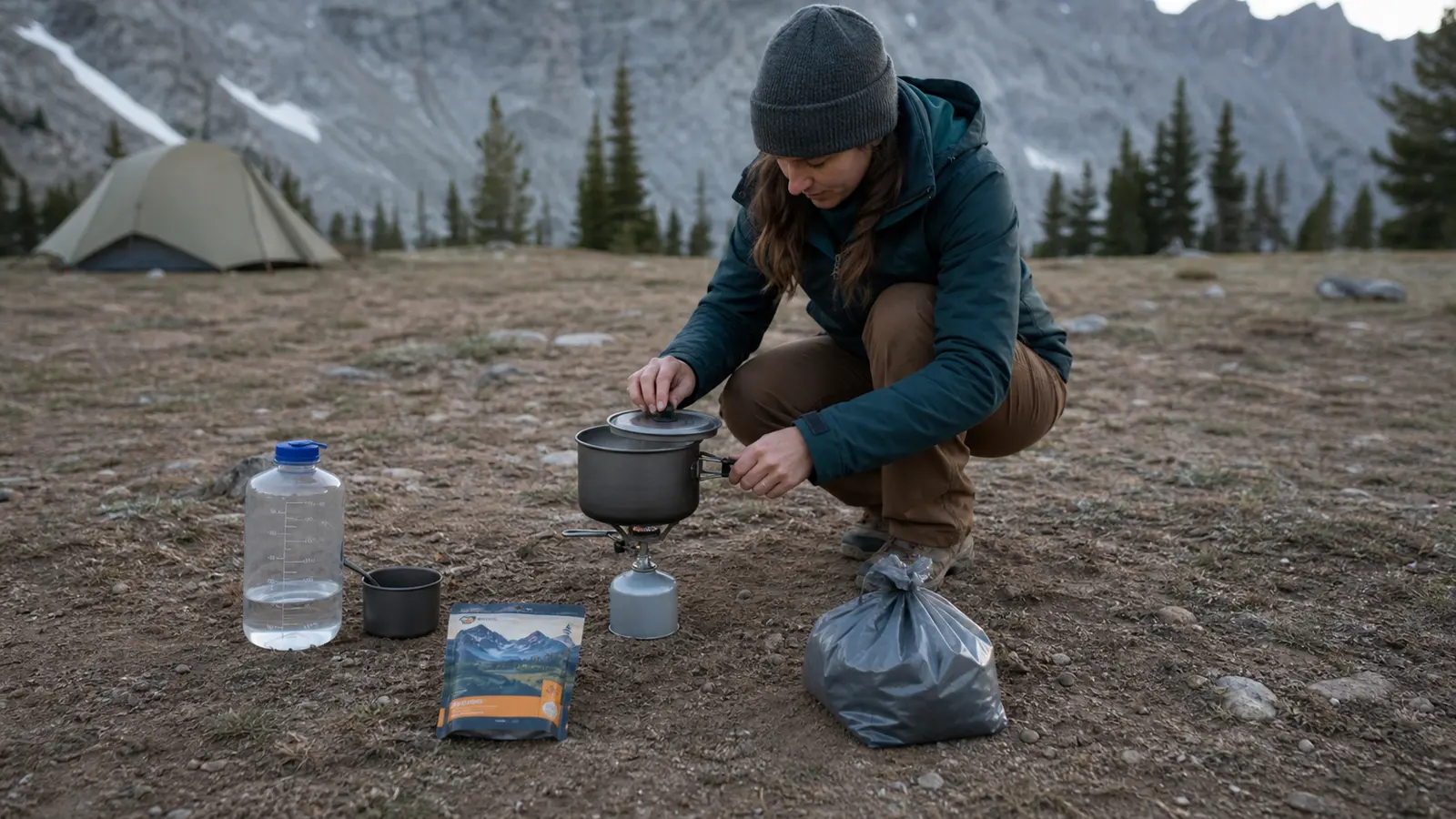
Match the meal to the method, stabilise the stove, measure resources, protect food safety, and clean without leaving odour.
Read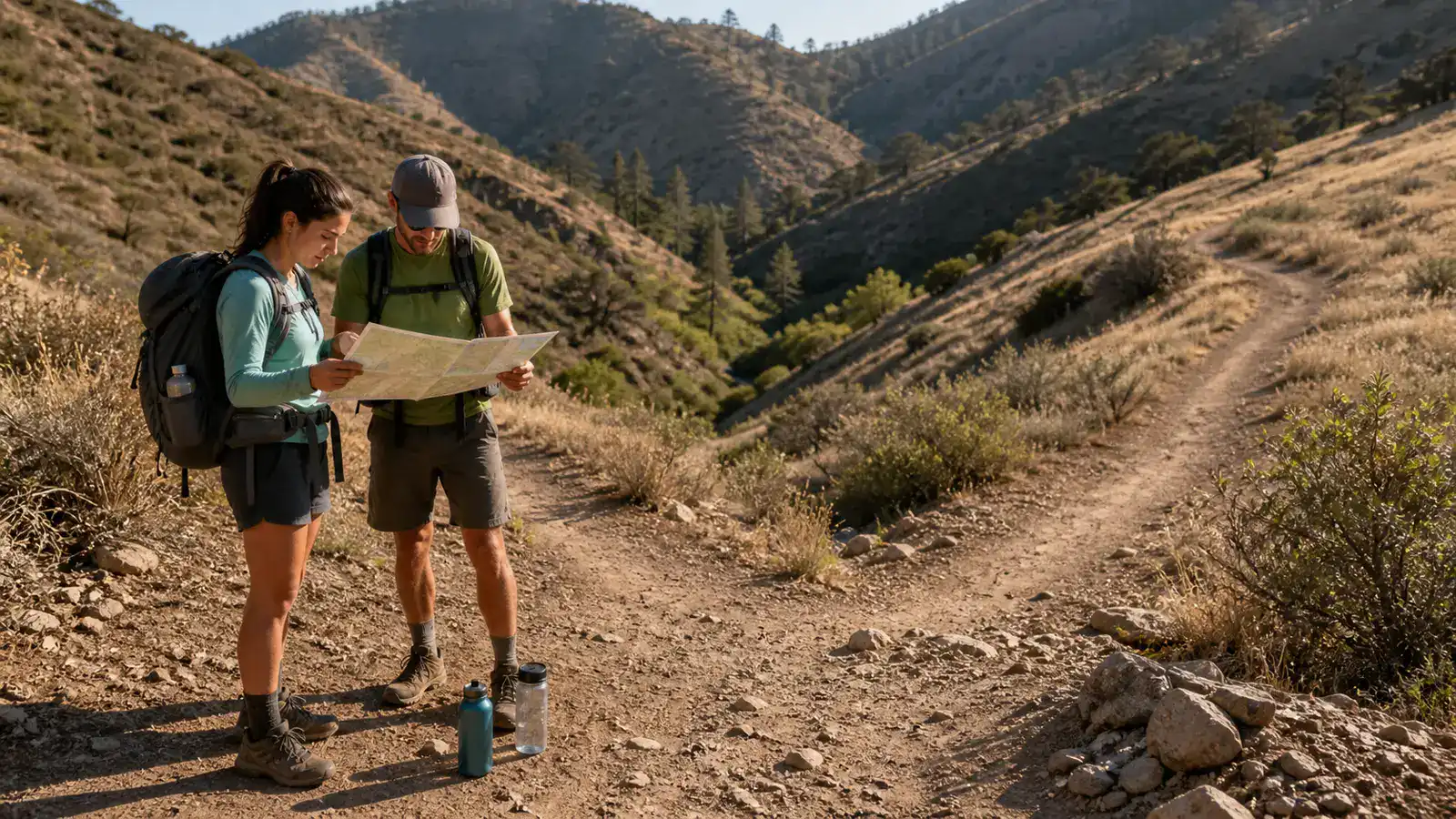
Verify current reports, map alternatives, read the catchment, protect the source, and turn around before the reserve disappears.
Read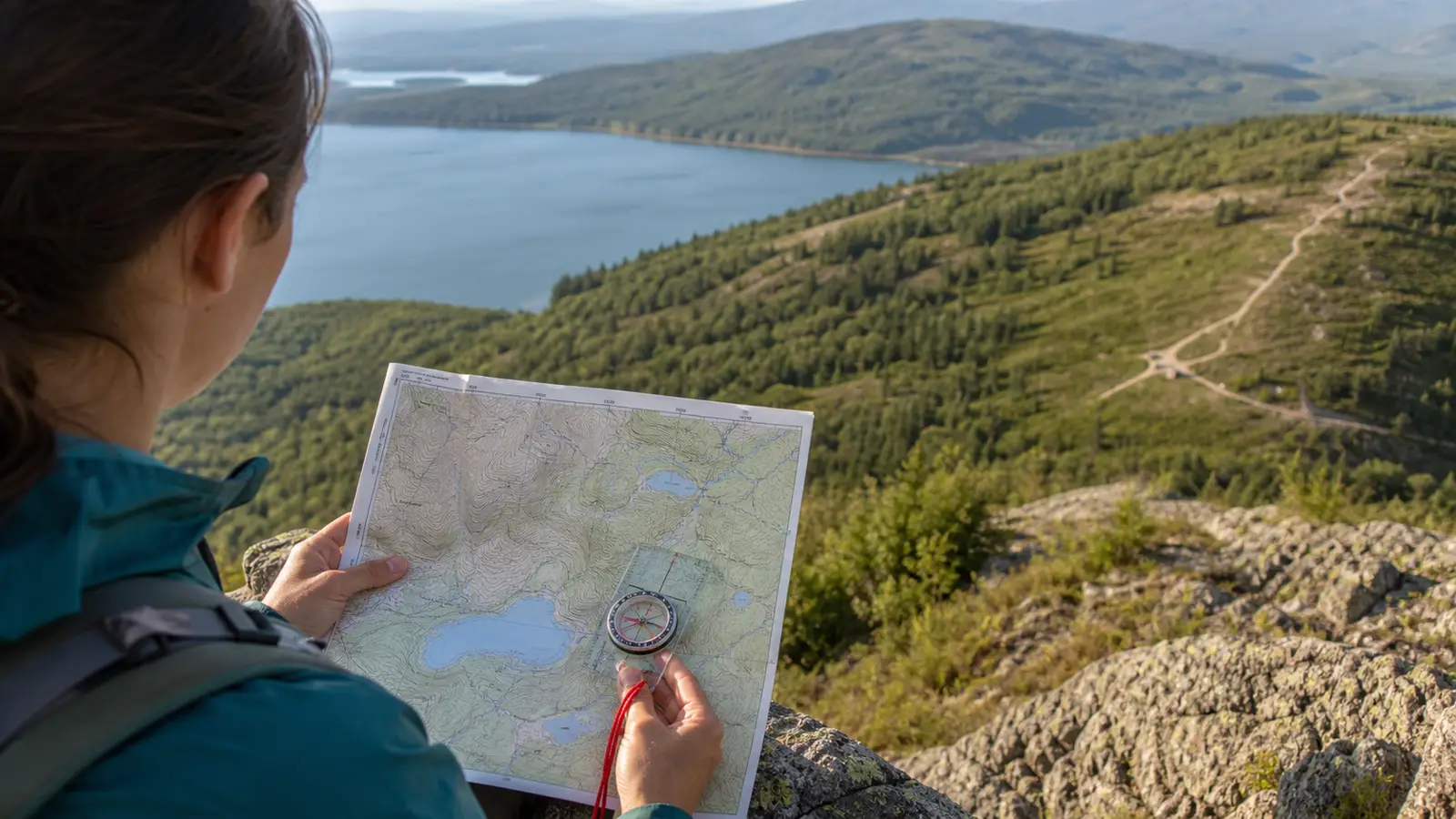
Align north, rotate map and compass together, match several features, and keep orientation separate from position.
Read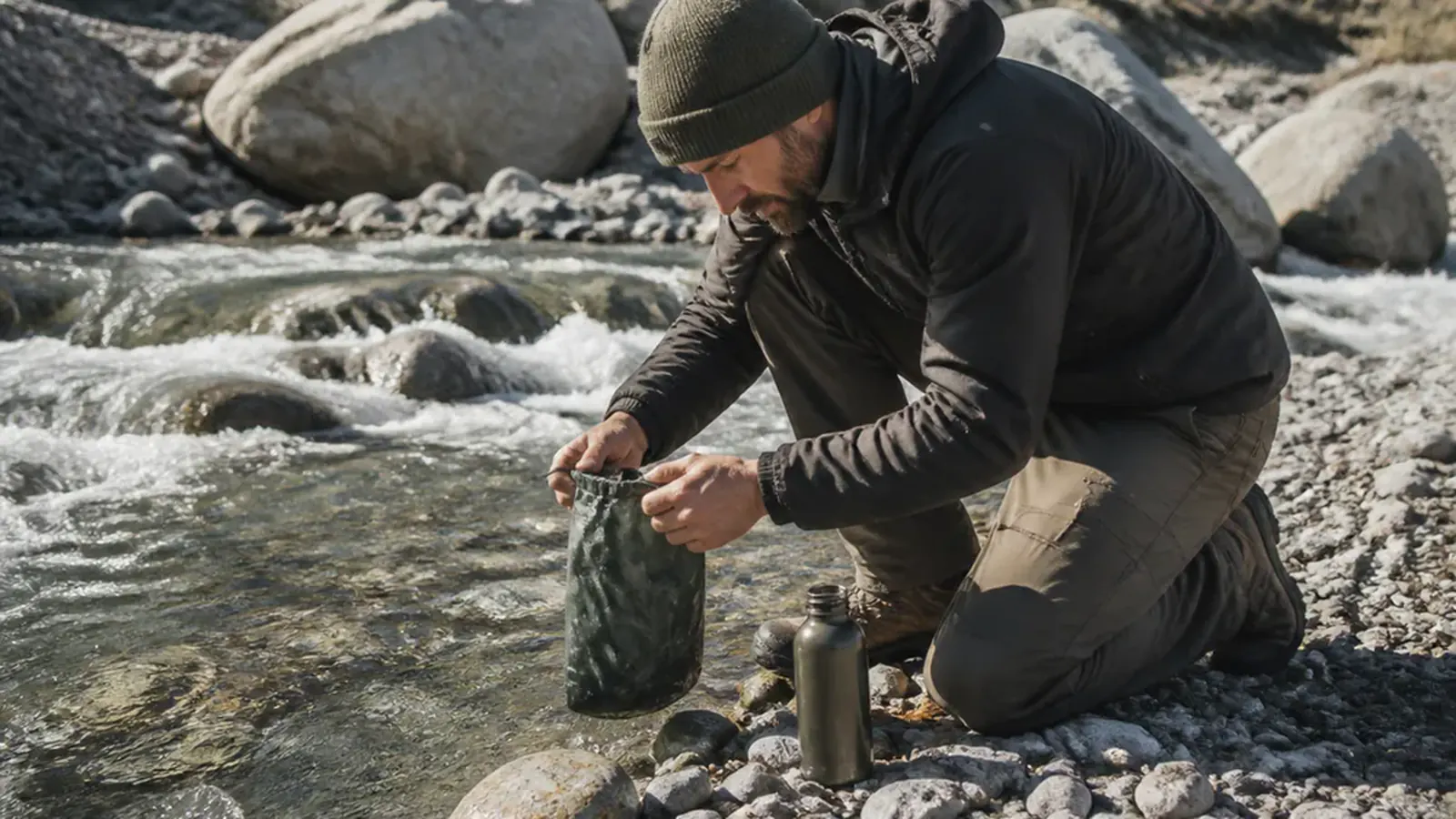
Choose a usable source, match treatment to the pathogens, and protect the clean side when equipment or conditions change.
Read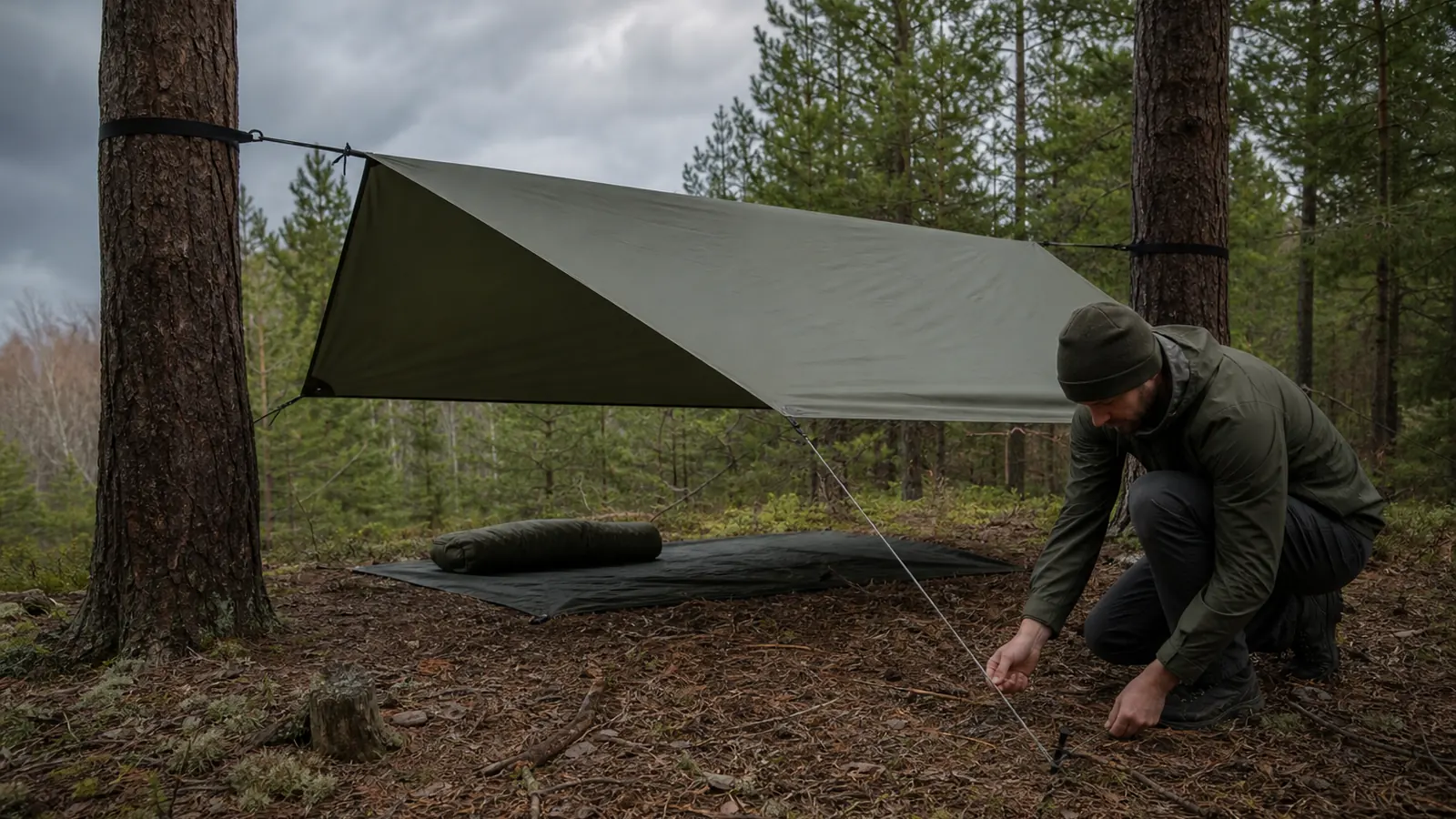
Read the site, choose the weather-facing shape, build the ridgeline, and tension opposing corners.
Read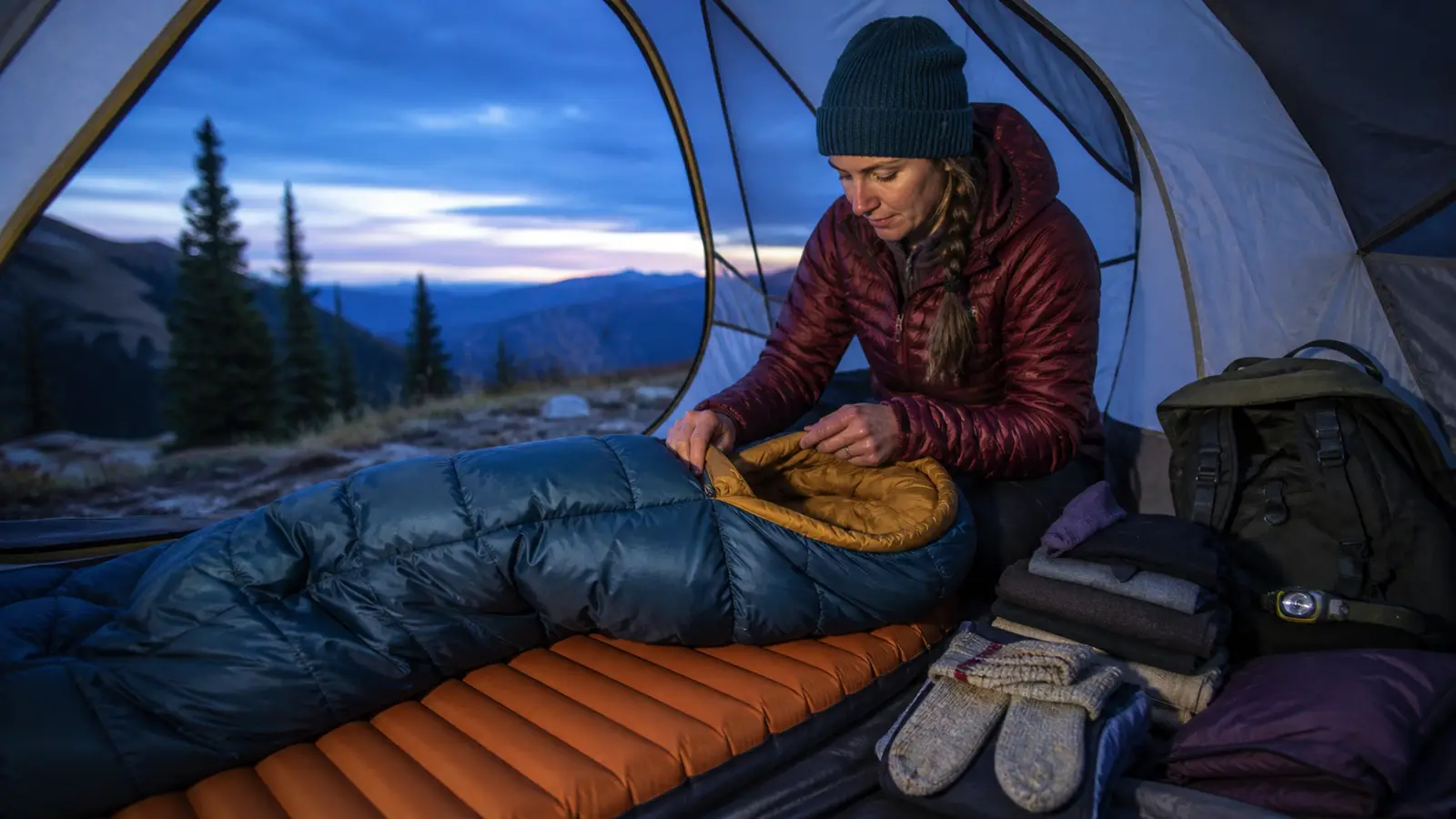
Diagnose ground loss, loft, moisture, fit, and body heat, then leave before the system loses its margin.
Read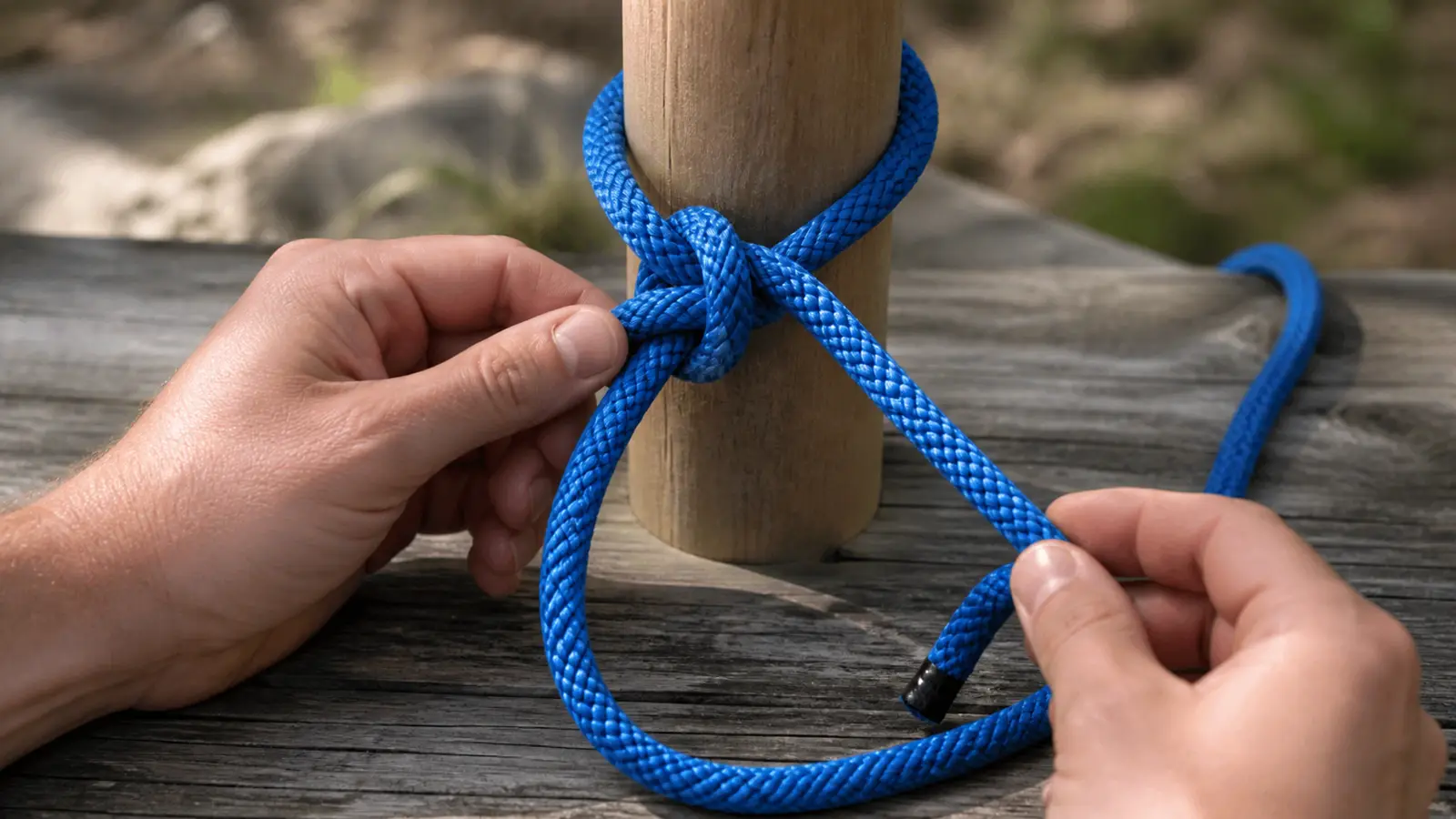
Form the fixed loop, dress the collar and tail, add the required backup, and trace the knot before loading.
Read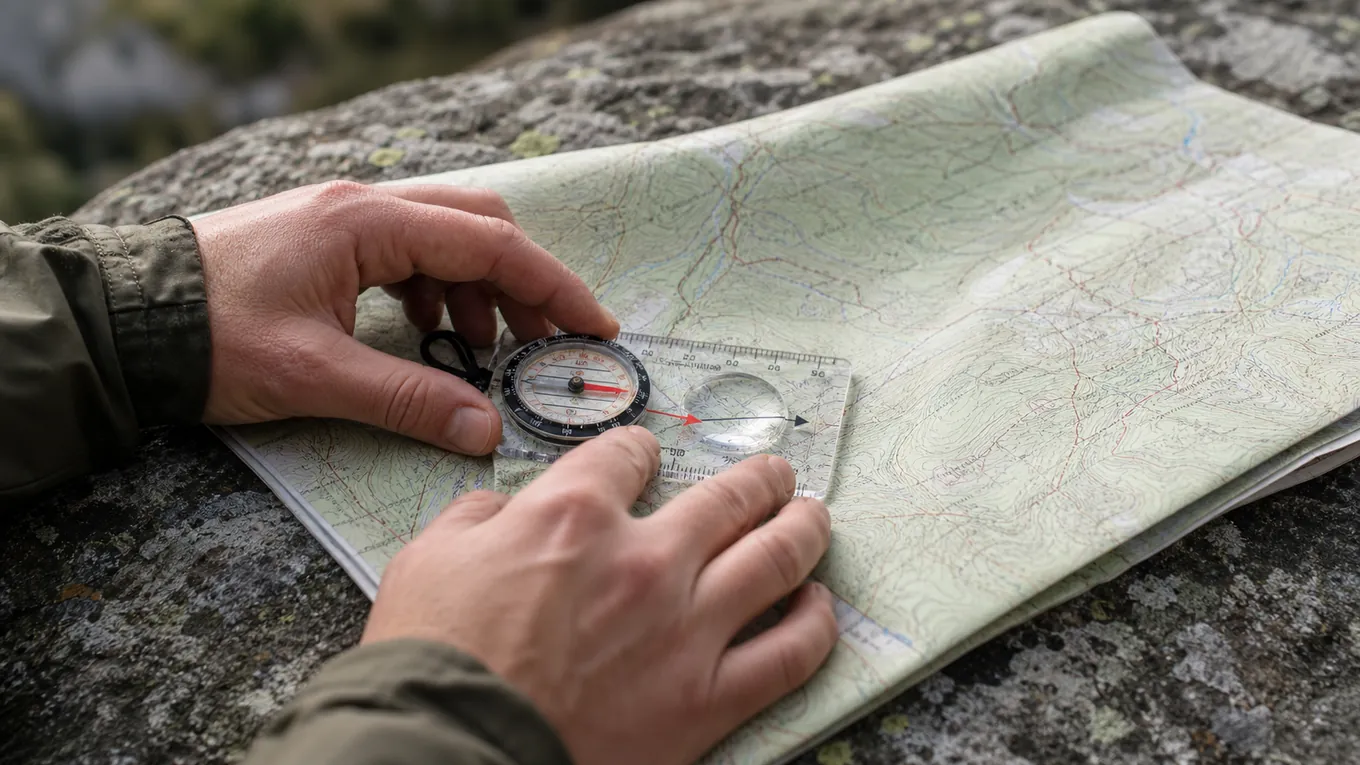
Take a bearing and follow it, even when the trail disappears.
Read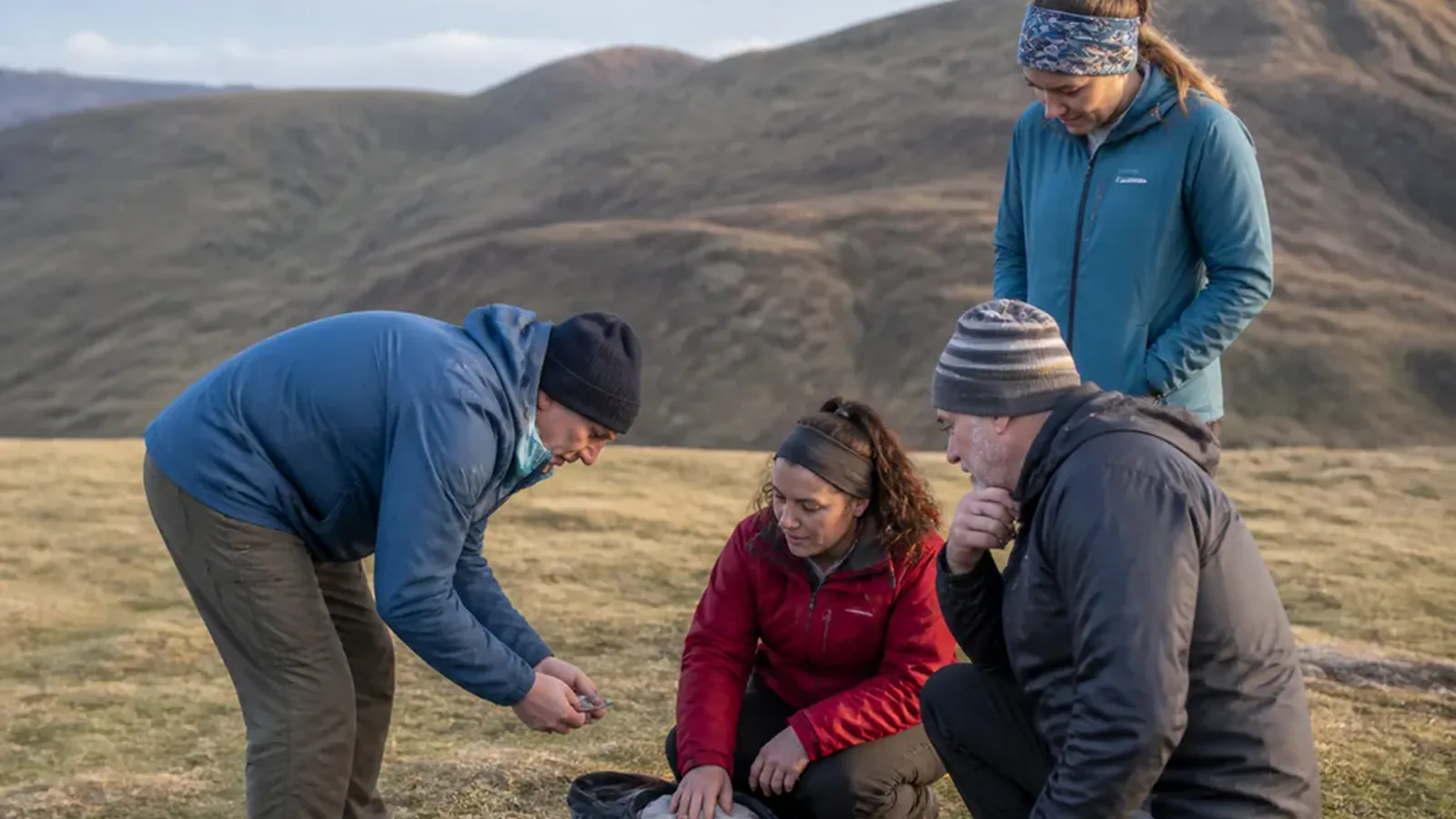
Not the treatment you can remember. The call you have to make.
Read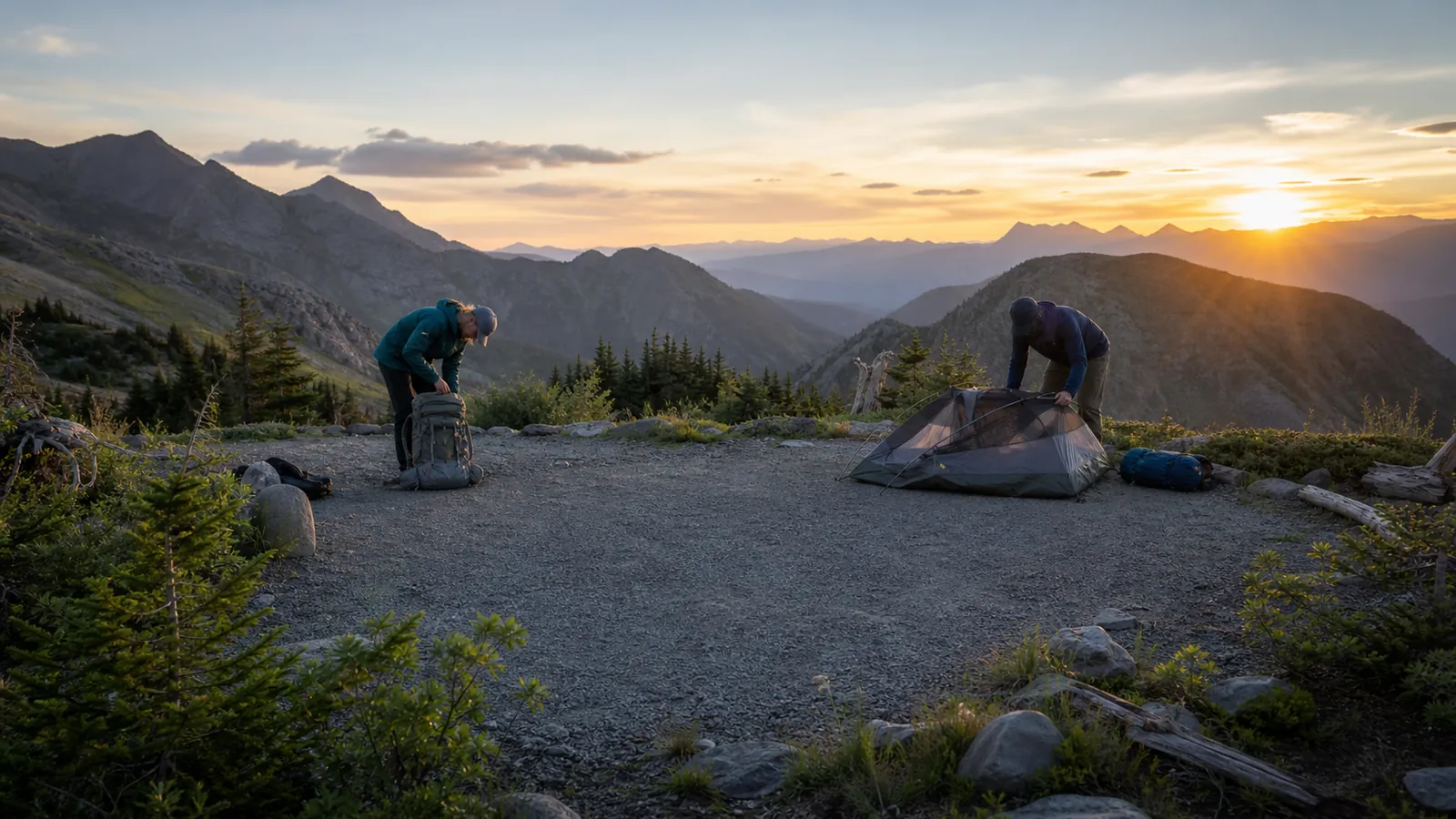
Seven principles become useful when each one changes a concrete choice before, during, or after a trip.
Read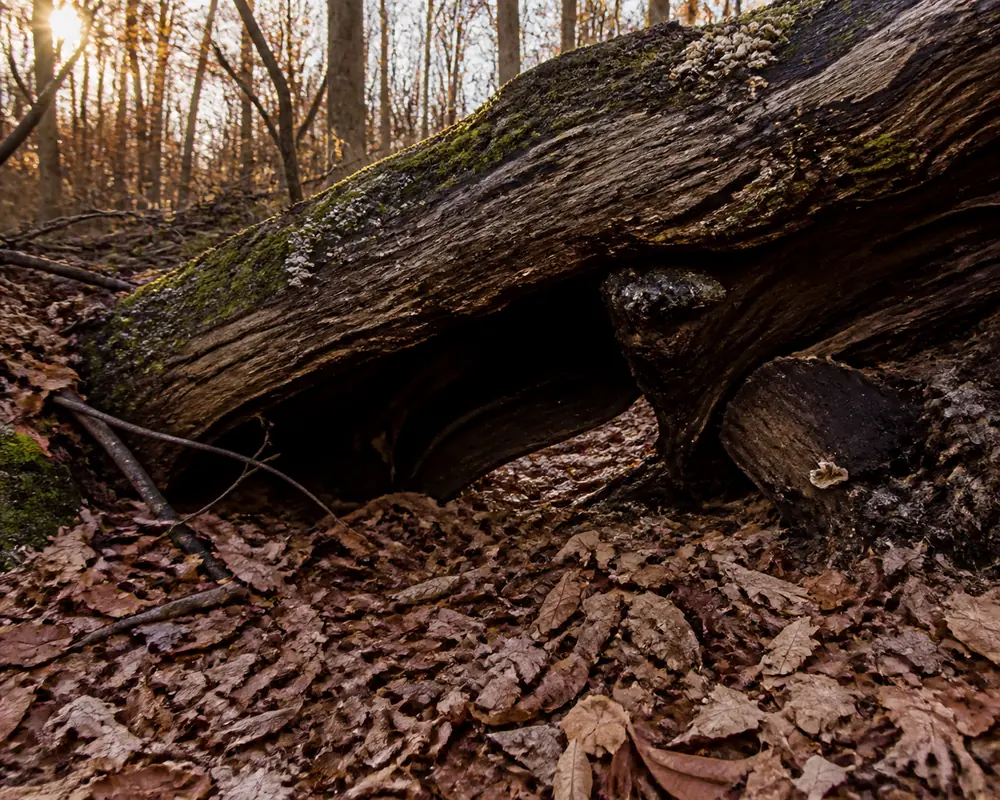
The ground is what takes the heat, and a few hundred grams often beats an hour of building.
ReadNo guides at this level yet.