
How Do You Cool Heatstroke Miles From a Hospital?
With a groundsheet, the water you are carrying, and a temperature to stop at.
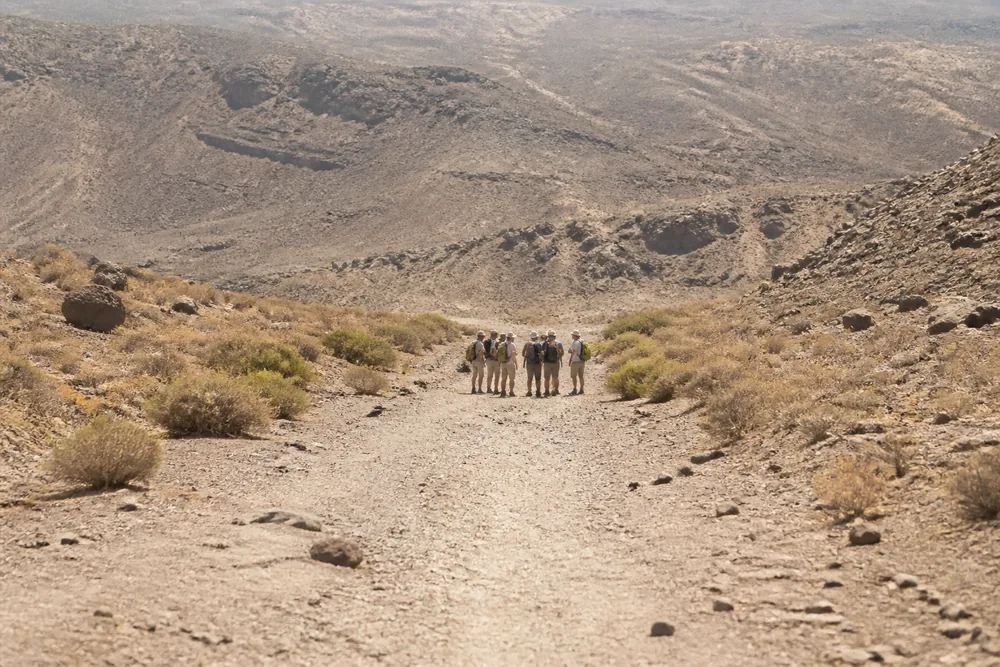
Heatstroke outcome tracks how long the body stays above its critical temperature, which is why the guidance says cool first and transport second. A party with a tarp and a few litres of water can cool faster than it can carry somebody to a road.
Somebody is confused, overheating and not improving. The instinct at that moment is to pick them up and start moving toward help.
Confusion is the line that puts you on this page. Somebody hot and wretched who still answers questions properly has heat exhaustion, which is a different problem with a different answer.
The consensus instruction says otherwise.
Cool first, transport second.
NAEMSP and NATA consensus on prehospital care of exertional heat stroke
Outcome tracks how long the body stays above its critical temperature, not how quickly the casualty reaches a road. Twenty minutes spent cooling on the spot is worth more than twenty minutes of carrying.
Cool them where they are, with whatever holds water
Send someone for help first, before the cooling starts. Once it begins it will occupy everybody present, and the call tends not to happen at all.
Then get the casualty out of the sun and strip the clothing off.
If there is a stream, a lake or a deep pool within reach, that is the answer and nothing improvised beats it. Get them in to the neck if somebody can hold them, and to the waist if not.
Most parties do not have that, which is where the improvised method comes in.
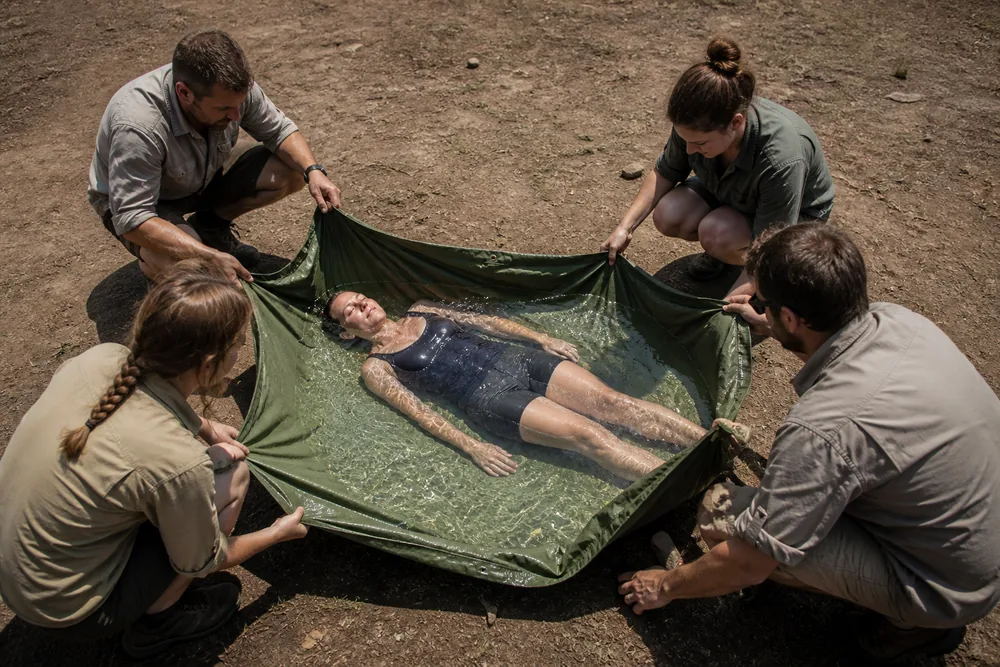
The improvised method worth knowing is a tarp. A groundsheet, a fly or an emergency blanket held up at the edges by three or four people makes a basin, and a basin turns your drinking water into something far more effective than pouring it over somebody.
This is not a compromise technique. Tarp-assisted cooling has been measured against passive cooling in the shade and the gap is not close.
- Send for help before you startCooling takes every pair of hands you have
- Get them out of the sun and strip the clothingRadiant heat keeps loading while you work, and fabric insulates against the cooling
- Make a basin from a tarp or groundsheetThree or four people holding the edges is enough, and most parties already carry one
- Put in whatever water you have and get them into itEven a shallow bath around the torso and limbs beats dousing
- Keep the water movingRock the tarp by bending your knees, because still water warms against the skin and the cooling stalls
- With no tarp, douse and fan without stoppingContinuous wetting plus airflow is the fallback, not an equal option
- Stop at around 102F, or 39CThere is an endpoint, and going past it pushes them into hypothermia
The numbers are worth carrying in your head. Tarp cooling brought core temperature down at roughly 0.17C per minute against 0.04C for lying in the shade, reaching the target in about ten minutes rather than forty-three.
That is the difference between a bad afternoon and organ damage.
Position matters as soon as they stop being fully alert. Lie them on their side rather than their back so the airway stays clear, and keep somebody at their head for the whole cooling.
Never leave an unresponsive casualty face-up in a water-filled tarp.
If the water is short, spend it on the neck, armpits and groin rather than spreading it evenly. Those are where large vessels run closest to the surface, and wetted skin with air moving over it keeps working after the pouring stops.
Shivering during hard cooling is expected and is not by itself a reason to stop.
Stopping is a decision too. Cooling is not run until they feel better, it is run to roughly 102F and then stopped, because a body that has just been cooled hard keeps dropping on its own.
Without a thermometer you are working blind, so err toward stopping once shivering starts and the confusion clears.
Which well-meant help makes it worse?
Somebody will open the first aid kit. That is the first thing to head off.
The reason matters more than the prohibition, because it tells you why this case is different. Fever drugs work by resetting a thermostat that has been pushed up by illness, and in heatstroke the thermostat is set correctly.
The body is simply losing the argument with the heat coming in.
So there is nothing for those drugs to act on, and both paracetamol and the anti-inflammatories place load on a liver and kidneys that heat has already damaged.
The second instinct is fluids. Somebody confused or drowsy should not be given anything to drink, because the swallow reflex is unreliable and the drink ends up in their lungs.
Wet the outside of them instead, which is what they need anyway.
The third instinct is the most expensive. Packing up to travel while they are still hot hands back the ground the cooling has already won, and it is the reason the guidance puts cooling ahead of transport in the first place.
Cool to the target, then move.
They go to hospital even if they walk away
An apparent recovery on the trail is not a recovery. Somebody cooled successfully can sit up, talk normally and want to carry on, while the damage done at temperature is still working through them.
Muscle breakdown is the one to know about. Heat damages muscle tissue, the products of that breakdown reach the kidneys over the following hours, and the problem can declare itself a day later.
That is why this ends in an assessment rather than a rest stop.
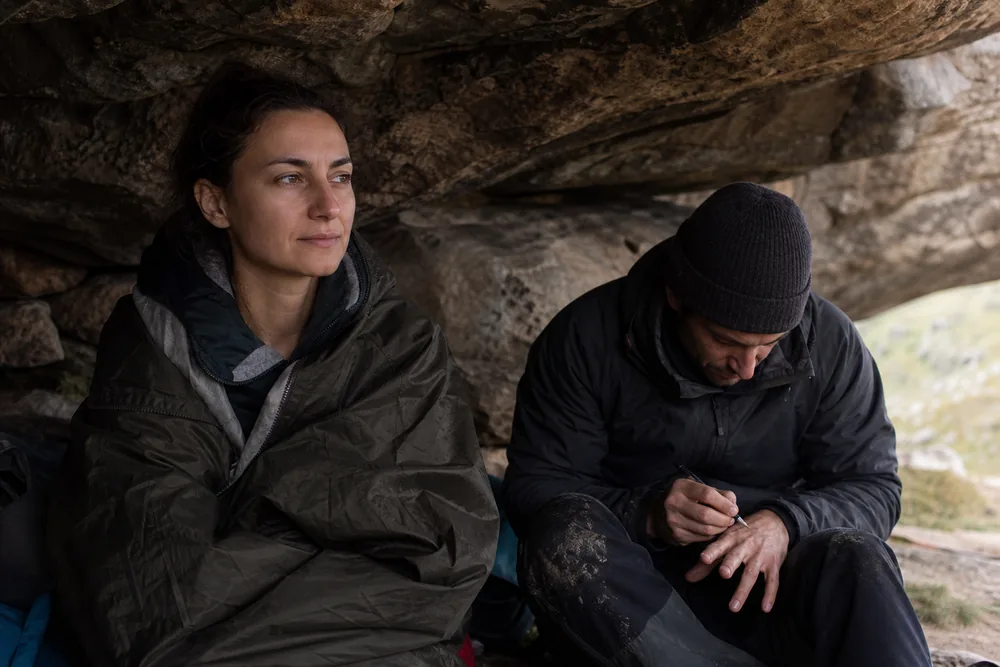
You also hold information nobody else can reconstruct. The party watched the whole thing and the clinicians did not, so write it down before the details blur.
- The time they collapsed or first became confused
- How long cooling ran and when it stopped
- Any temperature reading, and how it was taken
- What they had eaten and drunk that day
- Whether they were confused, and for how long
- Any medicine already given
The first line is the important one. Outcome follows time spent above the critical temperature more closely than it follows the highest reading, so the start of that clock is the single most useful thing you can hand over.
Write it on a hand if there is nothing else.
The trip is finished either way. Somebody who has had heatstroke has no heat tolerance left for the rest of the day and very little for the days after it, so the plan from here is an exit rather than a shortened version of the original route.
Sources
The cool first and transport second principle, the target of continuing until roughly 102F, and cold water immersion cooling rates come from the NAEMSP consensus statement on prehospital care of exertional heat stroke.
Tarp-assisted cooling, its measured rate against passive cooling, and its development for settings where immersion is not possible are described by the University at Buffalo tarp-assisted cooling research, part of which was funded by the Wilderness Medical Society, and in reporting on the University of Arkansas trial.
The position that antipyretics have no role in heatstroke, because the hypothalamic set point is normal, and that they may worsen liver and kidney injury, follows the Society of Critical Care Medicine guideline for the treatment of heat stroke and the WikEM heat stroke summary.
AnswersQuestions readers ask
Should you cool someone with heatstroke or carry them to help first?
Cool first, transport second. Outcome tracks how long the body stays above its critical temperature, so twenty minutes of cooling on the spot is worth more than twenty minutes of carrying a hot casualty toward a road.
How do you cool someone with no tub and no ice?
Use a stream or lake if one is within reach. Otherwise make a basin from a tarp or groundsheet held up by three or four people, fill it with your drinking water, get the casualty in, and keep the water rocking so it does not warm against the skin.
Does tarp cooling actually work?
Yes, and by a wide margin over lying in the shade. Tarp-assisted cooling has been measured at roughly 0.17C per minute against 0.04C for passive cooling, reaching the target in about ten minutes rather than forty-three.
When do you stop cooling?
At around 102F, or 39C. There is a real endpoint, because a body that has just been cooled hard keeps dropping on its own, and continuing past the target pushes the casualty into hypothermia.
Can you give paracetamol or ibuprofen for heatstroke?
No. Fever drugs reset a thermostat that illness has pushed up, and in heatstroke the thermostat is set correctly while the body loses the argument with incoming heat. They do nothing here and add load to a liver and kidneys heat has already damaged.
Do they still need hospital if they recover on the trail?
Yes. Heat damages muscle tissue, and the products of that breakdown reach the kidneys over the following hours, so the problem can declare itself a day later. Apparent recovery does not mean the internal injury has resolved.