
Poison Ivy: The Ten Minutes That Decide the Next Two Weeks
It is an oil, not a rash, and everything about the timing follows from that.
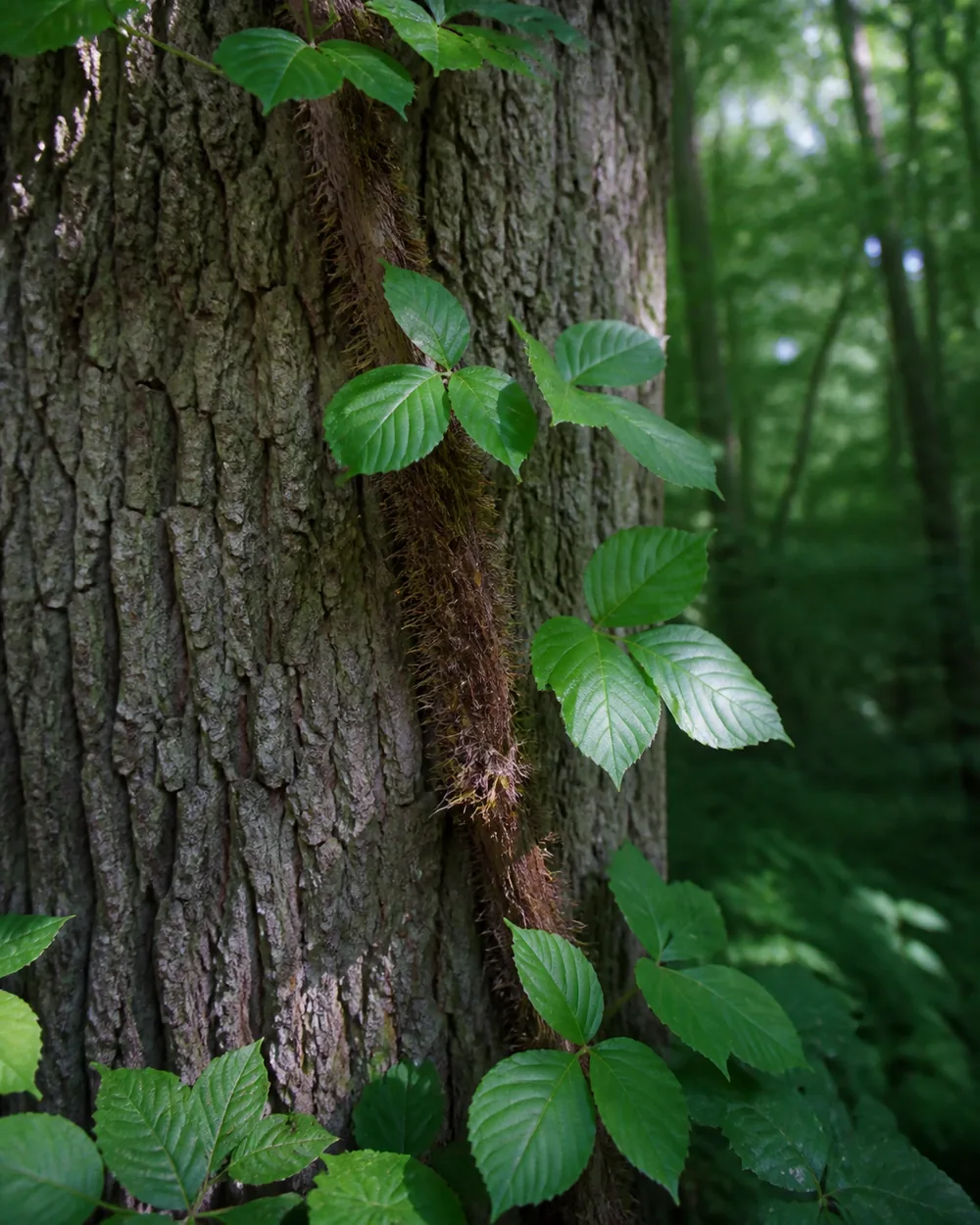
Urushiol starts binding to skin on contact and is fixed within a few hours, so the decisive wash happens long before the rash gives you any evidence you needed it. The reaction itself is delayed, which is also why it looks like it spreads when it does not.
The useful part of this page has a time limit, so it goes first. If you think you have just walked through poison ivy, the next ten minutes matter more than anything else here.
- Stop touching thingsYour hands are now the most contaminated part of you. Keep them off your face, your phone, your pack straps and anyone else.
- Wash the skin that touched the plantCool water and plenty of it, with dish soap, a dedicated poison plant wash, or rubbing alcohol. Rinse often so the wash does not dry on you and carry the oil somewhere new.
- Get under your fingernailsScrub them with a brush. Nails hold oil and then deliver it to your eyelids at two in the morning.
- Change out of what you were wearingHandle it by the least contaminated corner and bag it. It goes in the wash on its own, later.
- Do all of this even if nothing has happened yetNothing will have happened yet. That is the point.
Everything below explains why that sequence works, why it stops working, and what to do about the rash if you are already past it.
Why does the rash appear days after the exposure?
The thing on the plant is not a poison and it is not an irritant. It is an oil called urushiol, and the distinction runs through every timing on this page.
An oil sits on skin and then soaks into it. Urushiol starts penetrating on contact and is essentially fully bound within a few hours, and once bound, washing has nothing left to remove.
That is where roughly ten minutes comes from. It is not a magic number, it is the early part of a curve where soap can still take the oil away before your skin has taken it in.
Meanwhile your immune system is doing nothing visible at all.
The rash is a delayed hypersensitivity reaction, which means immune cells have to recognise the bound oil, mobilise, and arrive. That process takes somewhere between 12 and 72 hours, which is why the trail and the rash feel unconnected.
There is a further twist that catches people out. A first-ever exposure often produces no reaction whatsoever, because the immune system has to be sensitised before it can react at all.
So the person who tells you they are immune may simply not have been sensitised yet. Around four in five people are sensitive, sensitivity can appear later in life, and walking through it uneventfully for twenty years is not a guarantee about year twenty-one.
Put those two facts together and the awkward shape of this problem appears. The decisive action has to happen inside ten minutes, and the evidence that you needed it arrives two days after the window shut.
The rash does not spread and the blister fluid is harmless
You cannot give it to anyone, and you cannot move it around your own body by scratching.
The myth survives because the rash genuinely does appear to travel, and there is a real reason for that.
Different parts of you received different amounts of oil. The forearm that shoved a branch aside got a heavy dose and erupts at 24 hours, the wrist that brushed the same branch got a fraction of it and takes until day four.
From the inside that looks exactly like spreading. It is the same single exposure, resolving on different schedules.
Scratching does not move it either, though it is still worth stopping. Broken skin gets infected, and an infected scratch is a genuinely worse problem than the itch that caused it.
The one thing that does produce new patches is contamination you have not dealt with yet. If new areas keep appearing a week later, the question is not what your rash is doing but what in your house is still covered in oil.
Which plant, and where you meet it
Leaves of three is a good start and it is not enough on its own.
The rhyme gets you poison ivy and poison oak and then fails completely on poison sumac, which carries seven to thirteen leaflets and looks nothing like the picture in your head.
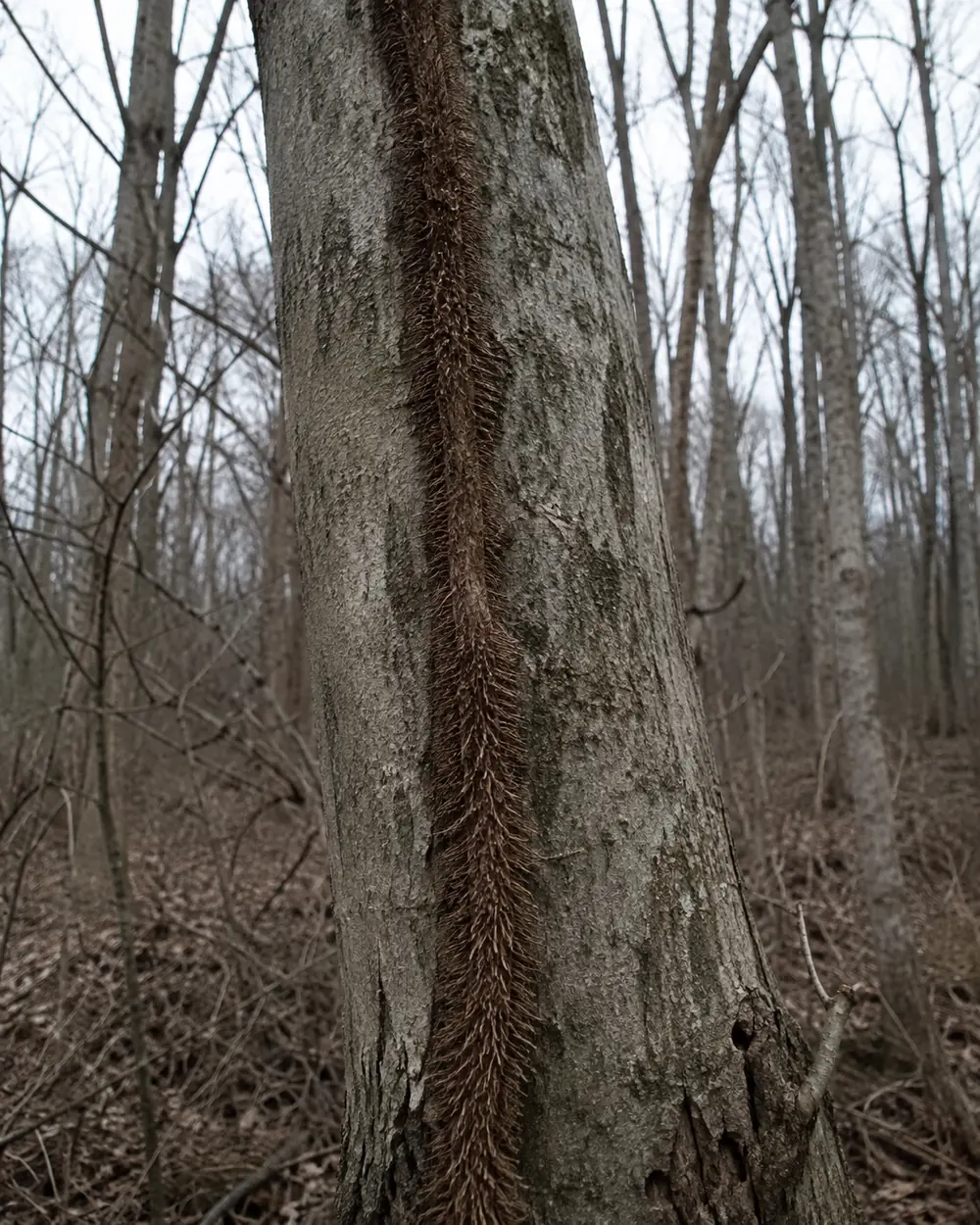
For poison ivy the more reliable tell is the vine. Climbing stems carry dense aerial rootlets that give the whole thing a fuzzy, hairy-rope look against the trunk, and no harmless lookalike does that.
| Poison ivy | Poison oak | Poison sumac | |
|---|---|---|---|
| Leaflets | Three, middle one on a longer stalk | Usually three, sometimes up to seven | Seven to thirteen, smooth edged |
| Growth form | Ground cover, low shrub, or hairy climbing vine | Shrub, sometimes a vine in the west | Small tree or tall shrub |
| Where in the US | Every state except Alaska and Hawaii, scarcer on the West Coast | Mostly western, some eastern | Eastern and south-eastern |
| Ground it likes | Trail edges, fencelines, disturbed ground | Woodland and scrub margins | Wet, boggy, forested ground |
The habitat row is the one that changes how you walk.
All three like edges. That means trailheads, road crossings, the strip where woodland gives way to grass, and the overgrown margin you step into when a puddle takes up the middle of the path.
Season changes the appearance more than people expect. Spring growth is often red-tinged and glossy, summer is plain green, autumn turns red and orange, and a leafless winter vine on a trunk is still fully loaded with oil.
That last one catches woodcutters and campers gathering firewood. A bare hairy vine is not a dead one.
How does it reach you when you never touched a plant?
Urushiol stays active on the surface of an object for up to five years.
That figure reframes the whole problem. This is not a rash you get from a plant, it is a rash you get from anything the plant has touched, at any point in the last several seasons.
The usual carriers are the things you handle without thinking. Boot uppers and laces, trouser hems, gaiters, pack straps, trekking pole grips, the tailgate you sat on to change your shoes.
Dogs are the classic case, because they do not react to it at all. Yours runs happily through a patch, comes back for a fuss, and the rash appears on the arms and face of whoever gave it one.
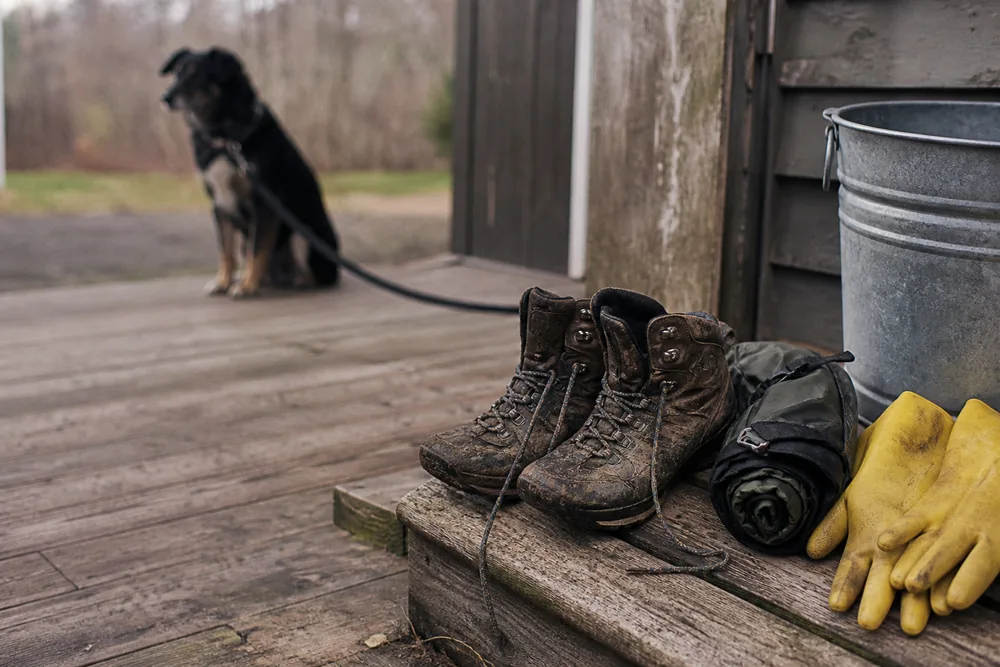
The cleaning itself is dull and it is most of the job. Each carrier needs a slightly different method, and skipping one of them is how a rash comes back a fortnight later with no new walk to blame.
- Wash exposed clothing separately in hot water with detergent, never with the rest of the load
- Deal with boots, laces, gaiters and pack straps rather than leaving them by the door
- Clean trekking poles and tools with rubbing alcohol, or soap and plenty of water
- Wash the dog with gloves on, because it carries the oil and does not react to it
- Never burn it, whatever else you do
That last item is a different order of problem from everything above it.
Burning poison ivy, oak or sumac puts urushiol into the smoke, and inhaling it can cause severe irritation to the airway and lungs. A rash on your forearm is unpleasant, and the same reaction on the inside of your airway is not something to manage at a campsite.
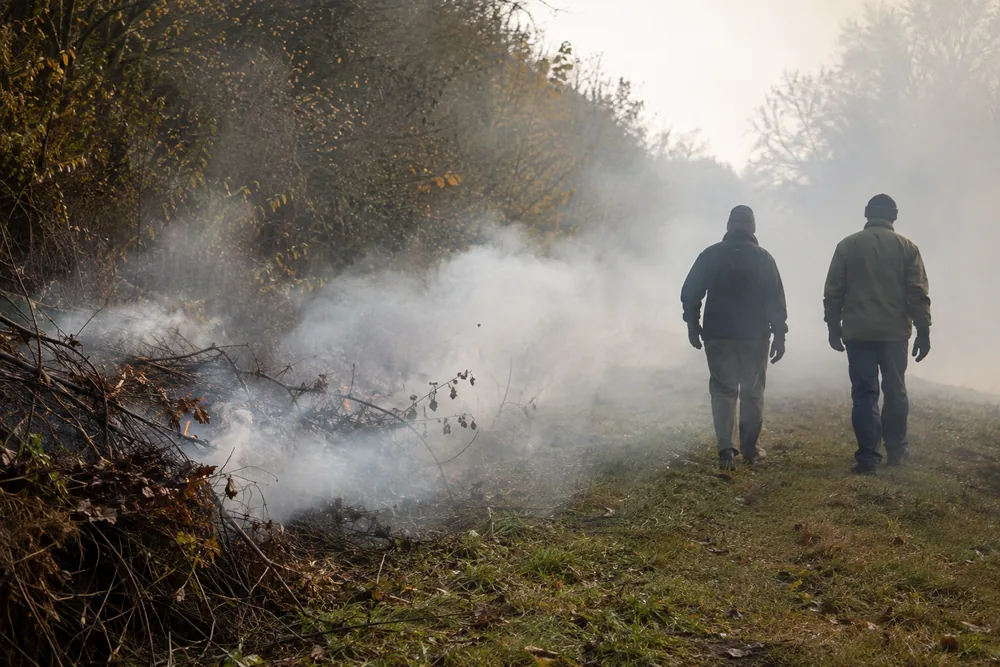
Watch for it in brush piles and clearance burns rather than only in your own fire. You do not have to be the person who lit it.
When it needs more than calamine
An ordinary reaction runs one to three weeks and is genuinely miserable for about half of that.
The standard management is cool compresses, calamine lotion, oral antihistamines and an over-the-counter hydrocortisone cream, which take the edge off without shortening the course much. Keeping cool helps more than most people expect, because heat makes the itch considerably worse.
Four situations sit outside that.
Face, eyelids, mouth or genitals
Swelling in these places causes problems that have nothing to do with itch, and eyelid involvement in particular is worth having looked at rather than waited out.
A large area or severe blistering
Beyond what over-the-counter treatment manages, and the commonest genuine reason people end up being prescribed something.
Breathing trouble after smoke
Not a skin problem at all. Any difficulty breathing after being near burning vegetation is an emergency and needs help immediately.
Pain, warmth or pus after several days
Increasing pain and spreading redness days in points at infection from scratching rather than at the original reaction, and the timing is what tells them apart.
Severe itch on its own is not on that list, however wretched it is.
A fortnight of broken sleep is the normal course of this rather than a complication, and it resolves. What changes the decision is where the rash is, how much of you it covers, whether your airway is involved, and whether the picture is getting worse in the second week rather than better.
Sources
The identification features for poison ivy, oak and sumac, including the leaflet counts, growth forms and regional ranges, and the warning against burning any of them, come from: Alabama Cooperative Extension System, poison ivy, poison oak and poison sumac.
The decontamination methods, including rubbing alcohol and dishwashing soap with plenty of water, scrubbing under the nails, washing exposed clothing separately in hot water, cleaning tools, and the finding that urushiol can remain active on objects for up to five years, come from: CDC NIOSH, protecting yourself from poisonous plants.
The urushiol binding time, the wash window, the delayed hypersensitivity mechanism and the point that the rash is not contagious and blister fluid does not contain urushiol come from: Oklahoma State University Extension, responding to poison ivy.
The rash course, the over-the-counter management and the situations that warrant medical assessment come from: Johns Hopkins Medicine, poison ivy, oak and sumac rash.
AnswersQuestions readers ask
How long do you have to wash off poison ivy?
Roughly ten minutes gives the best chance. Urushiol starts penetrating skin on contact and is essentially fully bound within a few hours, after which washing removes very little. Use cool water with dish soap, a poison plant wash or rubbing alcohol, and scrub under your nails.
Is a poison ivy rash contagious?
No. The rash cannot be passed to another person and blister fluid contains no urushiol. New patches appearing days later are areas that received a smaller dose and reacted more slowly, not the rash spreading.
Why did the rash take two days to appear?
It is a delayed hypersensitivity reaction, so immune cells have to recognise the bound oil and mobilise. That takes 12 to 72 hours, which is why the walk and the rash feel unconnected.
How do you identify poison ivy?
Three leaflets with the middle one on a longer stalk, slightly glossy, with irregularly notched edges. On climbing vines the giveaway is dense aerial rootlets that give the stem a hairy, rope-like look against the trunk.
Can you get poison ivy from your dog or your boots?
Yes. Urushiol can stay active on the surface of an object for up to five years, and dogs carry it in their coats without reacting. Wash exposed clothing separately in hot water, clean tools with rubbing alcohol, and wash the dog with gloves on.
When does poison ivy need a doctor?
When it involves the face, eyelids, mouth or genitals, when it covers a large area or blisters severely, when infection appears after several days, and immediately if there is any breathing difficulty after being near burning vegetation.