
Cold Water Immersion: How Long You Have, and What Kills First
Preparing for hypothermia prepares you for the phase least likely to kill you.
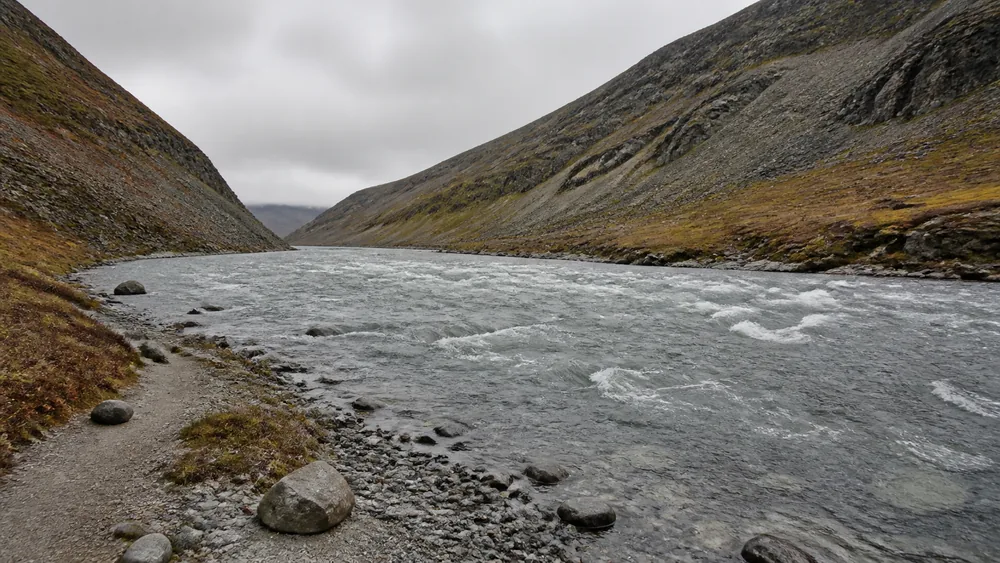
Cold water attacks in a fixed order: breathing, then hands, then core temperature. Most people arrive expecting a slow cold problem and meet a fast breathing one, which is why they make the decision that drowns them in the first fifteen seconds.
If you have read one thing about cold water, it is probably this.
One minute to get your breathing under control, ten minutes of meaningful movement, one hour before you lose consciousness.
The 1-10-1 principle, popularised by Dr Gordon Giesbrecht
The order in that sentence is worth memorising. The numbers are worth arguing about, and this page does both.
What matters most is the thing the order tells you. Cold water attacks your breathing first, your hands second, and your core temperature last, which means an article about hypothermia is the wrong preparation for falling in.
The first minute is the one that drowns people
Hit cold water and your body takes a huge involuntary breath. You do not decide to do it and you cannot stop it, and if your head happens to be under the surface at that moment you inhale water instead of air.
That reflex is the reason cold water drowns strong swimmers.
What follows is hyperventilation running several hundred percent above normal breathing. You are gulping air, unable to hold your breath for more than a second or two, and any wave over your face at that point goes straight in.
None of this is hypothermia. Your core is still warm and will stay warm for a long time yet.
The response is almost the opposite of what panic suggests, because for the first minute your only job is to keep your airway clear and let the reflex burn itself out.
- Get your face clearEverything else waits. The gasp happens whether or not your mouth is above water.
- Do not start swimmingCoordinated effort now costs breath control you do not have to spare.
- Grab whatever is thereA branch, a rock, a pack, anything that means you are not treading water while you cannot breathe properly.
- Ride it outThe reflex settles by itself in around a minute if your airway stays clear.
- Then look up and decideThe swim-or-stay choice belongs after your breathing comes back, not during the gasp.
That last point matters more than it reads. People make the decision that kills them in the first fifteen seconds, while they physically cannot think clearly, and the decision is almost always to swim.
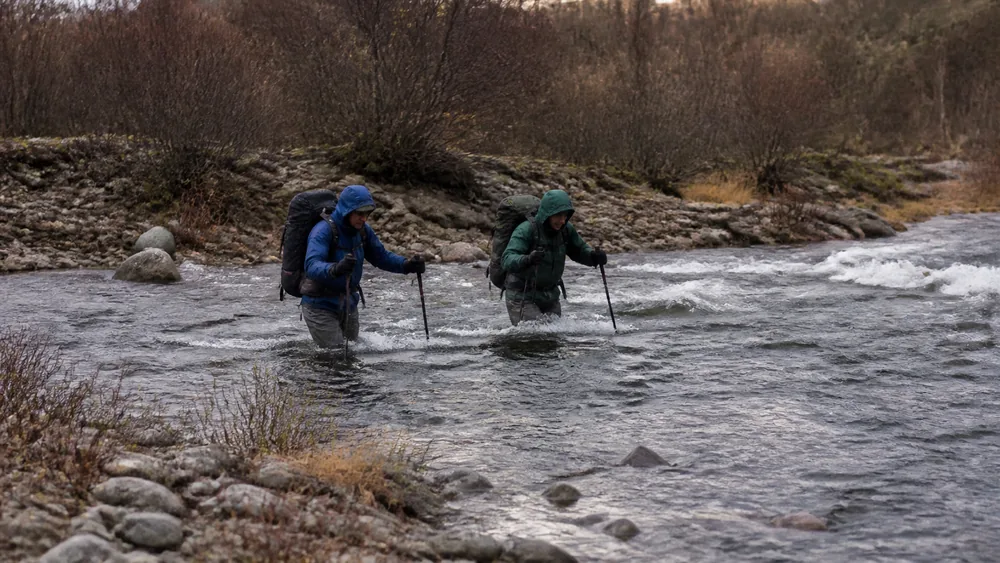
Why do your hands stop working before you get cold?
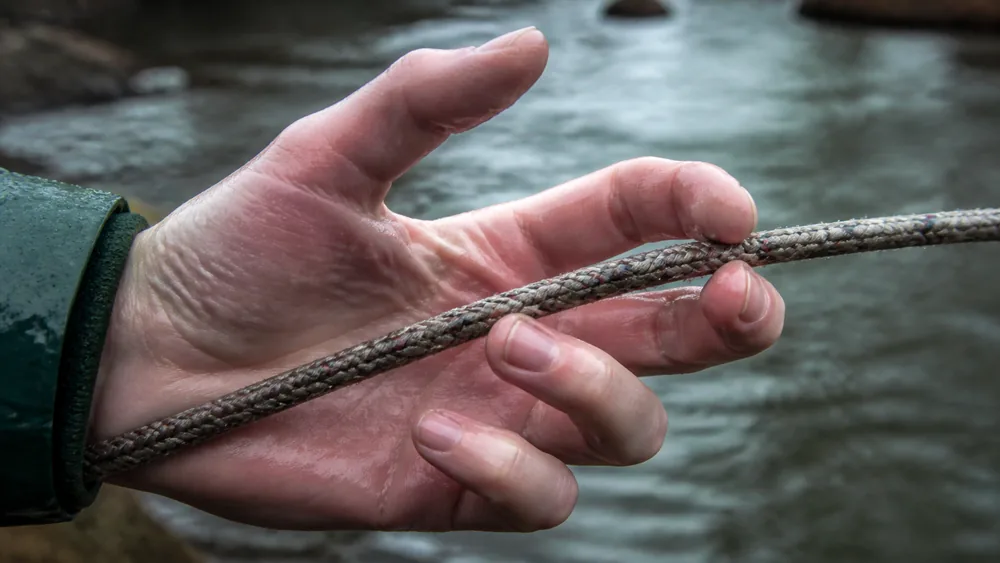
Because your hands are thin, exposed, and a long way from the middle of you. They cool at a completely different rate from your core, and the nerves and muscles in them stop working properly while your body temperature is still close to normal.
This is a separate problem from hypothermia and it arrives much sooner.
The experience is specific and unnerving. Your grip goes first, then fine control, then the ability to make your arms do what you tell them, and none of it feels like being tired.
Cold shock
Breathing fails first. This is the phase that drowns people, and it resolves in about a minute if you keep your airway clear.
Incapacitation
Hands and arms fail next, while your core is still near normal. This is the phase where self-rescue becomes impossible.
Hypothermia
Your core cools last, over a much longer period. This is the phase most people prepare for, and the one least likely to be the cause of death.
Understand those as three separate problems and everything else on the page follows. You survive the first, you spend the second, and you try never to reach the third.
Spend the second phase on one thing only.
Whatever action is most likely to get you out of the water, do it now rather than in five minutes, because your capacity to do it is draining while you think about it.
Hypothermia is the last thing that happens
In most immersion situations, hypothermia takes at least half an hour to develop meaningfully. By then the other two phases have already resolved themselves, one way or the other.
That single ordering fact is the most useful thing on this page.
It means the mental model people arrive with is not just incomplete but backwards. They have prepared for a slow problem and they meet a fast one, and the preparation they made was for the phase they are least likely to reach.
Water does pull heat out far faster than air at the same temperature, which is why land intuition misleads so badly here.
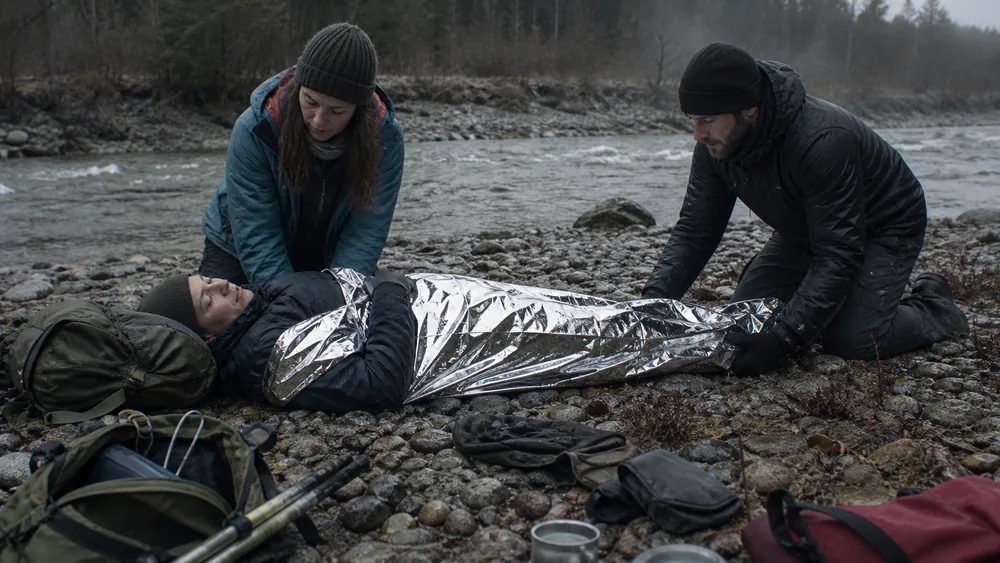
None of that makes hypothermia unimportant. It makes it the thing that matters once you are out, which is a different problem with its own answers.
The numbers are a memory aid, not a timer
The one, ten, one formulation spread because it is memorable, and because it came out of a demonstration programme that put volunteers into cold water and filmed what happened.
It has also been criticised sharply, and the criticism is fair.
Cold water safety organisations have argued in public that the specific timings do not rest on immersion science, and that repeating them as though they were reliable is itself a hazard. Water temperature, body size, what you are wearing, and whether the water is moving all shift the figures enormously.
The distinction worth holding is between the sequence and the schedule.
So use it as a reminder of what happens in what order. The order is the durable part, and every one of the numbers should be treated as shorter than advertised.
What do you do while you are still in the water?
The swim-or-stay decision is the one people get wrong, and they get it wrong in a predictable direction. Distance judgement degrades along with coordination, so the shore looks reachable at exactly the point your ability to reach it is disappearing.
Only swim for something you are genuinely confident of reaching.
If you are not confident, the calculation flips completely. Staying put, conserving heat, and being visible beats a failed swim, because a failed swim leaves you further from anything with nothing left in your arms.
Do not take your clothes off.
That instinct is common and wrong, because the water trapped in your clothing warms up and then slows further heat loss. Stripping down wastes the working window and speeds up cooling at the same time.
- Swim only for a shore you are genuinely confident of reaching.
- Keep your clothes on, including boots if they are not dragging you under.
- Get any part of yourself out of the water, onto a log, a rock, or an ice edge.
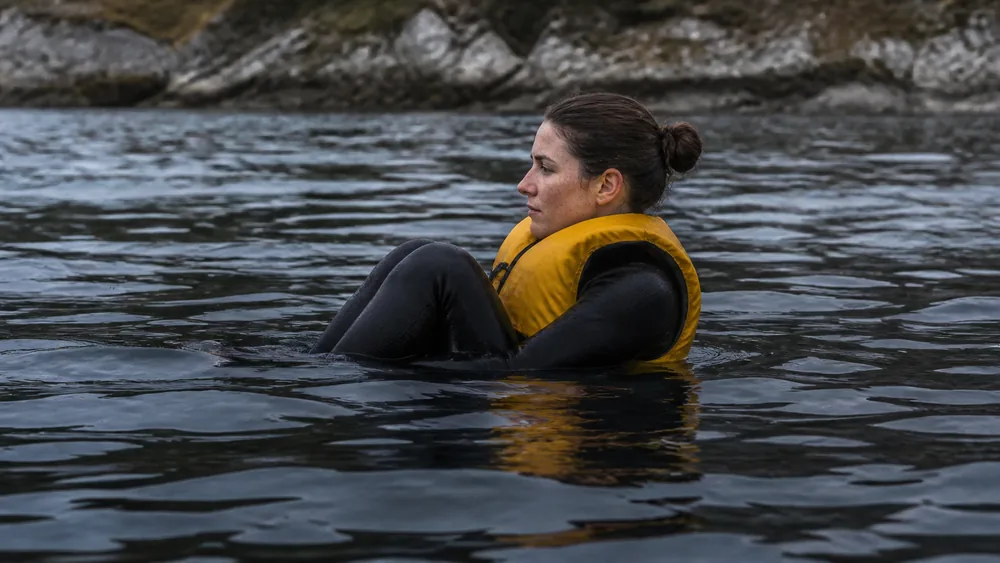
- If you are staying, draw your knees up and press your arms against your sides.
- In a group, huddle together rather than spreading out.
- Keep something bright above the surface so somebody can find you.
The float position is worth understanding rather than memorising. You are protecting the sides of your chest, your armpits, and your groin, which are where heat leaves fastest, so knees up and arms in is the shape that follows from that.
A group has an advantage worth using.
Huddling conserves heat for everyone and turns several small targets into one larger one, which matters more than people expect when somebody is scanning a river or a lake from a distance.
Getting out is not the end of it
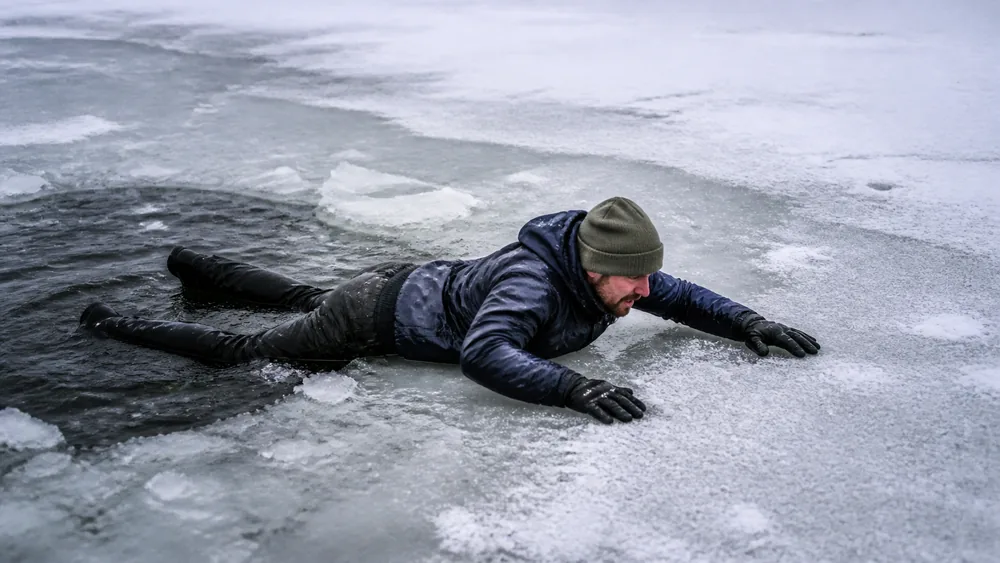
Ice has a specific technique and it is not the one instinct offers. Do not try to climb out vertically, because the edge is weak and you will break it away and exhaust yourself.
Kick your legs up level behind you and pull yourself forward onto the surface instead.
Once your body is on the ice, roll away from the hole rather than standing up. Rolling spreads your weight over a wider area, and standing concentrates it exactly where the ice has already proved it cannot hold you.
Go back the way you came, since that route has already demonstrated it will take your weight.
| Where you are getting out | The move that works | What goes wrong otherwise |
|---|---|---|
| Through lake or river ice | Kick legs level, pull forward, then roll away | Climbing out vertically breaks the weak edge and burns your remaining strength |
| Steep or undercut river bank | Work downstream to a shallow, angled exit | People fight to climb out where they fell in, which is usually the worst spot |
| Being pulled out by companions | Keep the casualty horizontal | Lifting someone upright after a long immersion can drop their blood pressure sharply |
| No exit within reach | Huddle, conserve, stay visible | Repeated failed attempts spend the working window and leave nothing for a real chance |
That third row surprises most people. After a long immersion the water pressure that was supporting circulation disappears the moment somebody is lifted clear, and a vertical lift can produce a collapse during or just after the rescue.
Keep them horizontal coming out and horizontal afterwards.
From that point the problem changes hands entirely. The casualty is now a wet, cold person on land, and what happens over the next hour belongs to a different set of decisions about rewarming and getting them somewhere warm.
Sources
The 1-10-1 formulation, including the phases it describes and the demonstration programme it came from, is set out at: Cold Water Boot Camp.
The case that the specific timings are not supported by immersion science, and that treating them as reliable is itself dangerous, is made by: The 1-10-1 Myth, National Center for Cold Water Safety.
The description of the cold shock response, including the involuntary gasp and hyperventilation several times above normal breathing, draws on coverage of Giesbrecht's immersion research: Professor Popsicle's Physiological Proof, McGill Office for Science and Society.
AnswersQuestions readers ask
What kills you first in cold water?
The cold shock response, not hypothermia. Entry triggers an involuntary gasp and hyperventilation several times above normal, and inhaling water during that gasp is what drowns strong swimmers.
How long before hypothermia sets in?
Usually at least half an hour, which makes it the last of the three threats rather than the first. Breathing fails within seconds and hand function within minutes.
Is the 1-10-1 rule reliable?
Its sequence is sound and its timings are disputed. Cold water safety bodies argue the specific figures do not rest on immersion science, so use it for the order of threats and treat every number as shorter than advertised.
Should you take your clothes off in cold water?
No. Water trapped in clothing warms and slows further heat loss, and undressing spends the short window in which your arms still work.
Should you swim for shore or stay put?
Only swim for a shore you are genuinely confident of reaching. Distance judgement fails alongside coordination, so the shore looks closest at the point you are least able to reach it.
How do you get out after falling through ice?
Do not climb out vertically. Kick your legs level behind you, pull forward onto the surface, then roll away from the hole rather than standing, and return the way you came.