
Which Amicalola Falls Hike Should You Choose?
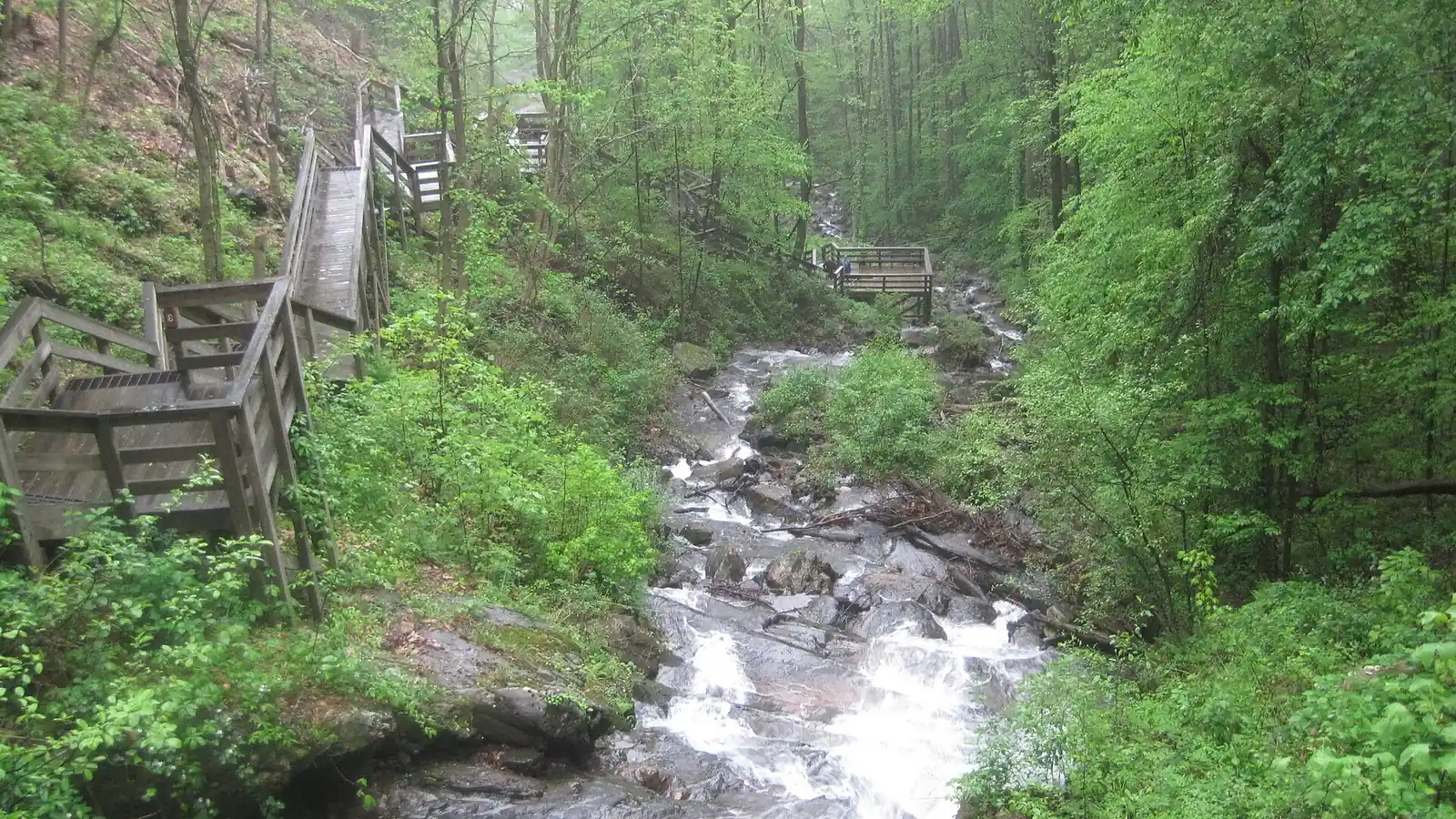
Choose an Amicalola Falls hike by viewpoint level, stairs, Approach Trail distance, parking, season, lodging, children, dogs, and return plan.
Weather
Waterfall spray, summer humidity, thunderstorms, wet autumn leaves, and winter ice change the same short climb.
Plan the practical details
- Access
- Park roads and several parking levels serve the visitor center, lower falls, middle views, upper falls, lodge, campground, and longer trailheads.
- Permits
- A current parking fee or pass applies to vehicles, while campsites, lodge rooms, cabins, and Len Foote Hike Inn use separate reservations.
Amicalola Falls State Park can be a short waterfall stop, a stair-heavy loop, a night at a hike-in lodge, or the first miles of an Appalachian Trail approach.
Those trips begin in the same park but demand very different time, clothing, parking, and return plans.
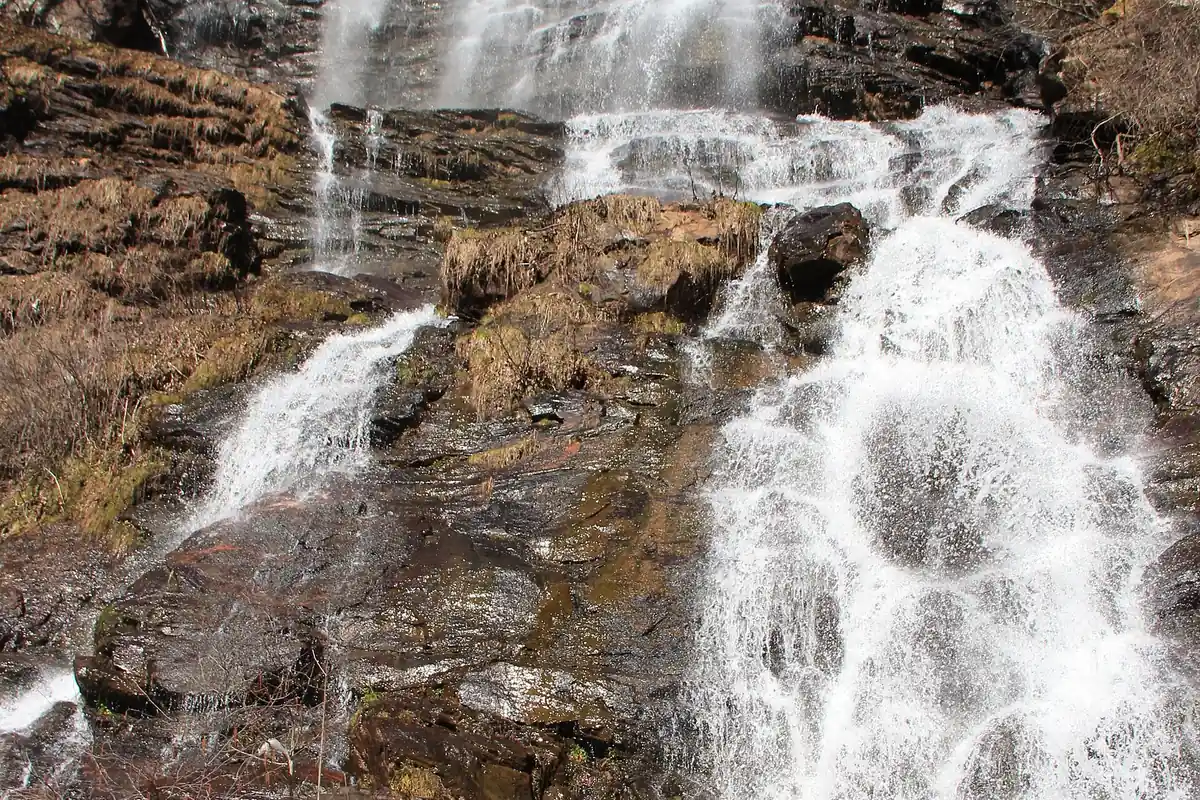
The central planning choice is how much of the 730-foot cascade and surrounding ridge you want to earn on foot. Choose walking level first.
You can reach viewpoints from several elevations, so a visitor who needs a short accessible experience and a backpacker heading to Springer should not follow the same default itinerary.
Which Amicalola Falls trail should you choose?
The falls loop provides the most complete waterfall hike.
It connects the lower park, reflection-pool area, stairs, and upper viewpoints, with a steep effort that feels much larger than its mileage.
Visitors who want a shorter walk can use parking nearer the base, middle, or top and follow the relevant paved or hard-surface segment. The current park map is more useful than a generic loop description because construction and directional controls can change how the stairs connect.
The Hike Inn Trail leaves from the upper park and reaches Len Foote Hike Inn by a separate forest route.
The Appalachian Approach Trail begins at the visitor-center arch and continues beyond the falls toward Springer Mountain, where the Appalachian Trail itself starts.
| Reader goal | Route choice | Main demand |
|---|---|---|
| See the falls with minimal walking | Nearest open viewpoint and hard-surface path | Parking availability and grade |
| Walk beside the cascade | Main falls loop and stairs | Sustained climbing, crowd flow, and wet steps |
| Quiet half-day forest hike | Park loop away from the main cascade | Map reading and return junctions |
| Stay at Hike Inn | Reserved lodge stay via the Hike Inn Trail | Pack weight, weather, and fixed check-in plan |
| Reach Springer Mountain | Appalachian Approach Trail | Full-day mileage or overnight logistics |
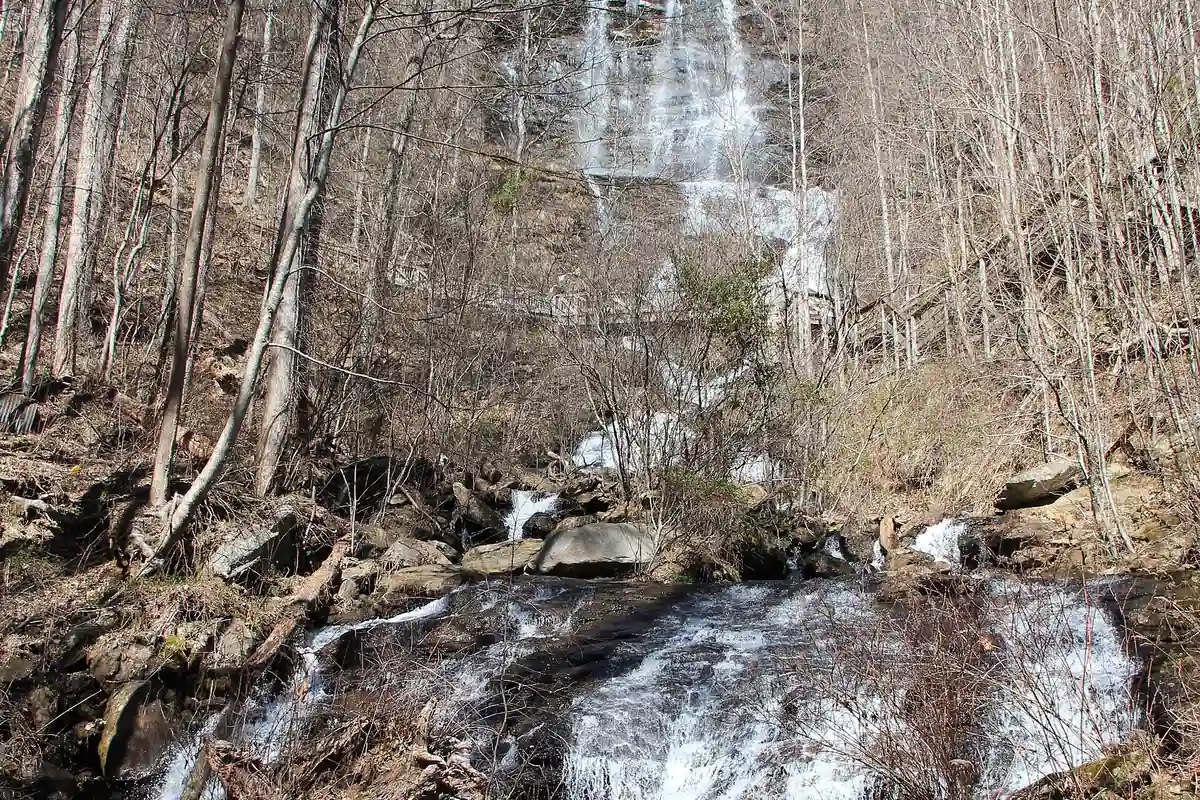
The arch starts the approach, not a short path to every viewpoint.
Decide where the vehicle will be after the walk. A route that starts at the visitor center and ends near an upper viewpoint needs a return to the original parking level, so the driver plan belongs beside the trail choice.
How hard is the hike to the top of Amicalola Falls?
The climb is strenuous because the elevation arrives through stairs and steep connecting paths.
Repeated steps can raise heart rate quickly and place more load on knees during the descent than a smooth graded trail of the same distance.
You should start slowly, use handrails without blocking traffic, and let faster groups pass at landings. In rain or frost, wet metal, stone, and fallen leaves can make the descent the most technical part of the visit.
- Check which stair segments and viewpoints are open
- Begin at a pace that can be sustained for the full climb
- Pause on a landing without blocking uphill or downhill traffic
- Keep children close near railings and crowded overlooks
- Descend with short controlled steps and use the handrail
- Switch to a shorter viewpoint plan when weather or fatigue removes the margin
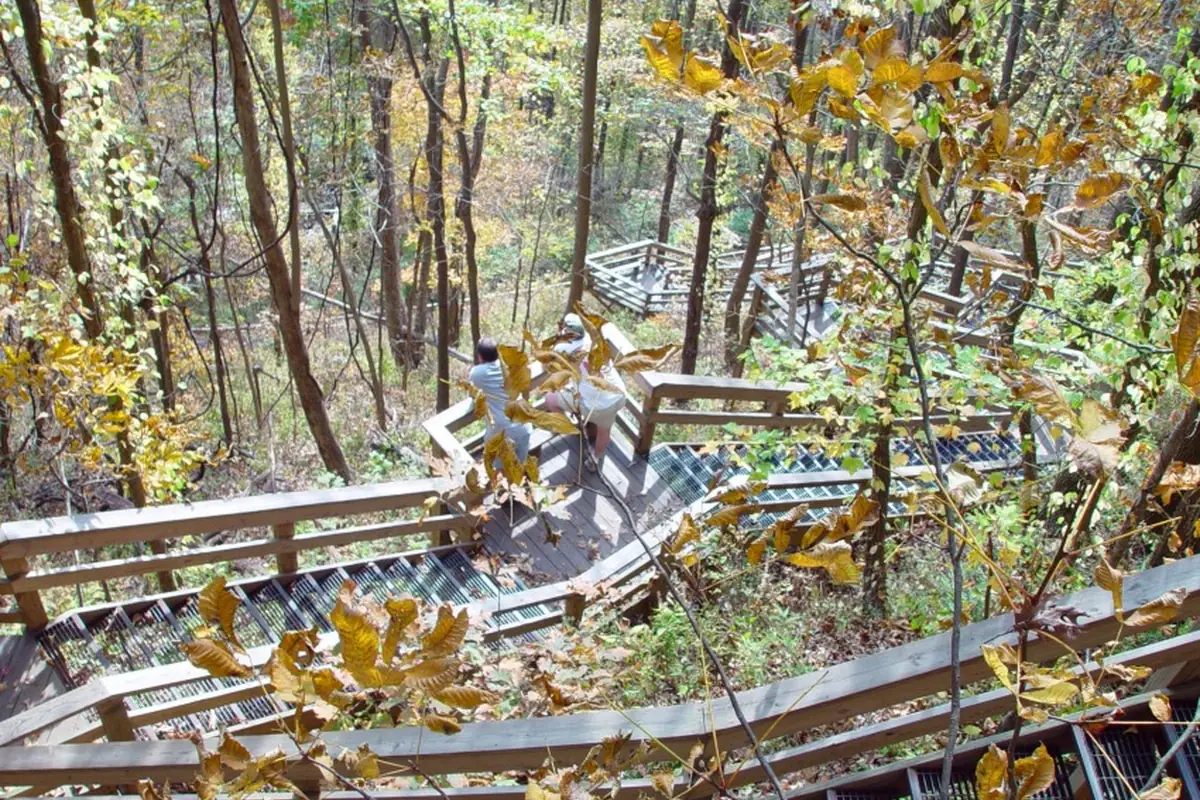
You do not need every stair. A lower viewpoint and creek walk can be the correct choice for heat, limited mobility, young children, or a late arrival.
Judge the return before beginning the longest stair segment. A visitor who can climb steadily may still find the descent uncomfortable because knees absorb repeated steps while opposing foot traffic narrows the usable line.
Can you see Amicalola Falls without climbing 604 steps?
Yes. The park road reaches upper facilities and parking, while lower and middle access points provide shorter paths to views of the cascade.
Accessible does not always mean level, and a route's status can change with maintenance.
You should confirm the current accessible path, parking location, and viewpoint before promising a specific experience to someone with limited mobility.
Crowds can make a short path slower than expected, especially on fall weekends. Keep wheelchairs, strollers, and children away from traffic lanes while the driver searches for an open legal space.
Use a named viewpoint as the meeting point and record its parking level on the map. “Meet at the falls” is too vague because the cascade is visible from several elevations that are separated by road, path, and stairs.
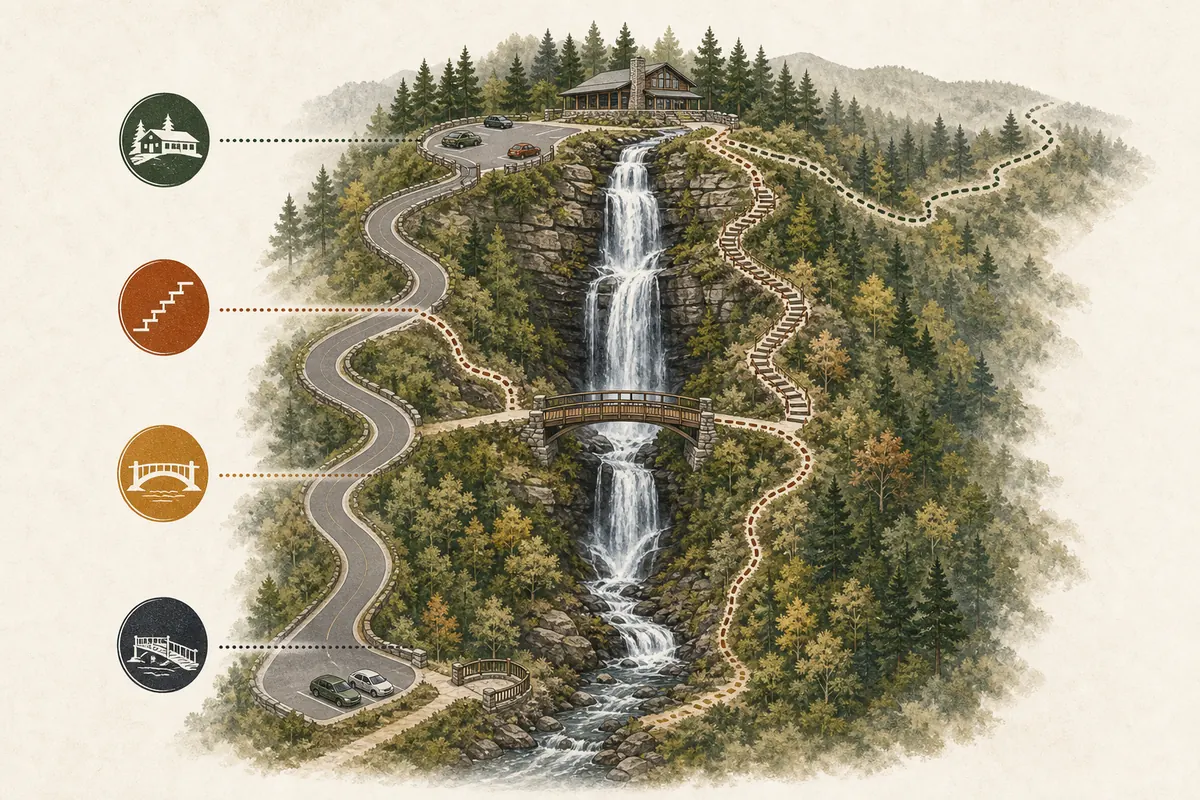
The Approach Trail is not the Appalachian Trail
No.
The Approach Trail connects Amicalola Falls State Park to Springer Mountain, where the Appalachian Trail begins, so its miles are additional to an Appalachian Trail itinerary.
That distinction matters for pack weight, arrival time, water, and the first overnight.
A northbound hiker who treats Springer as the parking lot starts the trip with a steep extra day before reaching the official southern terminus.
Starting through Amicalola
- Before travelDecide whether to hike the Approach Trail or reach Springer by another legal accessTransport is booked for the actual start
- At the visitor centerCheck in under the current hiker process and confirm noticesThe group carries current local information
- At the archRecord start time, weather, and turnaround thresholdExcitement does not erase the day plan
- At the fallsReassess heat, pack comfort, and stair paceProblems are caught near services
- Toward SpringerProtect enough daylight for the planned camp or pickupThe approach does not become an unplanned night
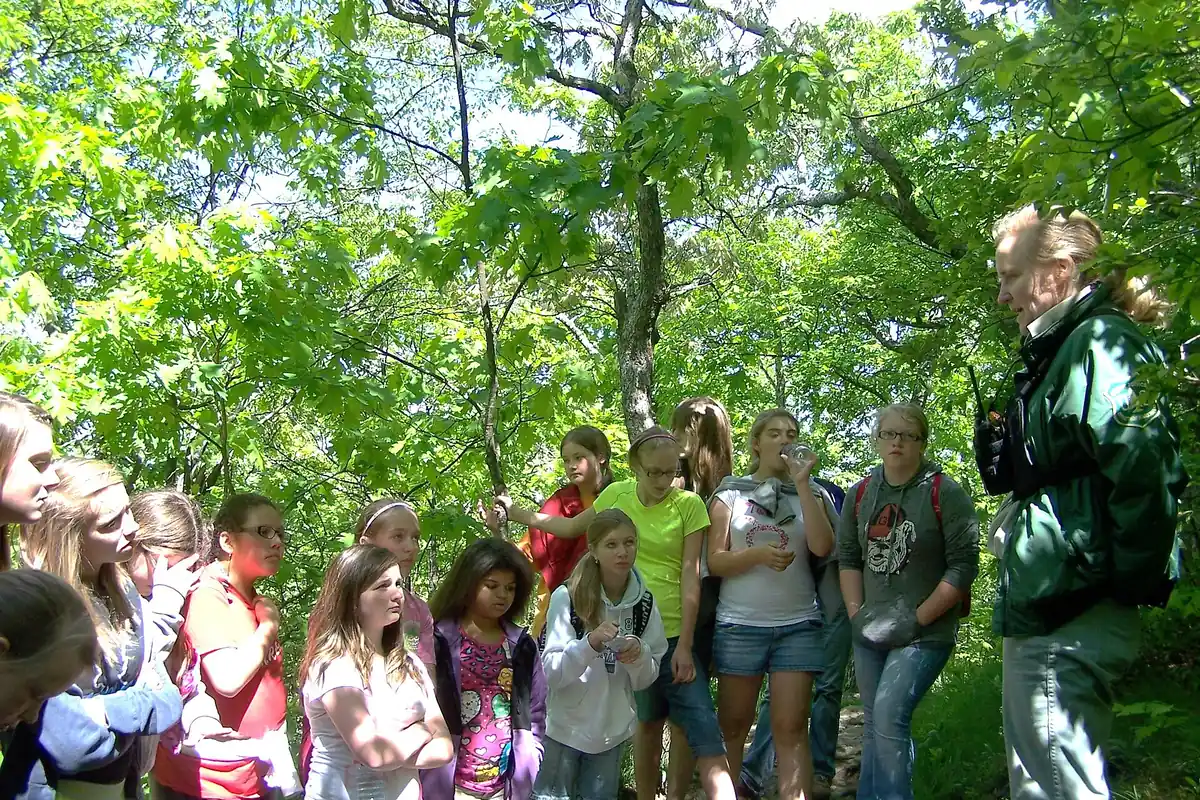
Day visitors should turn around according to their return plan rather than following backpackers. The same blue-blazed corridor serves people with very different destinations.
Backpackers should count the Approach Trail as part of the first day’s workload, including the stair or ridge choices made inside the park. Starting late after registration or pack adjustment can move the planned Springer arrival into darkness.
Parking fees and reservations are separate
Georgia state parks use a daily parking fee or an accepted annual park pass, subject to current rules.
The fee does not reserve a specific space, campsite, lodge room, or Hike Inn stay.
Developed campsites, cabins, the lodge, and Len Foote Hike Inn have separate reservation systems.
The hike-in lodge requires an actual booking before the walk, and guests carry what the property tells them to bring.
- Parking payment
- Covers the vehicle under current state-park rules
- Campground reservation
- Assigns the named campsite and dates
- Lodge booking
- Covers the selected room, not trail access elsewhere
- Hike Inn reservation
- Required before hiking to the backcountry lodge
- Day hike
- Does not reserve a parking space during busy periods
Arrive with a second open parking area and a shorter walking option. Circling narrow park roads or waiting in a travel lane creates risk without improving the visit.
Keep each reservation confirmation with the name of the facility and check-in rule. The lodge, campground, cabin, and Hike Inn are separate products, and staff at one cannot assume the group holds a booking at another.
When is the best time to hike Amicalola Falls?
Spring brings strong water flow and fresh foliage, but rain can make stairs and roots slick. Summer is green and humid, with heat increasing the effort of the climb and thunderstorms changing exposed viewpoints.
Fall offers cooler hiking and color, which also produces the busiest weekends. Winter can open views through bare trees, while ice and shortened daylight may remove the stair route from a safe plan.
You should check the park alert and local forecast on the morning of the visit. Waterfall spray can keep a surface wet after nearby pavement appears dry.
Spring usually rewards visitors who value flow and can manage wet surfaces. Summer shifts the best plan toward an early climb with more water, while fall rewards a weekday or early arrival because color concentrates both people and vehicles.
Winter can create the quietest visit, but shaded stairs and spray zones may hold frost after roads look dry. Use the shorter viewpoint system when traction or daylight makes the full loop a poor trade.
Can you camp or stay overnight near the trails?
The park offers developed camping, cabins, lodge rooms, and the hike-in lodge, but each places you in a different morning access system.
A campsite near park roads supports an early falls walk, while Hike Inn is already a backcountry hike from the upper trailhead.
Primitive camping connected to longer trails needs an identified legal site and reservation where required. Do not assume that an open patch beside the Approach Trail is available for an unplanned tent.
Developed campground
Vehicle access, assigned site, and posted facility rules.
Cabin or lodge
Indoor stay with a road-based morning plan.
Len Foote Hike Inn
Reserved hike-in lodging reached on foot from the park.
Approach Trail itinerary
Backpacking plan with legal camp and onward transport decisions.
Nearby private lodging
Separate drive and parking plan for the morning visit.
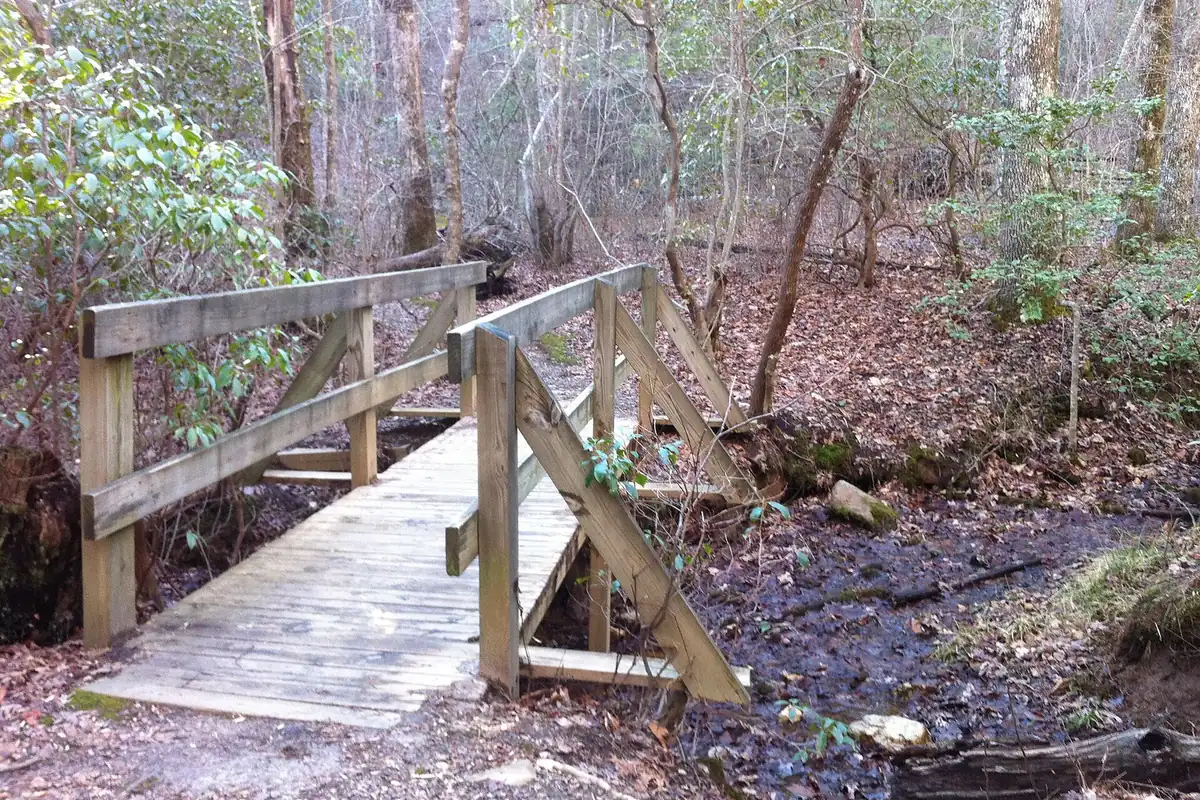
Store food and scented items as instructed and keep the site clean. Black bears and smaller animals can learn from one careless camp even in a developed park.
An overnight stay should simplify the next morning rather than add an unplanned transfer. Confirm whether the chosen lodging starts the day near the visitor center, upper trailhead, or a road reached only after checkout.
What should you carry for a short waterfall visit?
Start with a day hiking checklist, then adapt it to the stairs and spray. Your day pack should hold water, shoes with grip, a light rain layer, and a map or saved park map.
The developed setting can make visitors underestimate heat, wet stairs, and the time needed to return to a different parking level.
For the Approach Trail or Hike Inn, add the equipment required for a remote forest hike. That includes insulation, navigation, lighting, first aid, more food and water capacity, and an outside contact who knows the exact route.
- Water for the climb and return
- Footwear that grips wet steps and roots
- Weather layer for spray, rain, or a cool ridge
- Current park map and meeting point
- Headlamp for any route that could outlast daylight
- Full backpacking equipment for an overnight or Springer approach
You should set an overdue time even for a short group outing. Split parties should agree on one meeting point because the top, middle, base, lodge, and visitor center are not interchangeable descriptions.
Put the parking level and vehicle description in every adult’s phone. This small detail matters when one group uses the stairs and another drives to an upper viewpoint with weak mobile reception between them.
Are dogs allowed at Amicalola Falls?
Leashed dogs are generally welcome on applicable park trails, but lodging, buildings, food-service areas, and special facilities can have separate policies. Review the route as a hike with a dog and confirm the exact accommodation before bringing a pet on an overnight trip.
The stair route can be difficult for paws because of heat, wet metal, crowding, and repeated open steps.
Choose a shorter forest path when the dog hesitates, overheats, or cannot move safely through opposing foot traffic.
You should carry water and waste bags, keep the leash short near railings, and prevent the dog from approaching wildlife. A crowded overlook is not a suitable place to test recall.
Crowds change the safest route
Arrive early on fall weekends and fair-weather holidays, or choose a weekday when possible.
Crowding affects parking first, then stairs, overlooks, restrooms, and food service.
Early arrival does not justify waiting outside a gate or occupying an unmarked shoulder. Know which open parking level supports the chosen route and switch to the shorter plan when the preferred lot is full.
The waterfall can also be quieter late in the day, but only when the return fits daylight and current facility hours. A headlamp belongs in the pack whenever a longer forest loop or Approach Trail segment could delay the group.
Rain can reduce crowds while increasing slip risk. If you choose a wet day, use the lower viewpoints, move slowly on steps, and keep dry insulation available after the climb.
For a Hike Inn or Springer itinerary, crowd avoidance should not push the start so early that the group misses required check-in or current park guidance. Long-route timing comes from the overnight plan, not from waterfall parking pressure.
Is Amicalola Falls a good hike with children?
It can be, when the route matches the youngest child's capability and stamina and attention near stairs and railings.
Lower viewpoints and creek paths provide a successful visit without requiring the full climb.
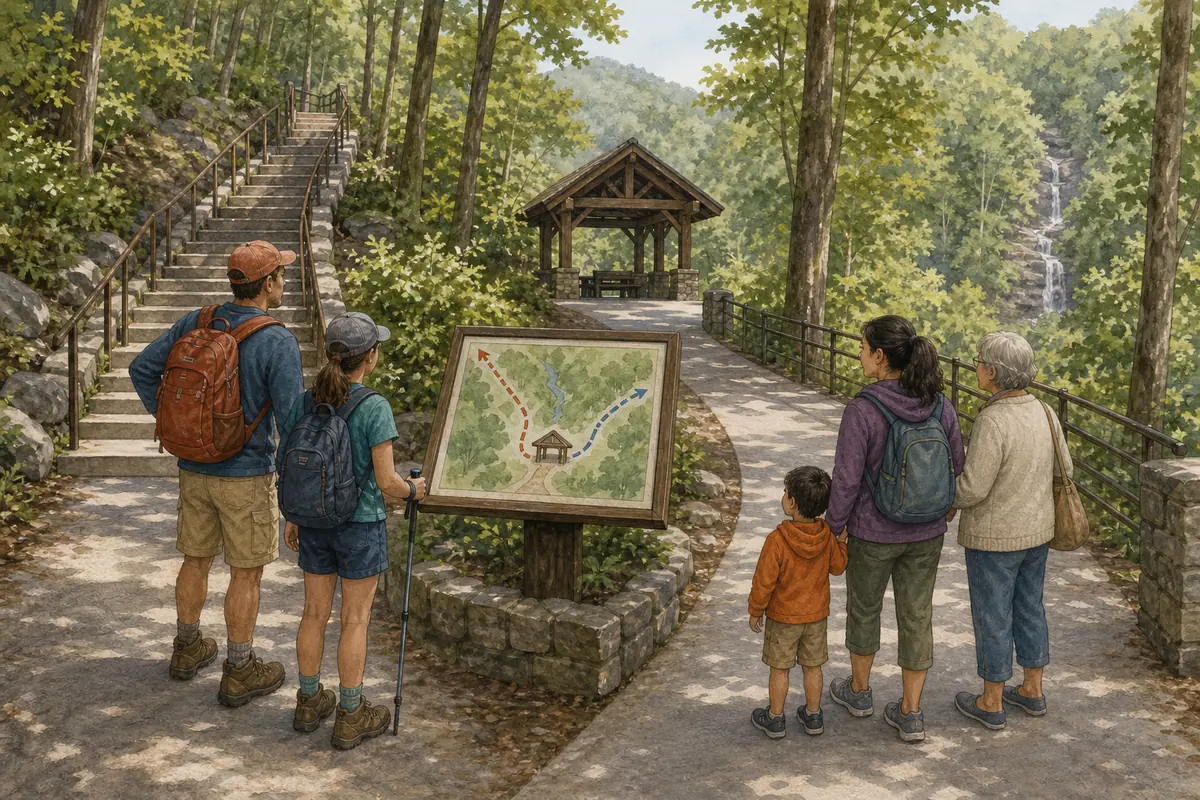
You should keep children within reach on crowded stairs and overlooks, and pause only on broad landings. Snacks and water should be used away from traffic so the group does not block a narrow passage.
The descent produces more slips. Use short steps, hold the rail where available, and let faster visitors pass safely.
Do not use a stroller on a route whose steps or grade make it unsuitable. Confirm the current accessible path and meet at a named viewpoint when adults split into different walking groups.
For an older child attempting the Approach Trail, set a turnaround before leaving the visitor center. Reaching Springer Mountain is a separate full-day objective, and the return doubles every mile walked outward.
Keep the meeting plan simple when one adult continues upward and another turns back. Use the visitor center, a named parking area, or a mapped viewpoint rather than phrases such as top or bottom, which can refer to several places.
Carry one spare warm layer for a child even on a mild day. Waterfall spray, sweat, shade, and a waiting period can cool a small person faster than the climbing temperature suggests.
Write a parent's phone number inside a child's pack and teach the child to stay put if the group becomes separated.
Sources
Waterfall access, trail choices, the 604-step route, the 8.5-mile Approach Trail, visitor facilities, and the current park map came from Amicalola Falls State Park's official operator pages and map. Parking-pass and reservation requirements came from Georgia State Parks and Historic Sites.
Approach Trail and Springer Mountain distinctions should be confirmed with the park and the Appalachian Trail Conservancy before a long-distance start. Fees, reservations, trail closures, and accessible routes can change, so check the official park page before travel.
RespectHazards to plan for
- wet stairs
- heat and humidity
- crowding
- winter ice
- black bears
- late return