
ACR ResQLink 400 Review: A One-Way PLB With No Subscription
A buoyant emergency-only 406 MHz beacon with no text, tracking, return channel, or commercial messaging plan.
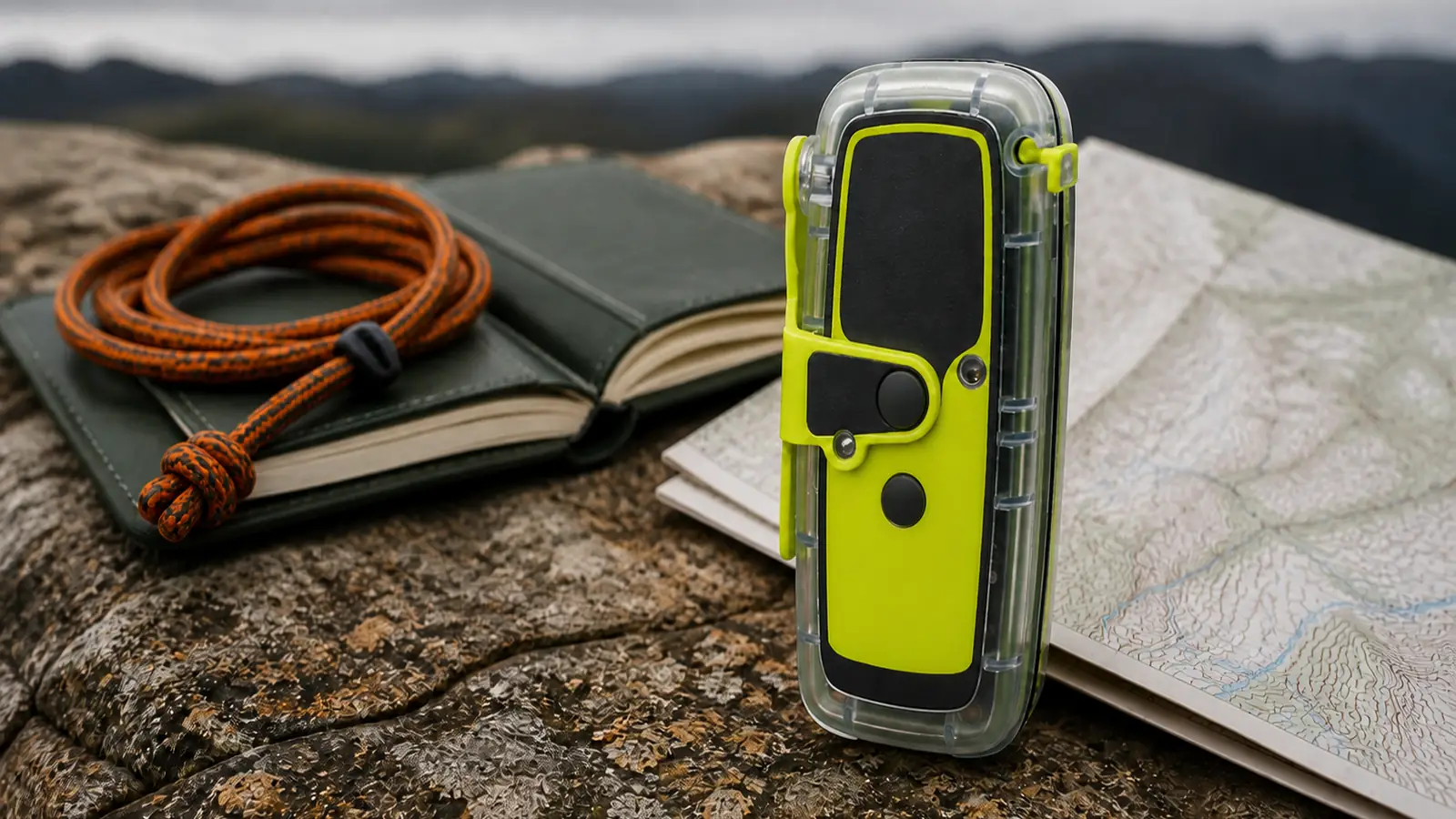
The ACR ResQLink 400 is a strong PLB when you want dedicated one-way distress signaling and accept the registration and service duties.
The ACR ResQLink 400 is a strong choice for someone who wants a compact, buoyant 406 MHz personal locator beacon with no commercial messaging subscription. It is an emergency-only device, so it cannot send routine check-ins, show weather, share a track, or let rescuers message you back.
That one-way role is either its cleanest strength or its decisive limitation. It stays dormant until a serious emergency, but you must accept uncertainty after activation and maintain registration, battery service, carry position, and deployment knowledge yourself.
KnowOutdoor has not activated or field-tested this beacon. This safety-aware editorial review relies on the current ACR product page, official manual and registration guidance, then uses independent reviews only as secondary context.
| Need | ResQLink 400 can do it? | What that means |
|---|---|---|
| 406 MHz emergency alert | Yes | Cospas-Sarsat routes the distress alert toward the responsible rescue authority |
| Local homing support | Yes | The separate 121.5 MHz signal helps nearby search teams close on the beacon |
| Custom text and reply | No | Rescuers cannot ask questions or confirm plans through this device |
| Routine check-ins and tracking | No | It is not a daily satellite communicator |
| Commercial messaging subscription | No | Registration still remains mandatory and must stay current |
Is the ACR ResQLink 400 a good emergency beacon?
Yes, when you deliberately want a one-way PLB. The current model combines GPS and Galileo positioning, a 406 MHz distress transmission, 121.5 MHz homing, visible and infrared strobes, built-in buoyancy, and a service-life battery in hardware listed at 144 grams.
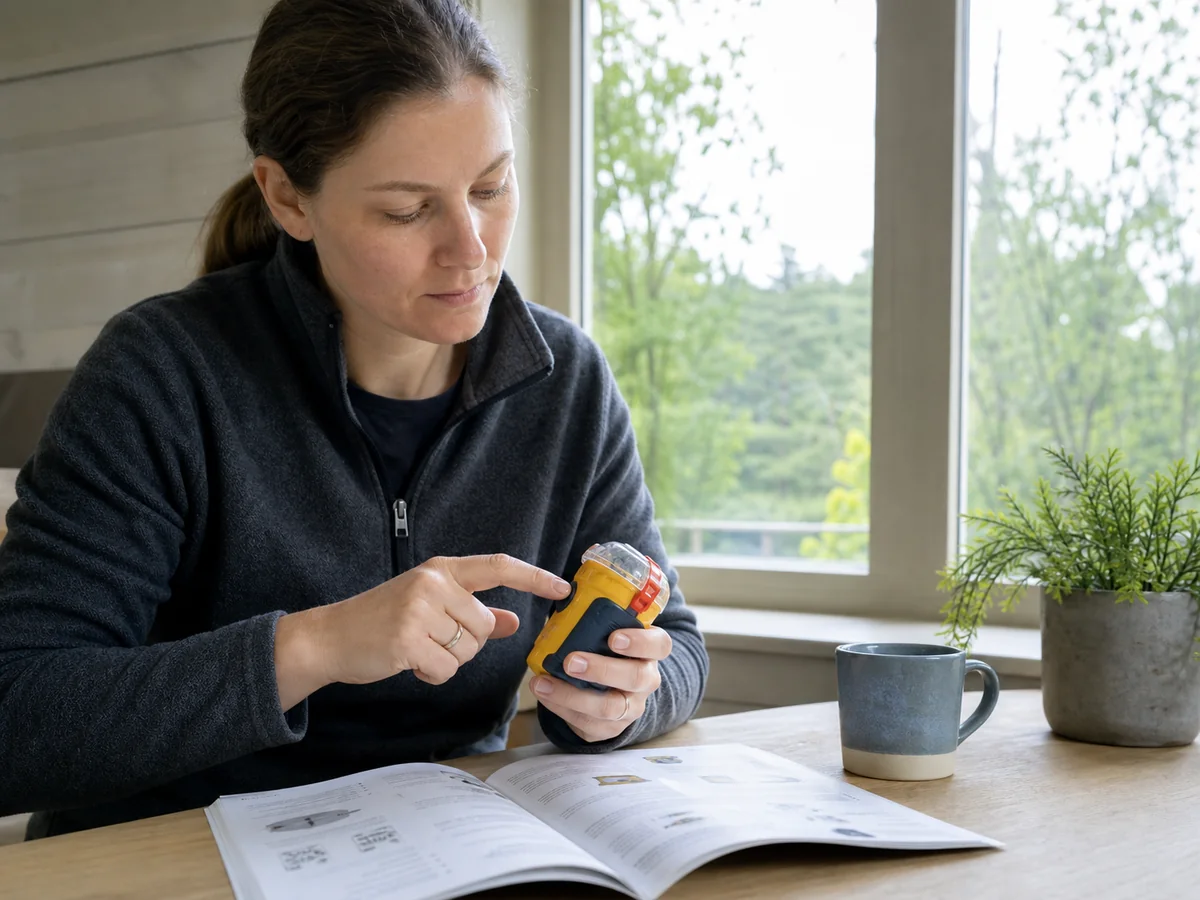
The beacon has no digital display. You work from controls and indicator patterns, so learning the current manual before the trip matters more than exploring a menu during an emergency.
Its simplicity comes from doing one job. You carry it for a grave and imminent threat when ordinary self-rescue and communication are no longer enough.
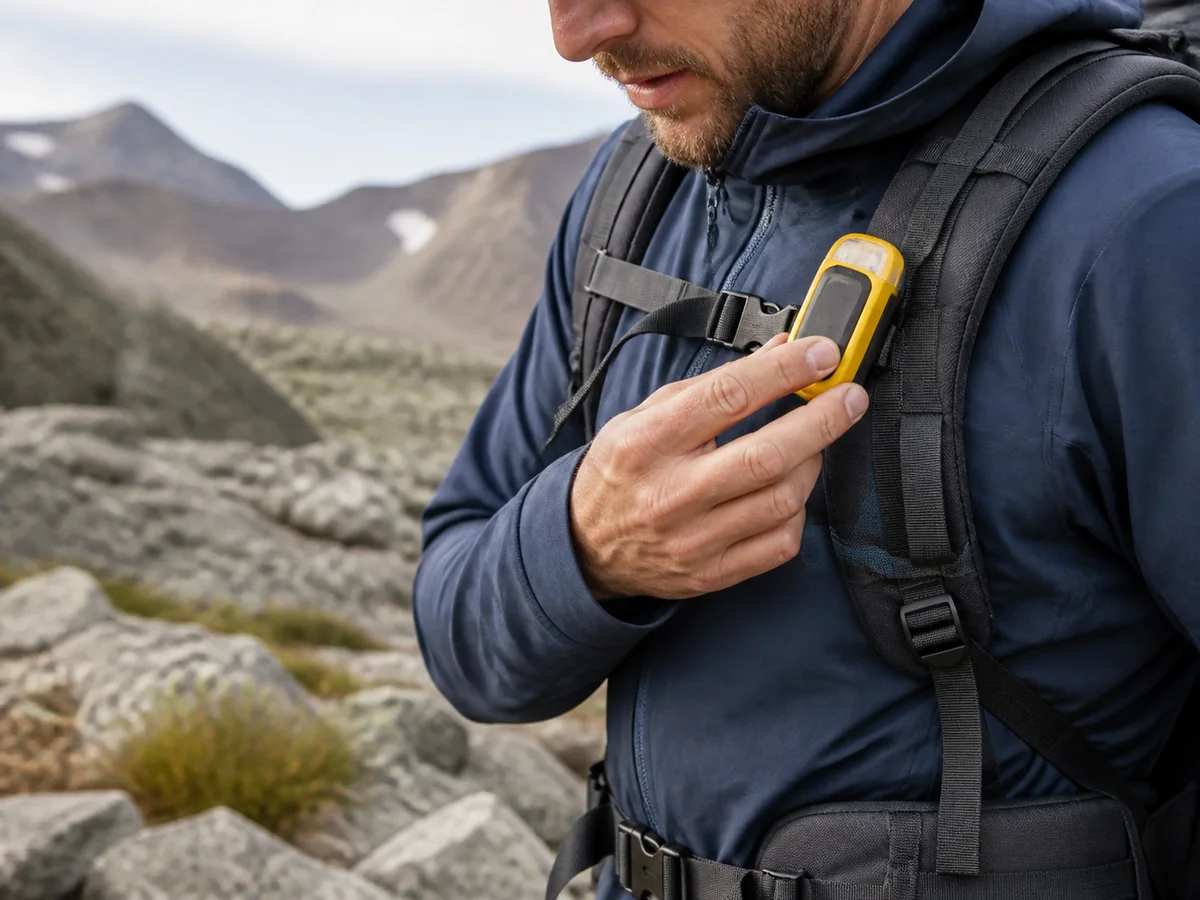
This device should complement ordinary hiking safety practices, not replace them. It cannot tell you whether a slope is safe, stop heat illness, provide first aid, or navigate back to a junction.
What happens after you activate the ResQLink 400?
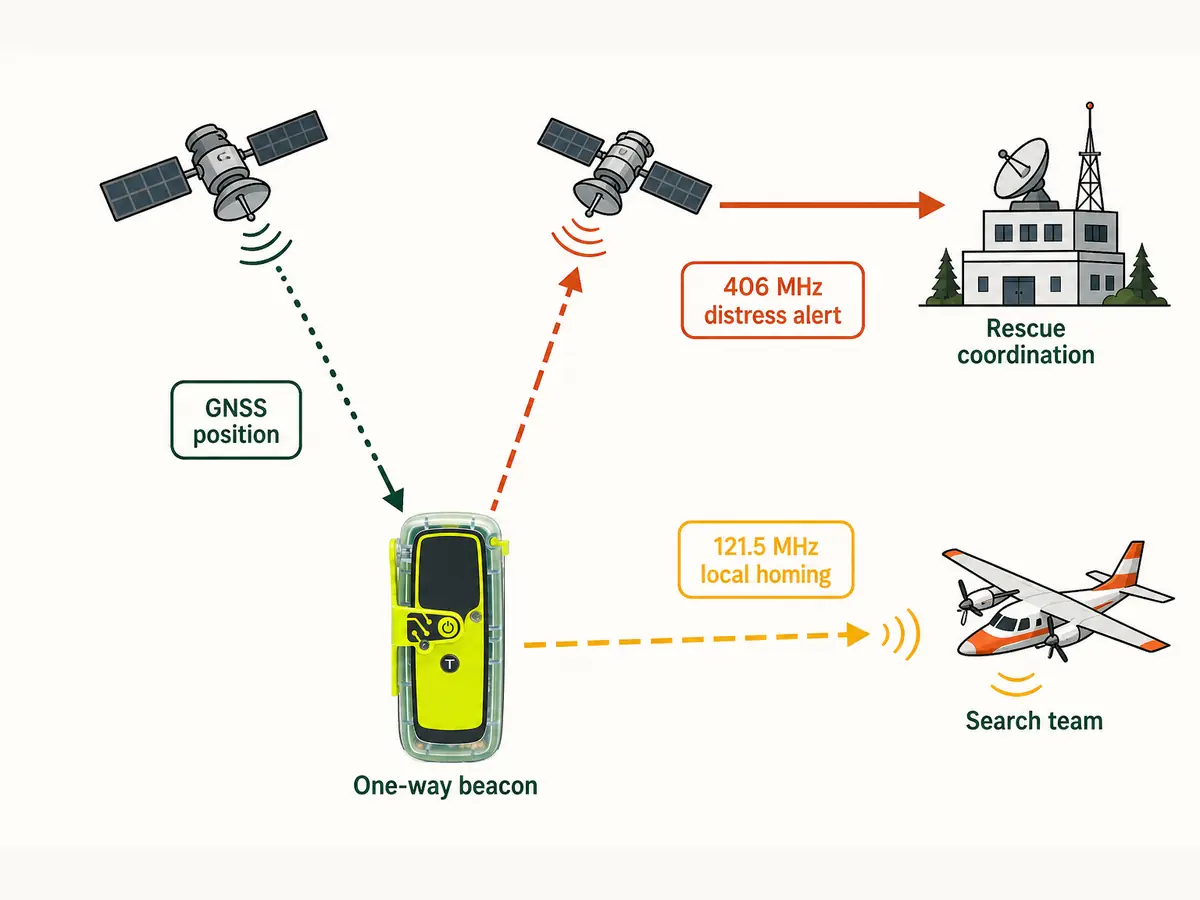
Activation starts several signal processes. The GNSS receiver attempts to establish a location, then the beacon encodes its identity and available position into the 406 MHz distress transmission detected by the Cospas-Sarsat system.
That alert is routed through mission-control infrastructure to the responsible rescue coordination authority. Local responders then use the available registration details, location, terrain, weather, and agency resources to plan a response.
From beacon activation to local search
- Deploy and switch onExtend the antenna and activate the beacon according to the manualThe unit begins position acquisition and distress transmission
- Satellite detectionCospas-Sarsat receives the 406 MHz beacon identity and available positionThe alert is routed toward the responsible coordination authority
- CoordinationRegistered owner and emergency-contact details help establish contextResponders decide what resources and agencies are appropriate
- ApproachSearch teams move toward the transmitted positionTerrain, weather, access, and available aircraft or ground teams affect timing
- Final localizationThe 121.5 MHz homing signal and visible or infrared strobe can help nearby teamsCorrect beacon position and remaining near it improve the final search
The manufacturer describes GPS and Galileo reception, MEOSAR compatibility, and 121.5 MHz homing as three separate signal jobs. One produces coordinates, another carries the emergency alert, and the homing signal supports teams already approaching the area.
No beacon can guarantee when help arrives. Mountains, storms, aviation restrictions, distance, national procedures, and the emergency itself all influence the response after a valid alert is received.
Why can't rescuers message you back?
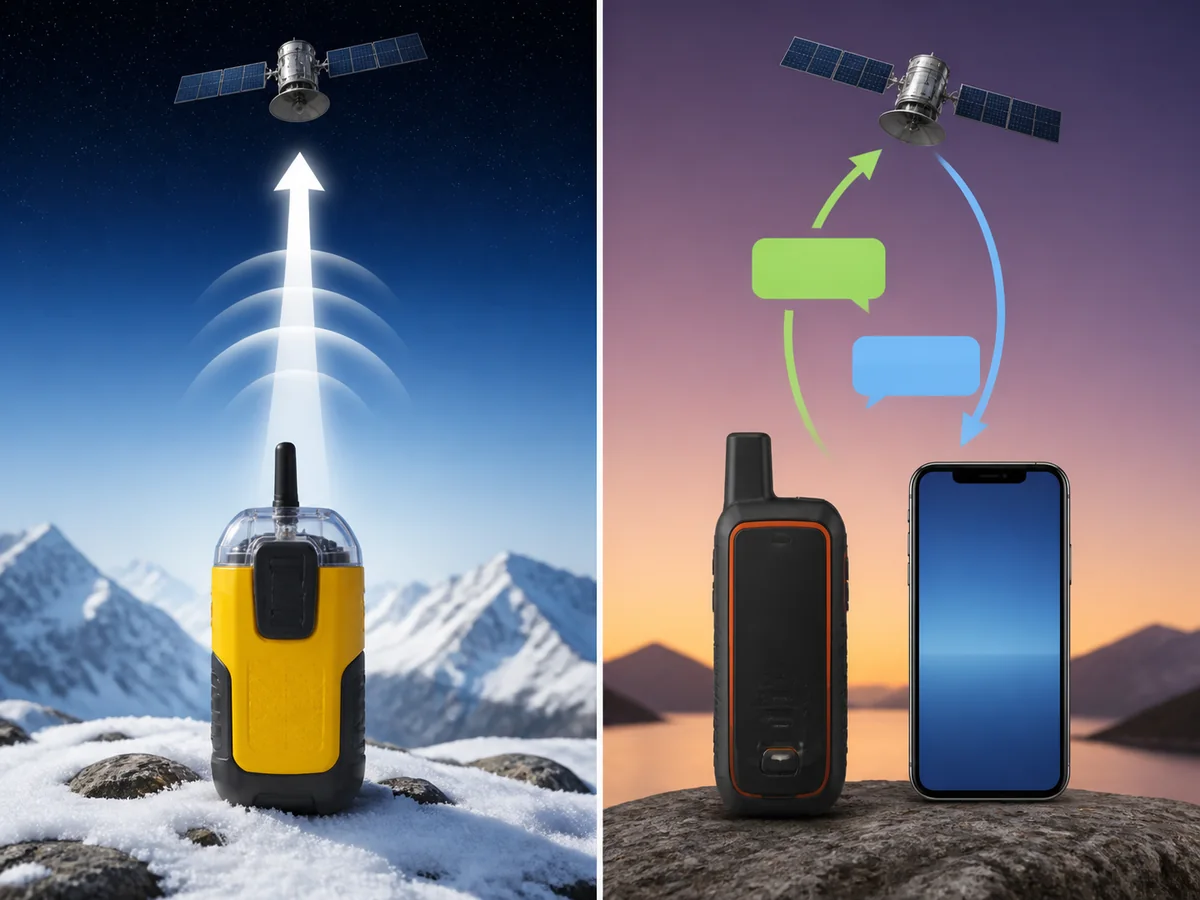
The ResQLink 400 is a transmitter rather than a two-way text terminal.
It can send the beacon identifier and position data, but it has no normal return channel for a coordinator to ask whether the patient is conscious or whether the party has shelter.
| Information or function | ResQLink 400 PLB | Two-way satellite messenger |
|---|---|---|
| Emergency alert | Sends through Cospas-Sarsat | Sends through a commercial satellite and response service |
| Custom injury details | Not available | Can be typed when the device or paired phone supports it |
| Confirmation conversation | No text reply channel | Coordinator can usually reply after connection |
| Routine check-ins | Not available | Common service feature |
| Tracking and weather | Not available | Available on many active plans |
| Ongoing subscription | No commercial messaging plan required | Usually required |
Registration partially compensates for one-way silence. The listed emergency contacts can confirm who owns the beacon, the expected trip, likely party size, medical context they know, and whether an alert fits the itinerary.
It does not replace a message from the scene. Contacts may know the planned route but not whether the emergency is a fall, fire, medical event, or environmental exposure, so coordinators still begin with limited incident detail.
After activation, remain near the beacon when the site is safe. Moving without a communication channel can separate you from the coordinates already transmitted and from the equipment producing the homing signal and strobes.
How do you register a ResQLink 400?
Register it with the national authority for the country in which the beacon is coded and used. The manufacturer provides a registration database because the responsible agency differs by country.
In the United States, NOAA accepts 406 MHz beacon registration. Other countries use their own authorities and may have different update, transfer, and travel rules.
NOAA says U.S. registration is free and must be renewed every two years. Owners can update the record between renewals, which is useful after a move, a changed emergency contact, or a transfer to a new owner.
- Identify the national authorityUse the official ACR registration directory or the government beacon program for your country.
- Enter the beacon identifierCopy the 15-character hexadecimal ID from the beacon and verify every character.
- Add owner and emergency contactsUse people who can answer calls and describe the trip rather than companions carrying the same beacon.
- Describe the intended useKeep vessel, aircraft, hiking, or travel information accurate where the registry requests it.
- Confirm the recordComplete any email, letter, or account validation required by the authority.
- Update material changesRevise contacts, address, ownership, and relevant use information instead of leaving an old registration active.
Registration does not transmit an itinerary automatically. Leave a separate route and return plan with a reliable contact, especially during solo backpacking.

If the beacon is sold, moved between countries, or programmed for the wrong national system, contact the relevant authority and an authorized service provider. Do not assume that changing an online profile can reprogram a country-coded unit.
Where should you carry and deploy the beacon?
Carry the ResQLink 400 on your person, not deep inside a pack that could be lost down a slope or swept away. A shoulder strap, life jacket, or secured clothing location can keep it reachable with an injured arm, though the exact clip arrangement must follow the manual.
Deployment needs a safe location with the clearest practical sky view. Extend the antenna fully, keep it upright as shown by ACR, and place the beacon where your body, rock, snow, or gear does not cover it.
- Keep the beacon attached to the person during travel
- Practice opening the protective control and deploying the antenna
- Move to safer open sky only when movement will not worsen the emergency
- Set the antenna in the manual's specified orientation
- Keep the unit clear of metal, body mass, rock, and dense gear
- Stabilize it so wind or movement cannot knock it flat
- Stay near the transmitted location unless the site becomes dangerous
- Continue visible and audible signals for help
Dense forest or a narrow canyon may prevent a perfect view. Seek the largest safe opening nearby, but do not climb an exposed ridge during lightning or enter moving water merely to improve radio geometry.
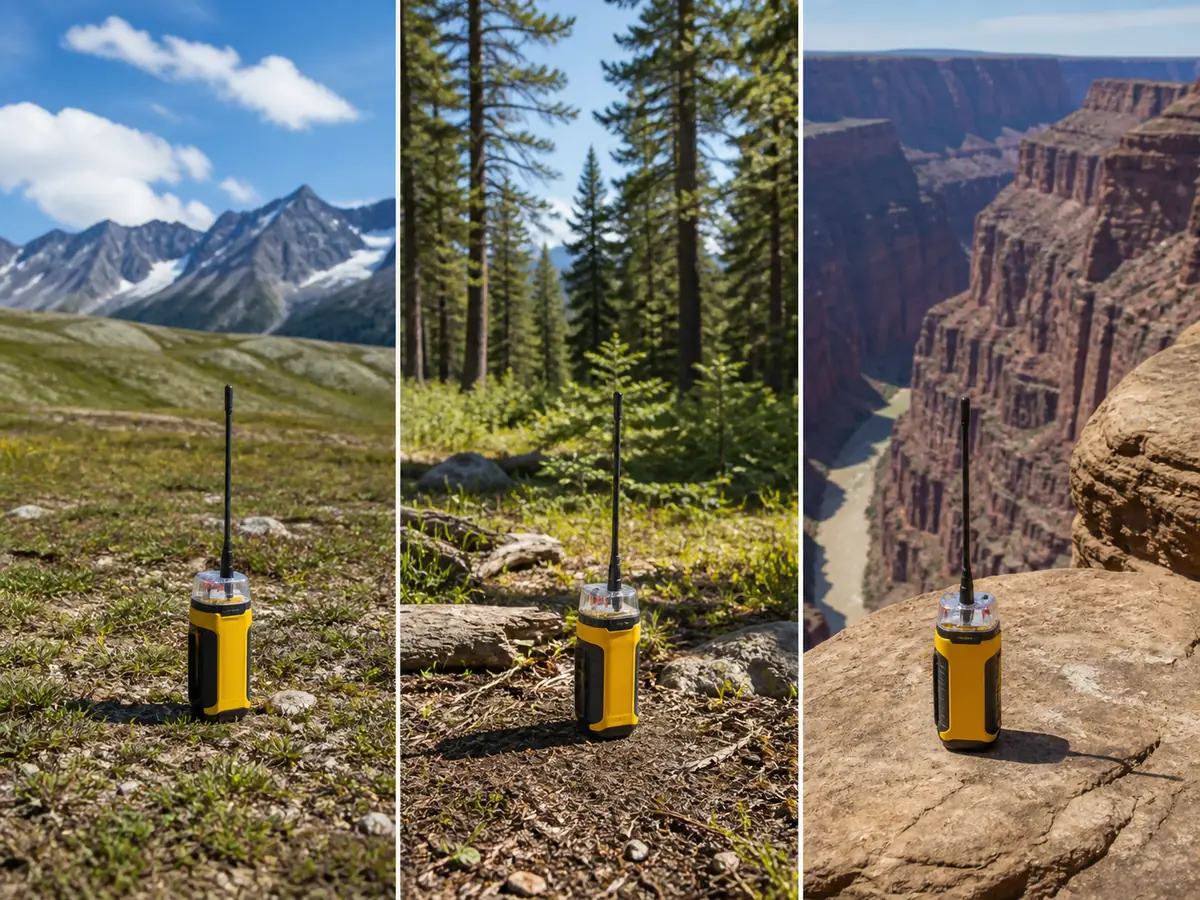
While waiting, protect the patient and group from the environment. Wilderness first aid and an emergency shelter still matter because the beacon cannot shorten every delay.
Does the ResQLink 400 float?
Yes.
ACR lists built-in buoyancy for the ResQLink 400 and identifies it as a buoyant PLB without a digital display.
Buoyancy does not mean unattended deployment. Secure it to the person, get the antenna above the water in its specified position, and follow the manual's water-use instructions.
- Buoyancy
- Built in according to the current ACR specification
- Waterproof test
- 5 meters for 1 hour and 10 meters for 10 minutes under the stated test conditions
- Operational life
- More than 24 hours under the manufacturer's accredited-laboratory basis
- Operating range
- -20°C to 55°C according to the current specification
- Storage range
- -30°C to 70°C according to the current specification
- Mass
- 144 grams on the current product specification
Waterproofness, buoyancy, and correct transmission position are separate properties. A unit can resist immersion and float while still needing the antenna held clear of the water for effective operation.
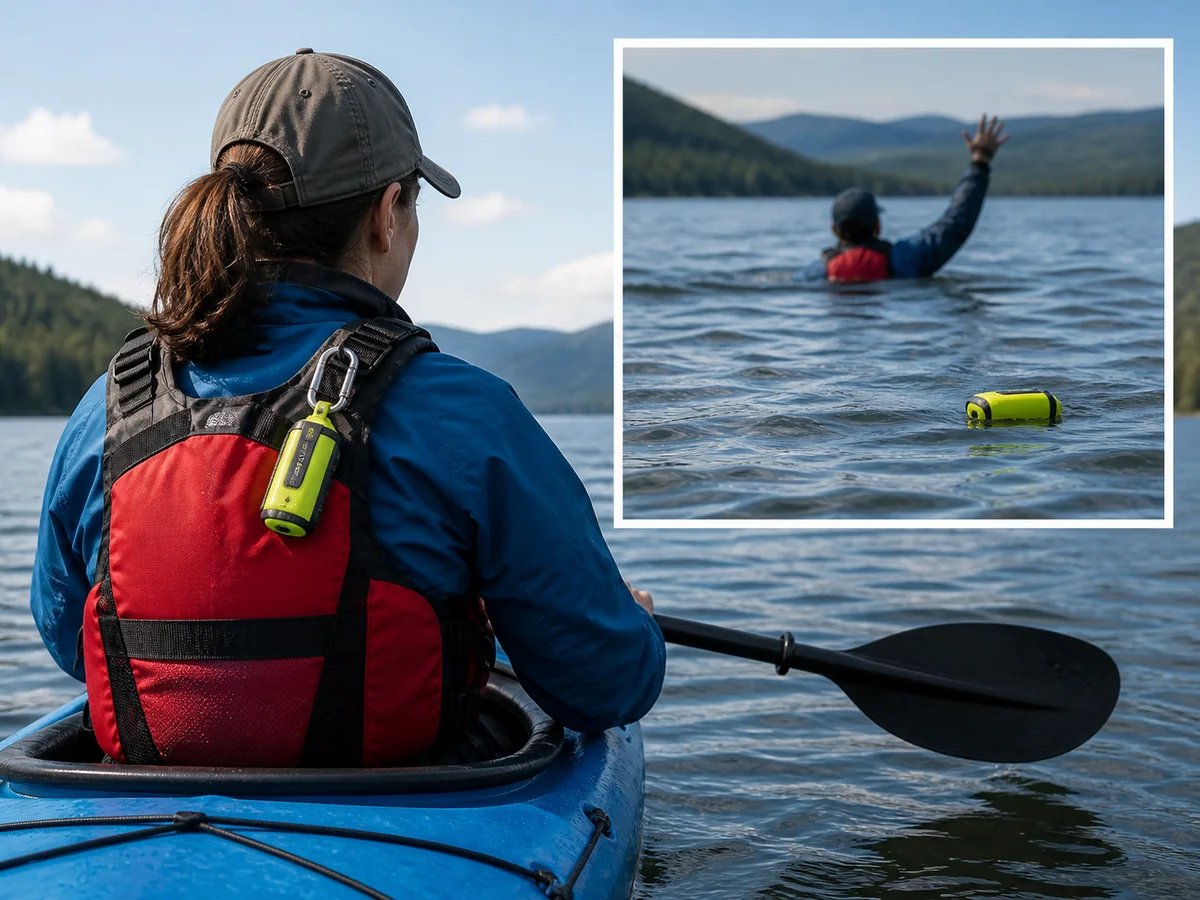
Cold water creates a patient-care problem independent of the electronics. Start the response to cold-water immersion while the distress signal continues.
How should you test it without sending a false alert?
Use the self-test modes described in the current manual. Never use live activation as an informal test, because a real 406 MHz alert can mobilize rescue resources.
| Mode | Purpose | Satellite distress alert | Battery consequence | Appropriate action |
|---|---|---|---|---|
| Routine self-test | Checks core electronics and indicators | No live distress alert when performed correctly | Designed for limited periodic use | Follow the manual and record the result |
| GNSS self-test | Checks satellite position acquisition | Test behavior follows the manual, not emergency activation | Uses more battery and has a lifetime limit | Perform only at the stated interval with open sky |
| Live activation | Requests emergency response | Yes | Requires battery service afterward | Use only for a grave and imminent emergency |
| Failed test | Shows readiness is uncertain | No reason to activate live SOS | Stop relying on the unit | Repeat only as instructed, then contact authorized service |
ACR's current FAQ states a five-year allowance of up to 60 self-tests and 20 GPS self-tests for PLB-400 and PLB-425 models. The owner's manual controls the proper schedule and indicator interpretation, so do not treat the maximum allowance as a target.
If a false alert occurs, switch off the beacon when safe and contact the responsible emergency authority immediately with the beacon ID, time, location, duration, and cause. Hiding a mistake can leave responders searching for an emergency that no longer exists.
When does the battery need service?
ACR specifies battery replacement after five years or after emergency use, whichever occurs first. The beacon carries a replacement-date label, and the battery is not sold as a user-replaceable part.
Authorized service includes more than installing cells. ACR states that trained technicians perform functional testing after replacement so the beacon can return to its specified service state.
- Read the battery replacement date before every major trip
- Confirm the routine self-test passes as the manual describes
- Inspect the case, antenna, clips, and control cover for damage
- Confirm registration and emergency contacts remain current
- Arrange authorized service after any emergency or accidental activation
- Check current shipping instructions before sending a lithium-powered unit
- Do not carry a failed or expired beacon as if it were a working backup
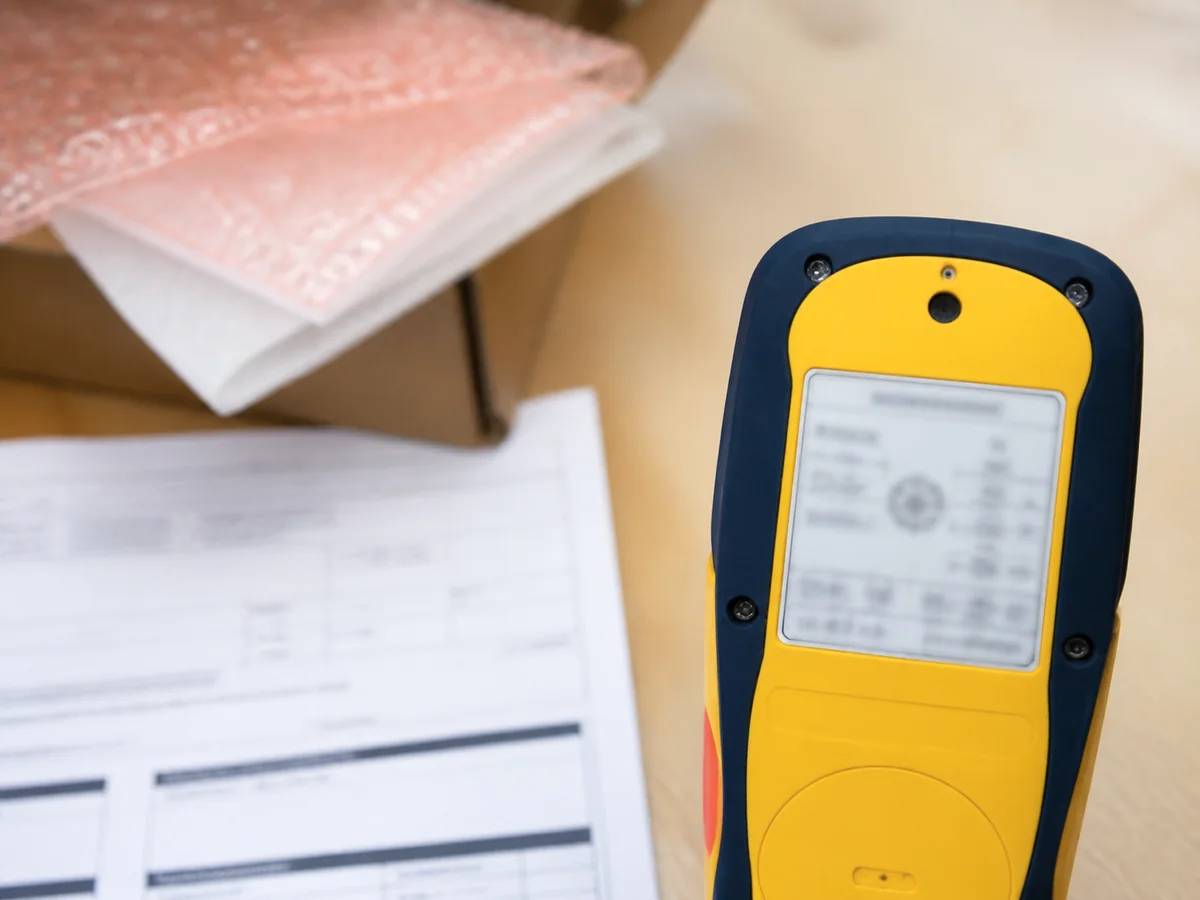
A dormant battery reduces routine charging work but increases the importance of dates. Put the replacement date in a calendar well before an expedition rather than discovering it at the trailhead.
Should you buy a PLB or a satellite messenger?
Buy a PLB when emergency signaling without ordinary communication is the priority.
Buy a satellite messenger when check-ins, custom text, tracking, weather, and two-way rescue details justify a commercial service and more frequent power management.
| Decision | ResQLink 400 PLB | Phone-linked satellite messenger |
|---|---|---|
| Emergency system | Cospas-Sarsat 406 MHz alert | Commercial satellite network and response partner |
| Two-way conversation | No | Usually supported with working interface |
| Routine check-ins | No | Common feature |
| Live tracking | No | Common feature under a plan |
| Commercial subscription | Not required | Usually required |
| Battery approach | Five-year service interval and emergency reserve | Rechargeable and consumed during routine use |
| Key setup duty | National registration and expiry management | Account, plan, contacts, app, pairing, and charging |
For a remote trip with complex medical or logistical risk, two-way text can provide context that a PLB cannot. For an infrequent user who refuses another subscription and wants a dedicated emergency signal, the ResQLink 400 has the cleaner ownership model.
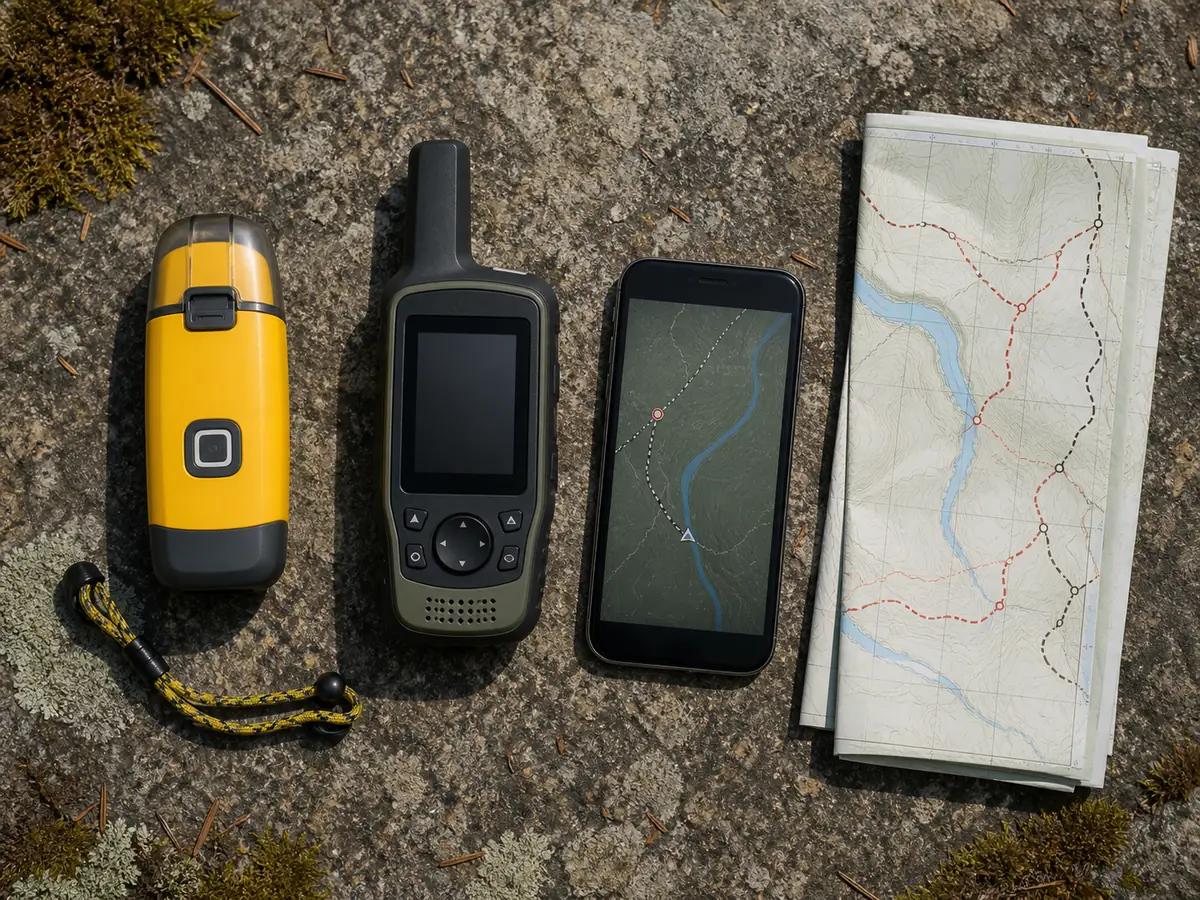
Some groups carry both categories because routine communication and an independent emergency beacon have different failure modes. That is a risk decision rather than a universal requirement, and it should never displace food, shelter, first aid, navigation, or weather preparation.
Who should buy the ACR ResQLink 400?
Buy it if you want a subscription-free PLB and accept one-way uncertainty after activation. It particularly suits infrequent remote travelers who will maintain registration and service dates even though they do not use the beacon on ordinary days.
Pros
- No commercial messaging subscription
- GPS and Galileo positioning with a 406 MHz distress alert
- 121.5 MHz homing plus visible and infrared strobes
- Built-in buoyancy and documented waterproof test limits
- More than 24 hours of specified operational life under the manufacturer's test basis
Cons
- No custom text, check-ins, tracking, weather, or return message
- No digital display for status and coordinates
- National registration must stay current
- Battery requires authorized service after five years or activation
- Correct carry, antenna position, and safe sky view remain user responsibilities
Choose a two-way communicator if confirmation and detailed exchange are central to your plan. Choose neither as a substitute for navigation or judgment, especially when getting lost, flash floods, or weather can make the original route unsafe before an emergency button is needed.
Sources
The current ACR ResQLink 400 product page and its linked official manual were used to verify the beacon role, signal technologies, specifications, registration requirements, self-test limits, battery service, buoyancy, and waterproof test conditions on August 31, 2026.
United States registration should be completed through the official NOAA Beacon Registration system. NOAA's registration FAQ supplies the renewal and update rules.
Users in other countries must use their own national authority.
Independent review demand and reader concerns were compared across TrailCraft and PreparedBritain. Safety and operational facts were taken from official ACR and government sources rather than unsupported reviewer claims.