
How to Choose a Sleeping Bag for the Coldest Night You Expect
Match the comfort rating to your coldest night, then choose fill, shape, and fit.
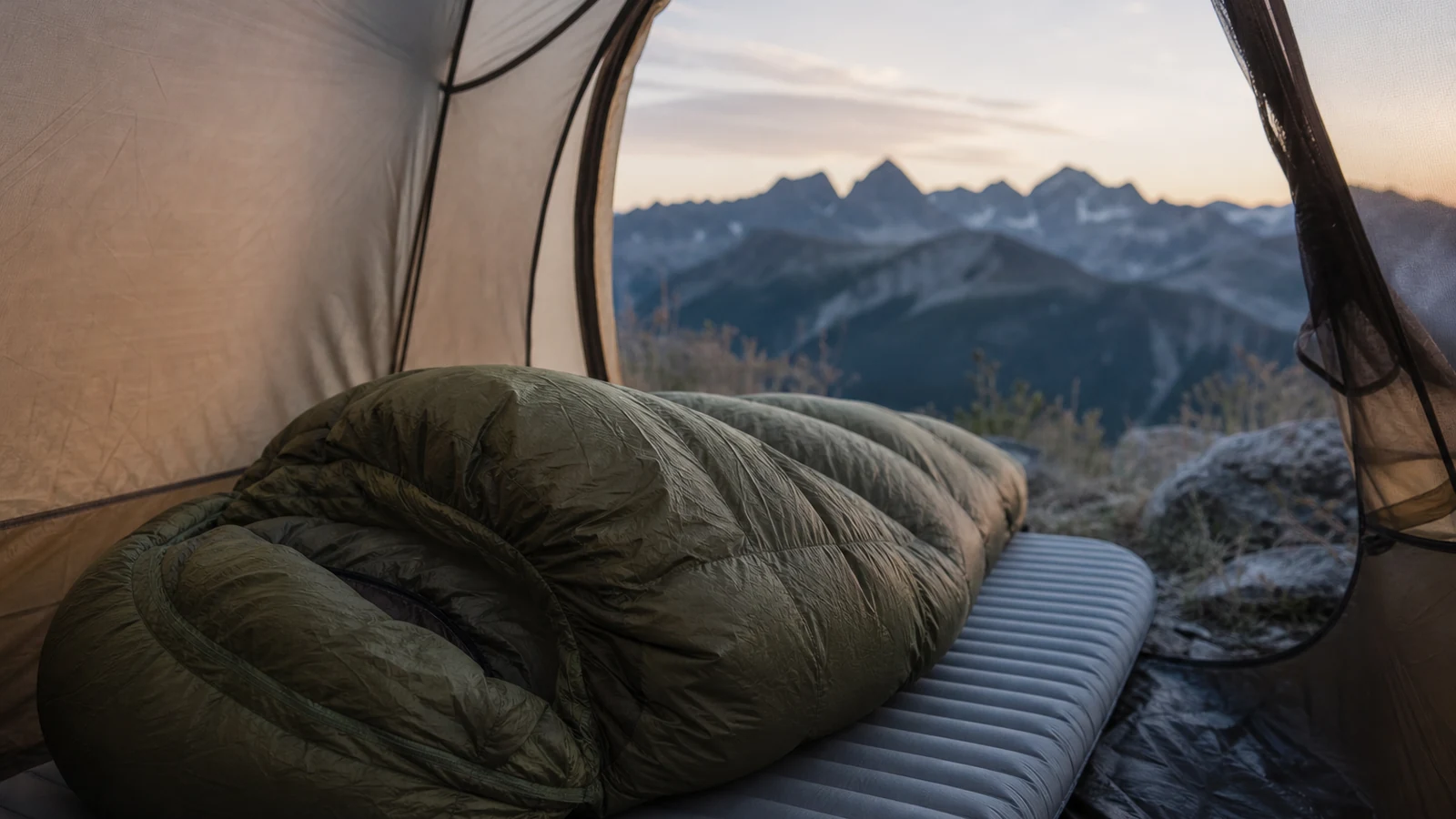
A sleeping bag is only as warm as the coldest night you size it for, so start from that temperature and let fill, shape, and fit follow from it.
Pick a sleeping bag by the coldest night you expect to sleep in, then work outward from there. Warmth is the whole job, and almost every other choice, from fill type to shape, is really a question of how much warmth you get for the weight and money.
Before you compare bags, know what a rating actually promises.
Read the comfort number, not the lowest number on the tag. Marketers like to quote the limit or the extreme rating, but the comfort rating is the honest figure for how cold you can go and still sleep.
What temperature rating do you actually need?
Match the comfort rating to the lowest temperature you realistically expect, then add a small margin for a cold snap. A three-season backpacker in the mountains meets freezing nights more often than the calendar suggests, so a 20°F bag covers far more trips than a 40°F one.
Ratings sort into rough seasons, and picking the season is easier than picking a number. The table below turns each band into the nights it actually handles.
| Comfort rating | Season | Handles | Best for |
|---|---|---|---|
| 40°F / 5°C | Summer | Warm nights, mild valleys | Car camping, desert summer |
| 30°F / -1°C | Late summer | Cool nights, shoulder trips | Warm-climate backpacking |
| 20°F / -7°C | Three-season | Frost, alpine summer | The all-round backpacking bag |
| 15°F / -9°C | Cold three-season | Hard frost, high elevation | Mountain and late-fall trips |
| 0°F / -18°C and below | Winter | Snow camping, deep cold | Winter and expedition use |
A colder bag is not automatically better, because you can vent a warm bag on a mild night but you cannot add much warmth to a bag that is too cold. That said, most people sleep colder than the label assumes, and being tired, dehydrated, or underfed all lower your own furnace. If you plan to sleep out when nights turn cold, size the rating to the worst night, not the average one.
The bag is only half of your warmth. The sleeping pad under you carries an R-value that measures how well it blocks cold from the ground, and a warm bag on a thin pad still sleeps cold because your body crushes the down flat beneath you. You can also stretch a bag's range by sleeping in dry base layers and a hat, which is often enough to carry a 30°F bag into a frosty night. For a true cold-weather trip, plan the bag and pad together the way you would for winter backpacking.
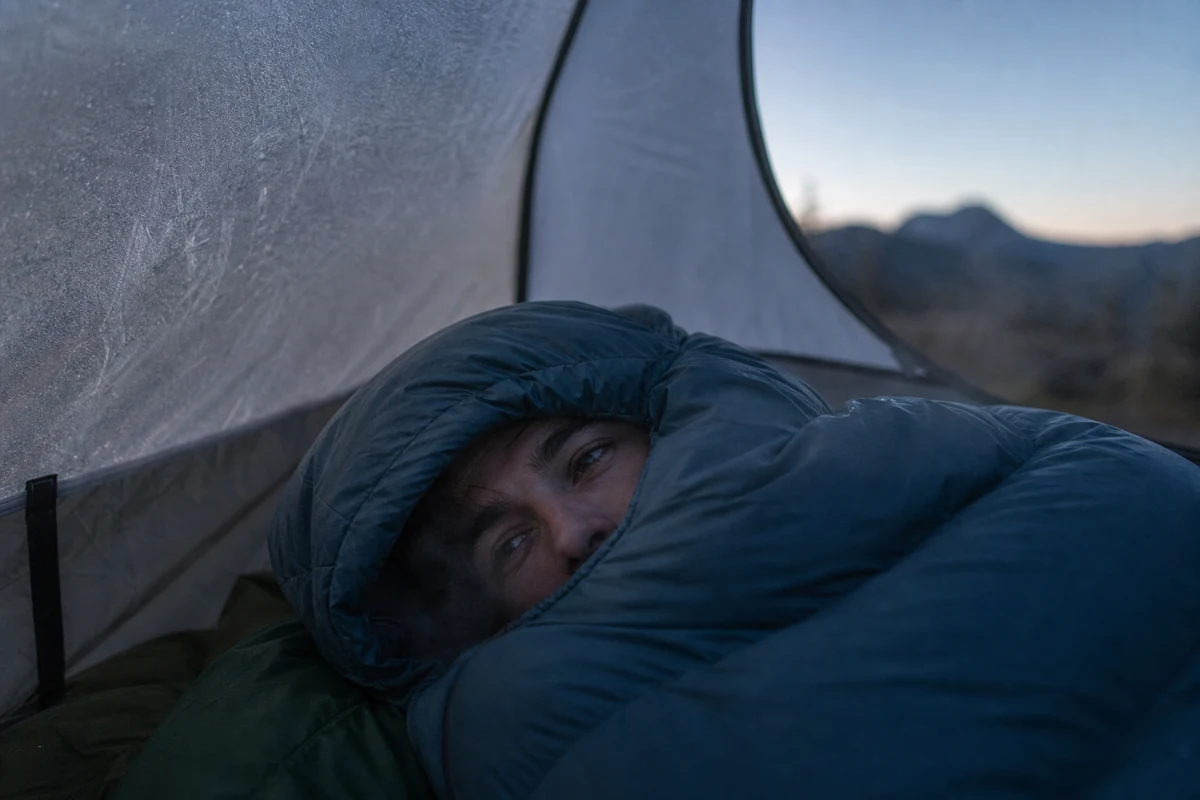
Down or synthetic fill?
Choose down for warmth per weight and packed size, and synthetic for wet conditions and a lower price. This one decision changes how heavy your bag is, how small it packs, how it handles moisture, and how much it costs.
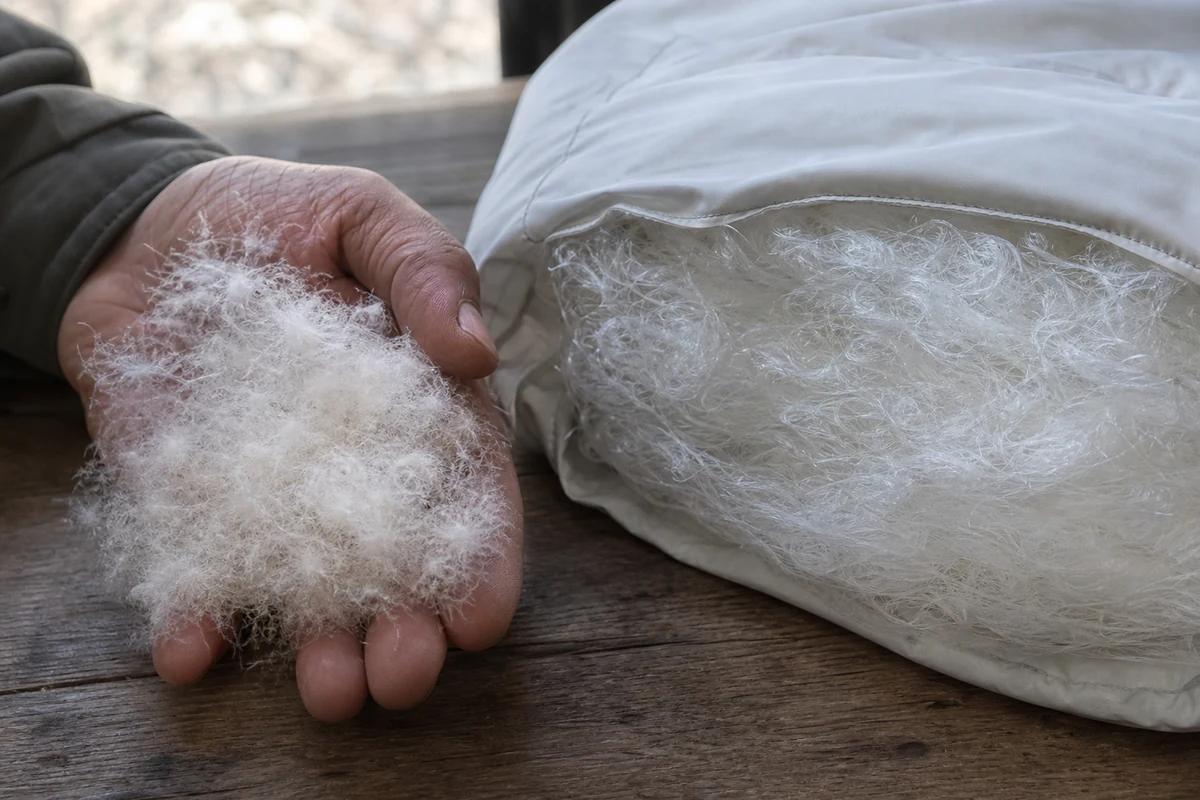
Down is the fine plumage under a bird's feathers, and it traps more warm air per gram than any synthetic. Synthetic fill uses fine polyester fibers that keep more of their loft when damp and dry faster after they get wet.
The gap shows up in real numbers. A 20°F down bag weighs roughly 1.5 pounds and stuffs to the size of a loaf of bread, while a synthetic bag of the same rating runs closer to 2.5 or 3 pounds and packs about twice as large. On a weekend that difference is minor, but over a week of carrying it, the down bag's savings in weight and pack space add up on every climb.
Pros
- Down packs smaller and weighs less for the same warmth, often by a third or more.
- Down lasts far longer, holding its loft for a decade or more with good care.
- Synthetic keeps insulating when damp, which matters in a wet tent or a humid climate.
- Synthetic costs less and needs less careful washing and storage.
Cons
- Down loses most of its warmth when soaked and dries slowly unless it is treated.
- Down costs more, and ethical sourcing takes a certified supply chain to verify.
- Synthetic is heavier and bulkier, and it loses loft faster over years of use.
Water-resistant down treatments narrow the wet-weather gap, and they help a down bag survive tent condensation, but they do not make down safe to soak. For a rainy climate or a paddling trip, synthetic is the safer call. For counting grams on a dry alpine route toward a lighter carried load, down wins on weight and packed size.
Longevity tips the math over time. A quality down bag holds its loft for ten to fifteen years when you store it uncompressed and wash it rarely and gently, so its higher price spreads across many more nights than a synthetic bag that softens in three or four seasons. If you camp mostly in damp or cold-and-wet conditions, though, that durability does you no good on the night the bag gets soaked, which is why the choice follows your typical camping conditions more than the sticker price.
How fill power and fill weight decide warmth and packed size
Fill power measures the quality of the down, and fill weight measures how much is in the bag. Both matter, and confusing them is the most common mistake when reading a spec sheet.
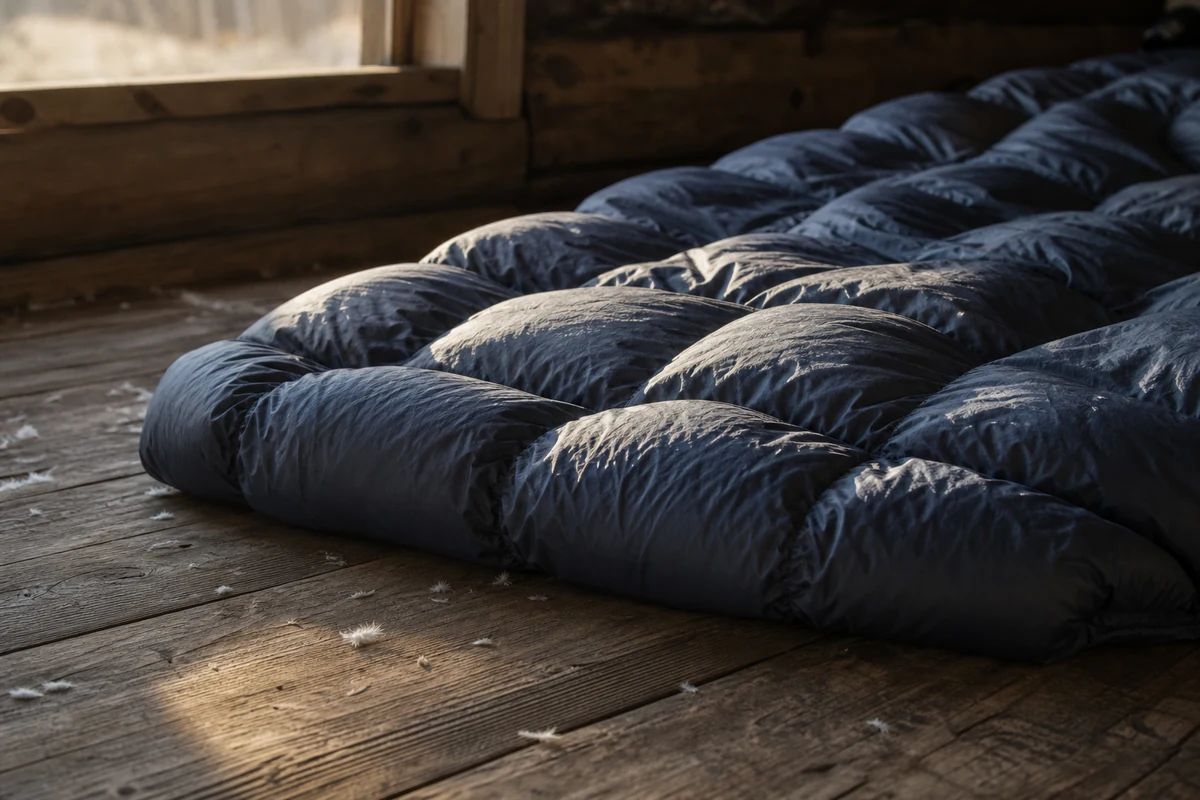
Fill power is the volume in cubic inches that one ounce of down lofts to, so 850-fill down traps more air per gram than 650-fill. Higher fill power means a lighter, more packable bag at the same warmth, but it does not by itself mean a warmer bag.
- 550 to 650 fill
- Entry-level down, heavier and bulkier for the warmth
- 700 to 750 fill
- Solid mid-range, the value sweet spot for most buyers
- 800 to 900 fill
- Premium down, lightest and most packable
- Fill power measures
- Down quality and loft, not total warmth
- Total warmth comes from
- Fill weight, the actual ounces of down in the bag
A 20°F bag with 800-fill down and a 20°F bag with 650-fill down sleep about the same, but the 800-fill bag weighs less and packs smaller. You pay more for high fill power to save weight, not to gain warmth, so a mid-range 700-fill bag is often the smarter buy unless every gram counts. How small the bag compresses also decides how much space it claims when you load a pack for a multi-day trip.
If you buy down, check the tag for a Responsible Down Standard or similar certification, which traces the fill to suppliers that do not live-pluck or force-feed birds. A bag that stuffs small also frees space for the rest of your gear, so how tightly it compresses is part of the same decision as sizing a pack to your trip length.
Which bag shape fits how you sleep?
Pick the shape by the tradeoff between warmth and room, because a snug bag sleeps warmer while a roomy bag sleeps more comfortably. The less empty air your body has to heat, the warmer you stay, which is why cold-weather bags taper hard.
Mummy
A close taper from shoulders to feet with a hood. The warmest and lightest shape, and the standard for backpacking, though side sleepers can feel boxed in.
Semi-rectangular
A modified mummy with more hip and foot room. A little heavier, but an easier fit for restless sleepers who still want a hood.
Rectangular
A roomy box with no taper, usually no hood. Comfortable and cheap for warm-weather car camping, but heavy and drafty when it gets cold.
Quilt
A backless mummy that straps to your pad. The lightest option for warm sleepers who have dialed in their pad and setup.
Your sleep position matters as much as the temperature. A committed side sleeper who turns all night is happier in a semi-rectangular bag or a quilt, while a still back sleeper gets the full warmth benefit of a tight mummy. Match the shape to how you really sleep at home, not to how you wish you slept.
Width matters as much as the shape name. A mummy cut too narrow pins your shoulders and hips against cold fabric, while one cut too wide leaves dead air for your body to heat, so judge the bag on the pad you actually use. A standard pad is 20 inches wide and a wide pad runs 25, and that difference changes how a snug bag wraps you, which is why the pad and bag are worth choosing as a pair rather than one at a time.
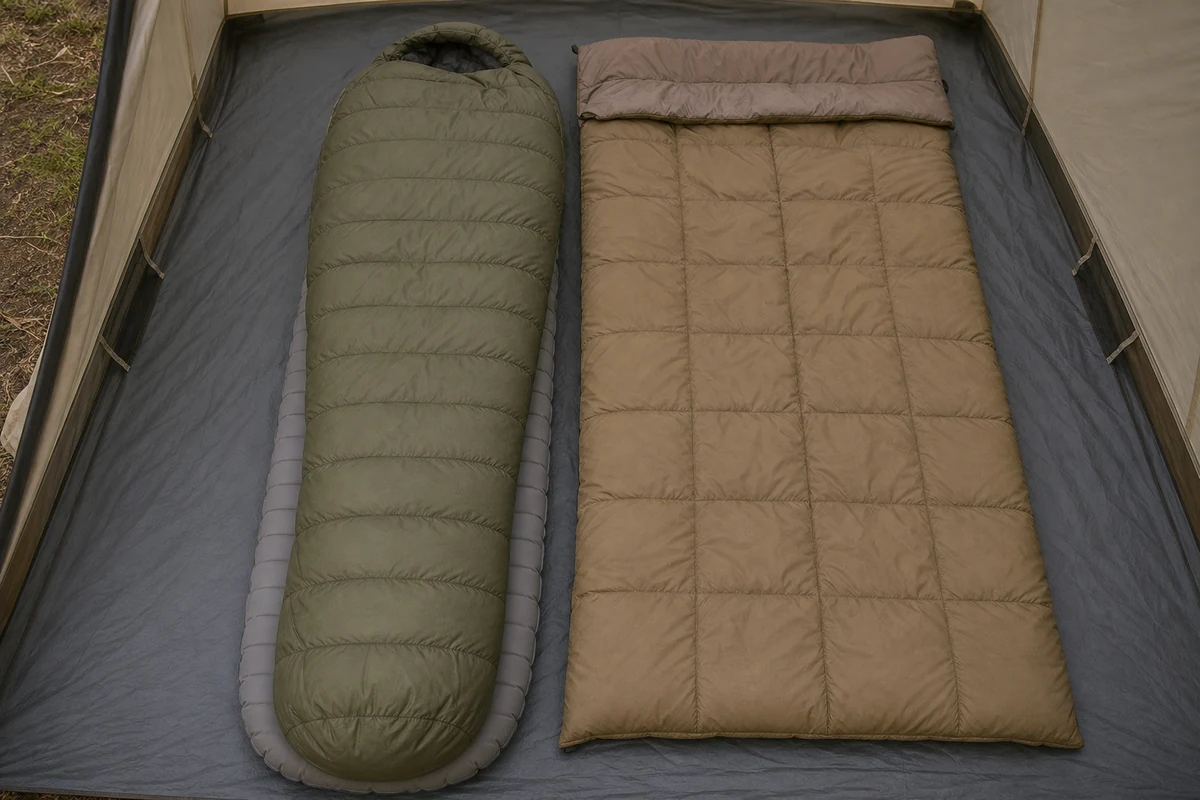
Getting the length, girth, and fit right
Buy the bag length that matches your height, because a bag that is too long leaves cold empty space at your feet and a bag that is too short crushes the insulation against you. Most bags come in regular and long, and some makers add short and extra-long.
Set up the fit the way you will actually sleep before you judge it, since a bag feels different loaded with a pad and clothing than it does on a showroom floor.
- Check the lengthLie down fully. Your feet should reach the footbox without stretching the bag tight.
- Test the girthTurn onto your side. You want room to move without a lot of slack to heat.
- Add your padPut the bag on the pad you will use, since a wide pad changes the fit.
- Cinch the hoodOn a cold-rated bag, draw the hood until only your face is exposed.
- Seal the draft collarClose the collar around your shoulders to keep warm air from escaping.
Women's bags are worth a look for anyone with a shorter torso or who sleeps cold, because they add insulation at the feet and core and run shorter with a narrower shoulder. Extra empty space is the enemy of warmth, so a bag that fits your body sleeps warmer than a bigger bag rated a few degrees lower.
How you store the bag between trips decides whether that fit stays true. Keep it loose in a large cotton or mesh sack at home and only compress it into the small stuff sack for the trip itself, because months crushed down flatten the fill for good, in synthetic and down alike. A bag that keeps its loft is the piece your camping kit leans on for warmth, so protecting it protects every cold night that follows.
The features that keep heat in
A few construction details separate a warm bag from a cold one at the same rating, and they are worth checking before you pay. Each one closes a path that heat uses to escape.
Look closely at how the insulation is held in place and how the bag seals around your body. The details below do the quiet work of keeping the rated warmth where it belongs.
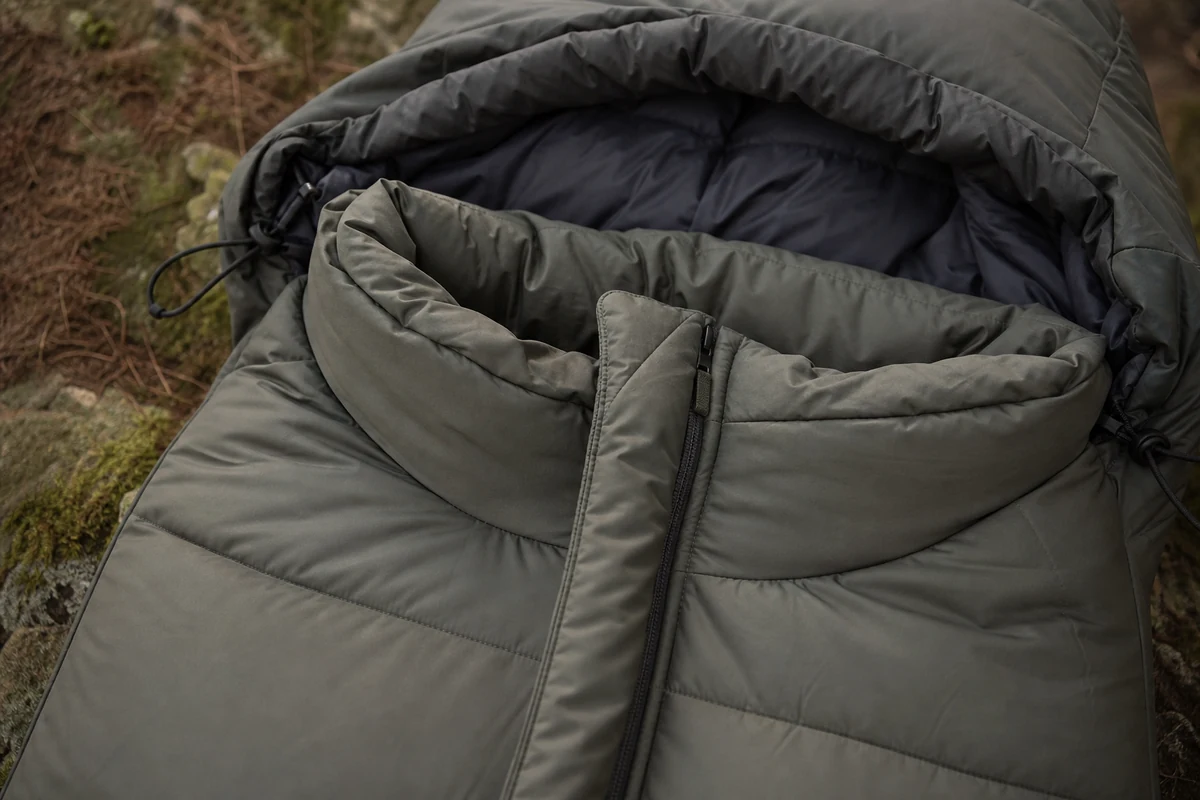
- A draft collar seals warm air around your shoulders on cold-rated bags
- A zipper draft tube runs the full zipper length so cold does not leak through the teeth
- An insulated, shaped footbox keeps toes warm instead of pressing flat
- A hood that cinches to your face on bags rated below freezing
- Continuous baffles let you shift down toward the top or bottom as needed
- A pad attachment or sleeve stops you rolling off the pad at night
Baffle construction matters most in cold bags. Sewn-through seams are light and cheap but leave cold lines where the stitching pinches the insulation flat, so a winter bag should use box or slant baffles that keep an even layer of down. On a bag you will use for high-altitude nights, the draft collar and hood do more for real warmth than one more step down in the rating number.
The zipper deserves a look of its own. A full-length zipper lets you vent a warm bag or open it flat like a blanket on a mild night, while a shorter zipper saves weight but traps heat you sometimes want to dump. Anti-snag guards along the zipper track matter more than they sound, because a zipper that chews the fabric every night is the detail people come to hate first. Matching left and right zippers on two bags also let them join into one, which suits couples who sleep warmer sharing heat.
What to spend and check before you buy
Weigh the bag and check its loft in the store, because the number on the tag says nothing about whether the down is fresh and fully lofted. Pull it from the stuff sack, give it a minute, and see whether it fluffs to a thick, even layer.
Price tracks fill quality and weight more than warmth. A three-season down bag runs about 200 to 450 dollars, a comparable synthetic runs 120 to 250, and a premium ultralight down bag climbs past 500 as the fill power rises.
A little upkeep doubles a bag's working life. Air it out after each trip, wash it only when it is genuinely dirty using a soap made for down or synthetic fill, and tumble it dry on low with a couple of clean tennis balls to break up clumped insulation. Cared for this way, a good bag stays a fixed part of your backpacking kit for a decade of trips rather than a few.
Spend first on the right rating and a fit that matches your body, then on fill power only if you need to save weight. If this is your sleep system for a first backpacking trip, a mid-fill 20°F mummy that fits you will out-sleep a pricier bag in the wrong size, and it pairs with an insulated pad to carry most nights you will meet.
Sources
The REI guide to choosing a sleeping bag explains EN and ISO temperature ratings, the comfort versus limit numbers, fill power, and bag shapes. OutdoorGearLab's sleeping bag testing compares down and synthetic performance, warmth for weight, and construction details across price ranges.
AnswersQuestions readers ask
What temperature rating do I need for three-season backpacking?
A 20°F comfort rating covers most three-season trips, including frosty alpine nights. Match the comfort number to the coldest night you expect and add a small margin, since most people sleep colder than the tag assumes.
Is down or synthetic better for a sleeping bag?
Down packs smaller, weighs less, and lasts longer, so it suits dry trips where weight matters. Synthetic keeps insulating when damp and costs less, so it suits wet climates and budget buys.
Does higher fill power mean a warmer bag?
No. Fill power measures down quality and loft per ounce, not total warmth. A 20°F bag with 800-fill and one with 650-fill sleep about the same; the higher fill power just makes the bag lighter and more packable.
What sleeping bag shape is warmest?
A mummy is the warmest and lightest because its taper leaves the least empty air to heat. Rectangular bags are roomier and more comfortable but heavier and draftier, and quilts are lightest for warm sleepers with a dialed pad setup.
How much should I spend on a sleeping bag?
A three-season down bag runs about 200 to 450 dollars and a comparable synthetic 120 to 250. Spend first on the right comfort rating and a fit that matches your body, then on fill power only if you need to save weight.