
Is Trekking Good Exercise When You Carry a Pack for Several Days?
Trekking can build endurance, leg strength, balance, and mental stamina when the load and recovery match your body.
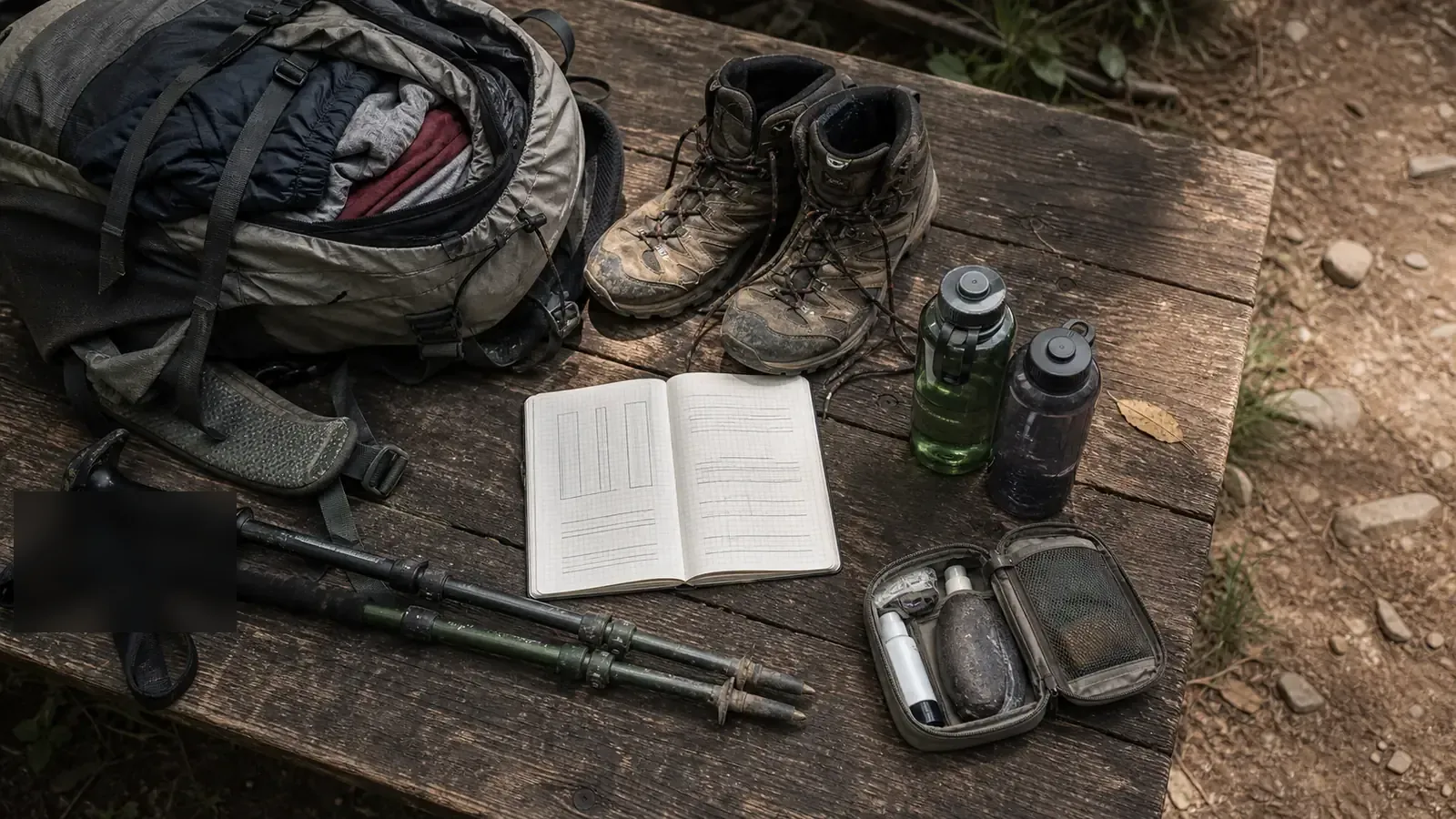
Yes, trekking is good exercise when the route, pack weight, pace, and recovery window fit your current fitness. It trains steady aerobic effort, legs, hips, core stability, balance, and long-duration stamina, but it can become too much if you treat a multi-day load like a normal walk.
Trekking is strongest as long, steady exercise. It is not a perfect replacement for strength training, speed work, or mobility work, but it asks your body to keep moving under changing terrain, weather, and load.
Repeatable effort is the fitness value. A trek is useful when you can finish one day, recover enough overnight, and still move well the next morning.
What does trekking train beyond ordinary walking?
Ordinary walking gives you time on your feet. Trekking adds terrain, load, decision fatigue, and repeated days, so the same basic movement becomes a broader test.
A steady uphill trail trains your heart and lungs because you work for long periods without stopping. Uneven ground trains ankles, calves, hips, and balance because every step asks for small corrections.
The pack changes the exercise again. Even a moderate trekking load asks your hips, trunk, and shoulders to stabilize the body while the legs keep climbing, descending, and stepping around obstacles.
Endurance
Long climbs and repeated hours teach the body to keep working at a controlled pace.
Leg durability
Quads, glutes, calves, and feet handle thousands of loaded steps.
Balance
Roots, rock, mud, stream crossings, and off-camber tread train foot placement.
Core control
The trunk keeps a loaded pack from pulling each step off line.
Mental stamina
Weather, fatigue, camp chores, and small discomforts require calm decisions.
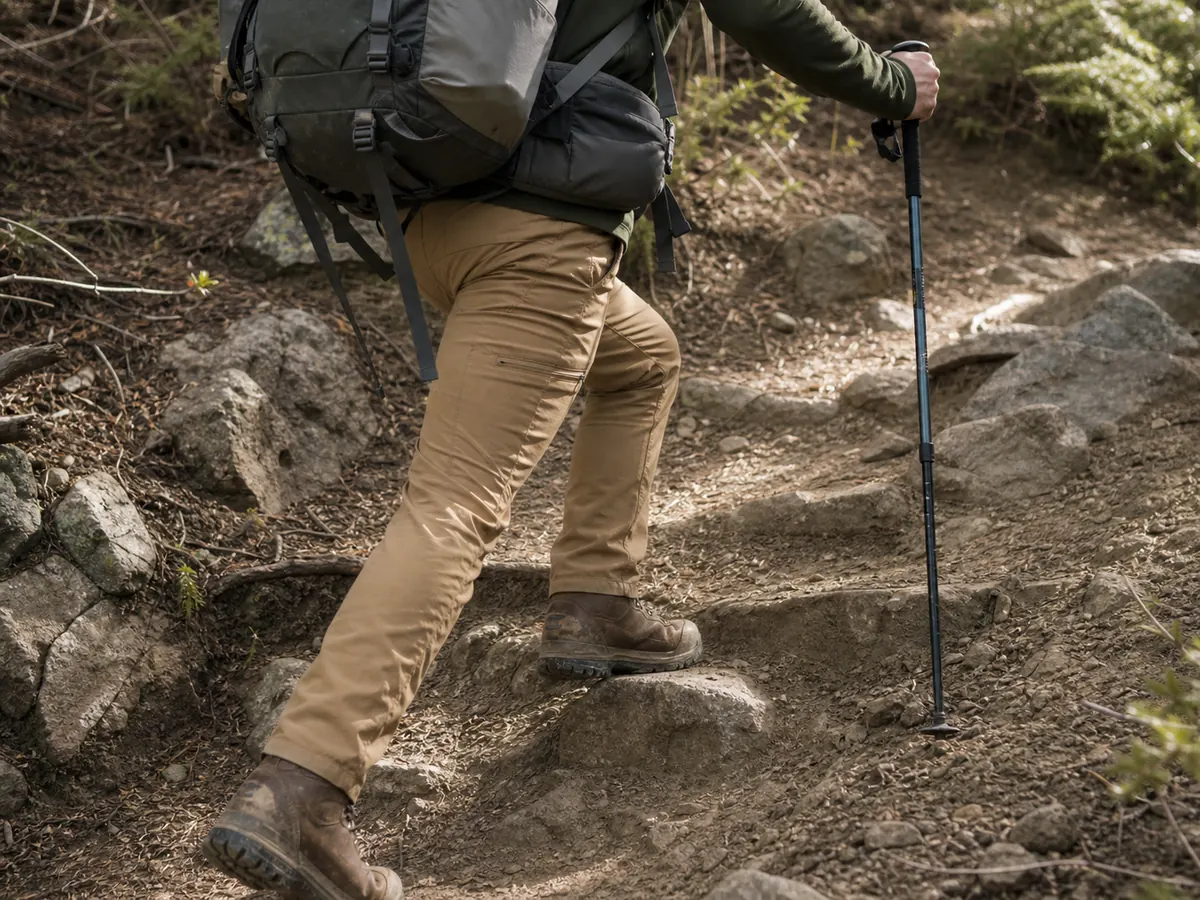
Trekking differs from the same-day exercise described in hiking exercise benefits because the body does not reset at home after one route. The next morning becomes part of the workout.
The load teaches control. If the pack makes your stride sloppy, the exercise has already moved past useful difficulty.
Four variables decide whether a trek trains you
Trekking feels hard because time, pack weight, terrain, and repeated days stack together. None of those variables needs to be extreme for the day to count as exercise.
The best training effect usually comes from a moderate pace you can repeat. A pace that feels heroic on day one can damage day two if it leaves sore knees, hot spots, poor appetite, or heavy fatigue.
| Variable | How it helps fitness | When it becomes a problem |
|---|---|---|
| Time on feet | Builds aerobic base and walking durability | Long hours hide foot damage until late |
| Pack weight | Trains hips, trunk, shoulders, and posture | Too much weight changes stride and balance |
| Elevation change | Builds climbing and descending endurance | Big descents overload tired quads and knees |
| Rough terrain | Improves foot placement and balance | Constant correction raises fatigue and fall risk |
| Back-to-back days | Builds repeatability and recovery skill | Poor sleep or nutrition compounds quickly |
The trekking training plan should prepare these variables separately before you combine them. Build walking hours first, then add hills, then add pack weight, then practice repeated days.
Pack choice matters because weight and access change the workout before the trail even starts. The trekking packing list keeps the load focused on shelter, water, food, insulation, and safety instead of carrying extras that only add joint stress.
Stack variables slowly. A longer day, heavier pack, steeper climb, and rougher trail should not all arrive at once.
When is trekking a cardio workout?
Trekking is good cardio when your effort stays in a steady zone for much of the day. You should breathe harder than at rest, feel warm, and still be able to speak in short sentences on normal terrain.
If every climb forces stops after a few steps, the trek is above your current aerobic base. If the whole day feels like casual sightseeing with no sustained effort, it may still be healthy movement, but it is not a strong cardio workout.
- You can talk in short phrases during normal climbs.
- You recover within a few minutes after a harder pitch.
- Your pace stays similar before and after lunch.
- Your feet and knees still let you descend carefully.
- You can set camp or reach lodging without feeling frantic.
- You wake up able to walk normally the next morning.
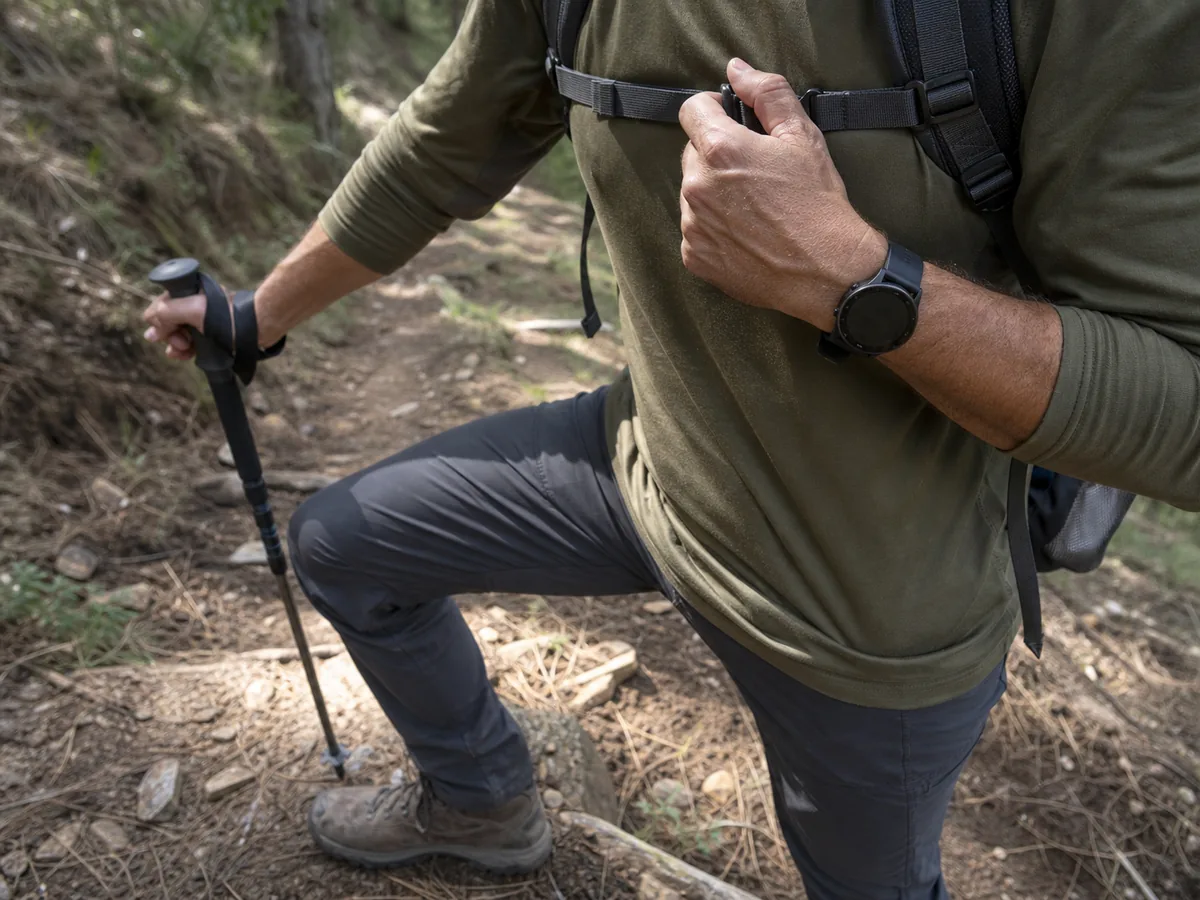
A trek can easily meet a weekly movement goal by time, but time alone does not prove the intensity was right. Adults are commonly advised to spread moderate activity through the week and include muscle-strengthening work on separate days, so trekking should sit inside a broader fitness routine rather than replace every other kind of training.
Aerobic base grows from repeatable work. Trekking raises the cost of guessing wrong because an over-hard day has to be carried into tomorrow.
Breathing is feedback. A useful trekking pace feels steady, not panicked.
How does pack weight help or hurt the workout?
A trekking pack adds strength demand, but only while your movement stays clean. The goal is not to carry the heaviest load you can tolerate.
Useful pack weight makes posture, hips, and feet work harder without changing your stride into a shuffle. Risky pack weight pulls the shoulders back, makes descents clumsy, creates hot spots, or forces long rests that shorten the safe day.
Heavy loads also hide poor packing. Weight carried far from the back or high above the shoulders can feel worse than the same weight packed close and balanced.
The first trek planning process should limit distance and climb until you know how the loaded pack feels after several hours.
Many common trekking mistakes start when people treat pack discomfort as normal instead of changing the plan early.
Fit beats weight bragging. A smaller, balanced load gives better exercise than a heavy load that teaches bad movement.
How do descents and recovery reveal a useful workout?
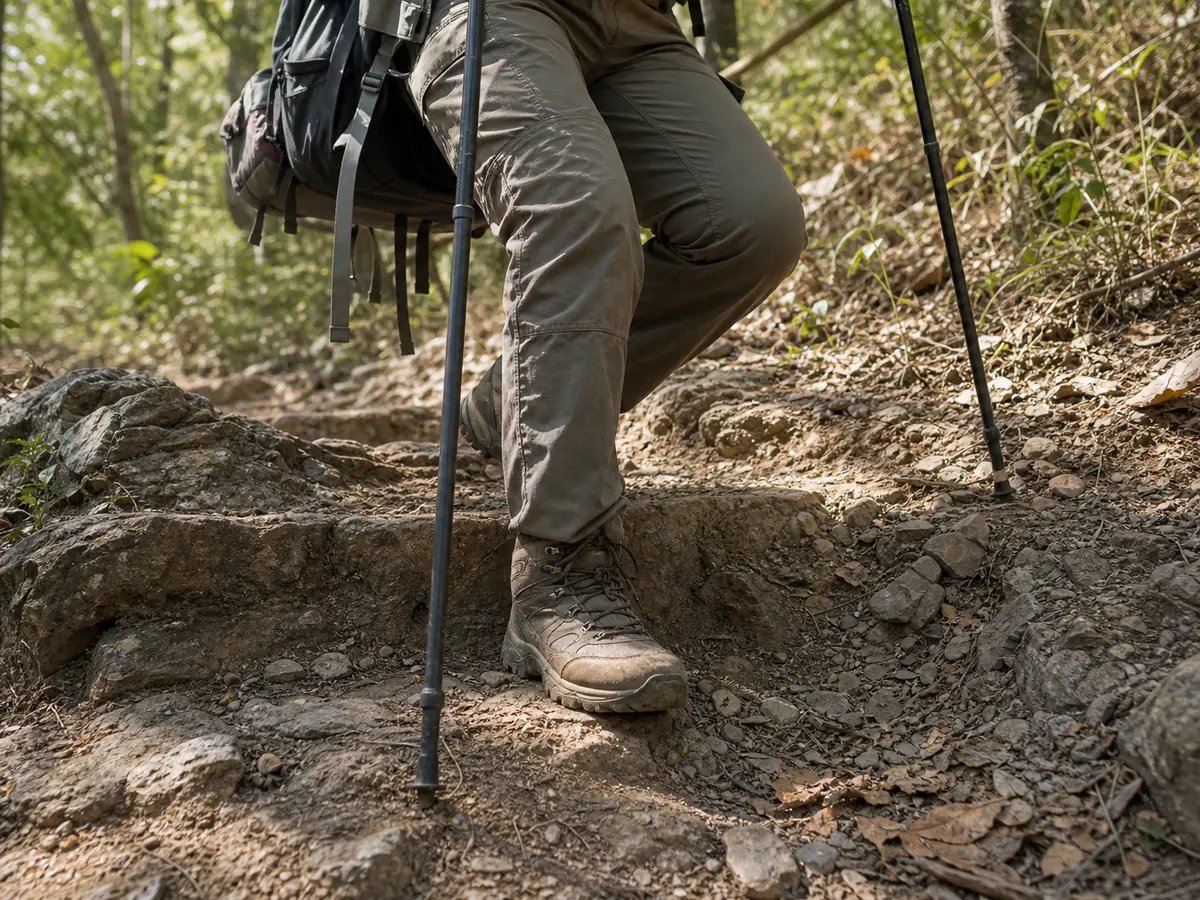
Climbing feels like the workout, but descents often decide how your body feels later. Tired quads must brake your body and the pack at the same time, which can make the last miles harder than the first climb.
Good trekking fitness shows up as controlled downhill steps, steady foot placement, and no rush to collapse at camp. If you stumble more often late in the day, the workout is no longer only about cardio.
| Recovery sign | Good signal | Scale back when |
|---|---|---|
| Feet | Warm spots settle after care | Blisters change your stride |
| Knees | Normal tiredness fades after rest | Pain changes how you descend |
| Appetite | You can eat and drink normally | Nausea or low appetite makes fueling hard |
| Sleep | You wake stiff but functional | Poor sleep makes balance and mood worse |
| Mood | You can make calm choices | Irritability or confusion changes decisions |
A rain trekking routine raises recovery demand because cold, wet gear and slower chores make the same mileage cost more.
A winter trekking system adds shorter daylight to that cost, so recovery work must start earlier.
Tomorrow is the test. A trek was productive exercise when your body can repeat safe movement after rest.
Calories burned is a poor measure of a trek
Trekking can burn a lot of energy because it combines hours of movement with pack weight, climbing, and temperature stress. That does not make calorie burn the best measure of success.
If you chase calorie burn, you may under-eat, under-drink, skip breaks, or push a pace that damages feet and recovery. The better goal is steady fueling that keeps mood, warmth, coordination, and pace stable.
- Eat small amounts before hunger turns sharp.
- Drink before thirst drives the whole decision.
- Carry salty snacks when the day is hot or sweaty.
- Keep food reachable so breaks do not require a full unpack.
- Notice appetite loss because it can signal that effort is too high.
- Match dinner to tomorrow's mileage, not only today's hunger.
Water planning is part of the exercise decision because dehydration makes a moderate day feel much harder. The water carry plan should account for heat, climb, refill certainty, and the time between sources.
Fuel supports movement. The best trek is not the one that empties you the most.
Who should keep trekking easy at first?
Beginners, returning hikers, older adults, people carrying a new pack, and anyone managing a medical condition should make the first trek easier than their ambition. That does not mean avoiding trekking.
It means using a route where the body can learn without a long rescue problem.
A first trek should apply trekking beginner basics through modest mileage, clear water, simple navigation, legal sleep stops, and a realistic exit.
New trekker
Choose a short supported route and learn how the body feels on morning two.
Strong day hiker
Reduce mileage until the overnight load feels normal.
Older adult
Favor steady terrain, balance practice, and conservative recovery time.
Parent or group leader
Set the pace by the slowest recovery, not the fastest walker.
Solo trekker
Keep margin larger because no partner can share gear, decisions, or help.
Family pacing adds another layer because children may feel fine until they suddenly do not. The trekking with kids plan should keep the exercise benefit secondary to warmth, food, morale, and sleep.
Traveling alone also changes the fitness question. A solo trekking plan needs enough reserve for navigation, camp chores, bad weather, and a controlled exit if effort rises too high.
Easy is strategic when the body is still learning the load.
How do you build trekking fitness without overdoing it?
Use trekking as one part of training, not as the only training. Walk often, add hills, practice with a light pack, and use short overnight trips to test recovery before longer routes.
Progression should change one main variable at a time. If you add pack weight this week, keep distance and climb familiar.
If you choose a rougher trail, keep the pack lighter and the day shorter.
- Start with frequent walksBuild a base where easy walking feels normal several days per week.
- Add hills without a heavy packTeach the legs to climb and descend before load complicates balance.
- Practice with a light packLearn shoulder, hip belt, pocket, and water access before longer days.
- Try back-to-back walksCheck whether feet, knees, appetite, and mood recover overnight.
- Book a short first trekKeep camps, exits, and daily mileage conservative.
- Review the next morningJudge the workout by movement quality, not only soreness.
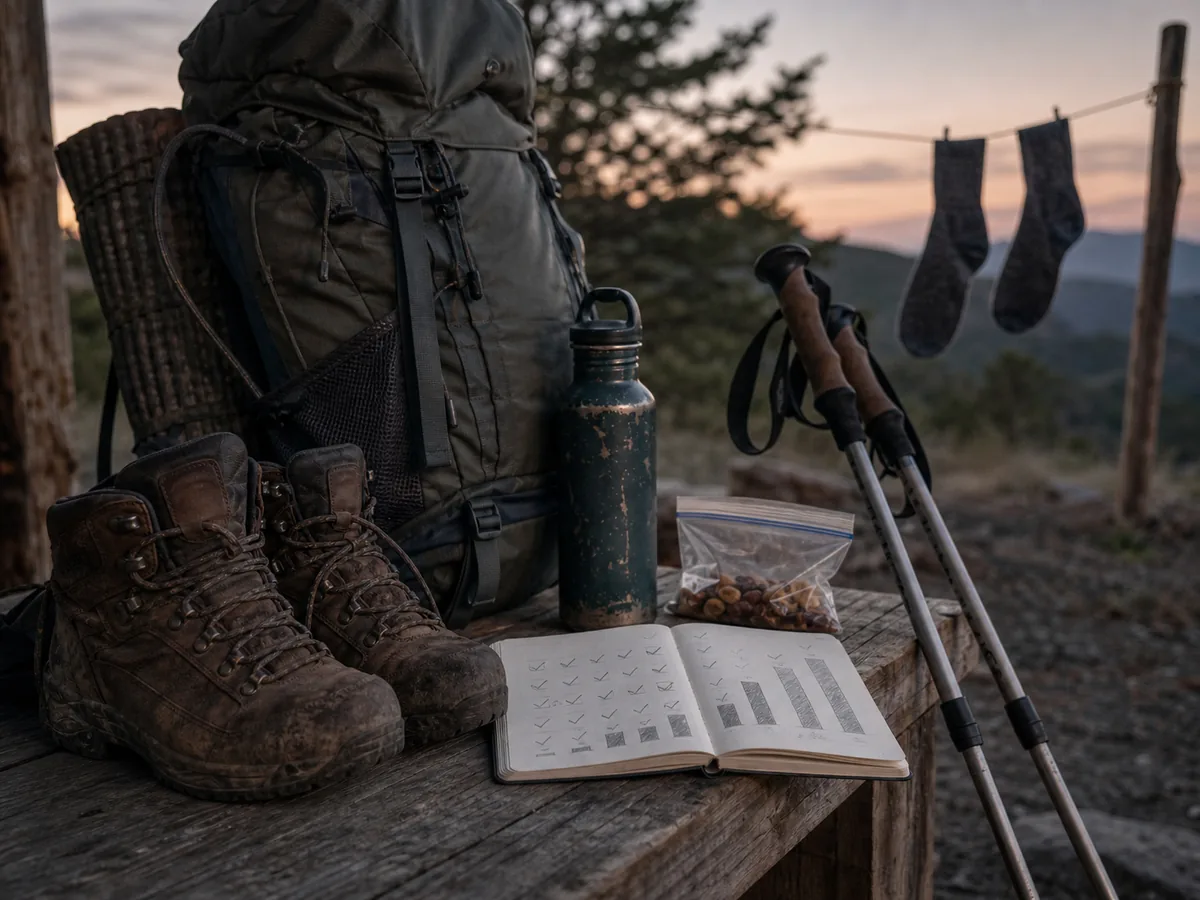
The hiking and trekking comparison is useful when a route sits between a long day hike and a first trek. If the trip includes sleep, repeated food needs, or a heavier pack, train for the harder category.
Trekking still requires effort after the main walking stage ends. Passing, collecting water, and sharing camp add movement and timing that should be included when you judge the full training load.
Progression prevents regret. You get fitter when the trek is hard enough to adapt to and controlled enough to recover from.
How much weekly exercise can a trek cover?
A trek can supply many minutes of aerobic activity, but not every minute on the route has the same intensity. Flat walking with frequent stops may be light effort, while a steady loaded climb may be moderate or vigorous for the same person.
The CDC target for most adults is at least 150 minutes of moderate aerobic activity each week. The alternative is 75 minutes of vigorous activity, or an equivalent mix, plus muscle-strengthening work on two or more days.
Use the talk test to sort the moving time. Moderate effort lets you talk but not sing, while vigorous effort limits you to a few words before another breath.
Do not count time spent cooking, resting, navigating at a stop, or sitting in camp as aerobic exercise. Count the periods when your body is moving hard enough to raise breathing and heart rate.
One long weekend can exceed the weekly minute target. That does not make a sudden hard trek a sound substitute for regular activity because your feet, tendons, joints, and downhill control still need gradual exposure.
Spread easy walking and recovery through the following week. A trek that leaves you limping or unable to train for several days may have created more fatigue than useful progression.
A watch may report more active minutes than the talk test suggests. Use one method consistently across similar outings, then judge progress by steadier movement and better recovery rather than the largest device total.
Minutes count only with recovery. The goal is a repeatable week, not one oversized total.
These are general public-health targets, not a route prescription. Age, pregnancy, disability, chronic conditions, medication, heat, altitude, and recent illness can change what effort is appropriate.
Trekking still misses a few kinds of fitness
Trekking trains muscular endurance more than maximum strength. Your legs repeat thousands of submaximal steps, but they may never receive enough resistance to build strength across a full range of motion.
Upper-body pulling and pushing receive little work. A pack asks the shoulders and trunk to hold position, but that is different from rows, presses, carries, or controlled floor exercises.
Balance work on a trail is useful but unpredictable. Strength practice lets you train one leg, one direction, and one movement at a time without a loose rock deciding the load.
Use two weekly strength sessions to cover the gaps. Squats or sit-to-stands train knee and hip extension, step-ups match climbing, calf raises support repeated push-off, and controlled step-downs prepare the quads to brake on descents.
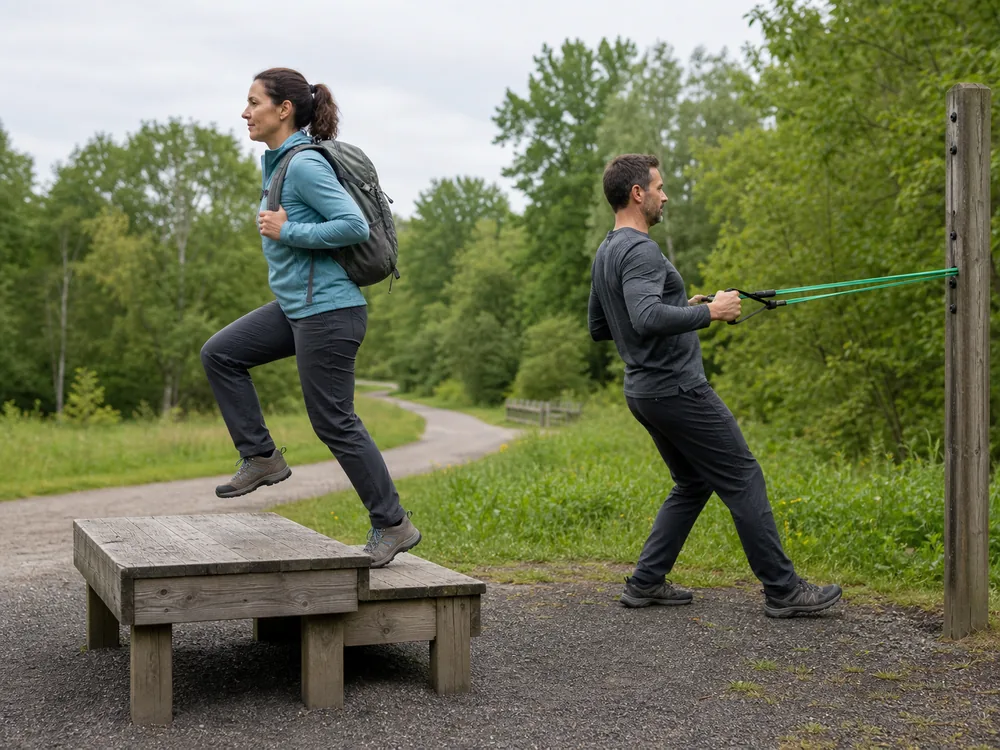
Add a hip hinge, a pulling movement, a pushing movement, and a loaded carry when those exercises fit your experience and health. Start with a resistance that lets every repetition stay controlled.
Mobility also needs deliberate attention when boots, long sitting, or a heavy pack limit ankle and hip movement. A few comfortable ankle, calf, hip, and upper-back drills can expose restrictions before a steep trail does.
Rest is part of the plan. Hard strength work immediately before a loaded descent can leave the legs tired before the trek begins.
Place demanding leg sessions far enough from the trip that normal movement has returned. Afterward, wait until swelling, altered gait, and sharp pain are absent before adding load again.
Use training records to separate fitness from route difficulty. Note moving time, pack weight, climb, surface, sleep, soreness, and next-morning movement instead of recording only distance.
The same distance can create a different workout when mud slows every step or a long descent demands constant braking. Comparing similar routes gives better feedback than chasing one large mileage number.
Heart-rate data can add context, but wrist sensors may vary with cold, motion, fit, and skin contact. Breathing, speech, coordination, and recovery still matter when the device gives an unexpected number.
Stop treating pain as proof of a productive session. Muscle fatigue can be normal, while sharp pain, swelling, or a changed gait is a reason to reduce load and seek qualified care when it persists.
Trekking needs supporting strength because the trail cannot train every movement evenly.
Is trekking good exercise overall?
Trekking is good exercise because it trains endurance, legs, balance, load carriage, and recovery across real terrain. It is especially useful for people who want fitness that transfers to long outdoor days rather than short gym efforts.
It is not automatically safe exercise just because it is walking. Pack weight, descents, heat, cold, altitude, wet gear, poor sleep, and repeated days can turn a healthy challenge into a problem.
Choose a trek you can finish with clean movement and enough reserve to make good decisions at the end. That is the difference between useful fitness and a trip that only proves you started too hard.
Good exercise is repeatable. The win is not being wrecked.
The win is walking well today and still having enough body left for tomorrow.
Sources
The CDC summarizes adult activity guidance, including weekly moderate-intensity aerobic activity and muscle-strengthening days: Adult Activity: An Overview. The Office of Disease Prevention and Health Promotion publishes the national Physical Activity Guidelines for Americans: Physical Activity Guidelines.
The National Park Service trip-planning guide advises outdoor visitors to plan ahead, check conditions, stay aware during the trip, and use a backup plan when needed: NPS Trip Planning Guide. Fitness still needs judgment because outdoor exercise happens inside weather, terrain, daylight, and exit limits.
Step by stepPractical steps
- Build frequent walking before adding hard hills or pack weight.
- Increase only one major variable at a time: time, load, climb, terrain, or repeated days.
- Use breathing, foot comfort, downhill control, appetite, and next-morning movement as feedback.
- Keep early treks short enough that you can recover and make calm decisions.
- Treat trekking as endurance training, not a contest to carry the heaviest pack.
AnswersQuestions readers ask
Is trekking better exercise than walking?
Trekking is usually harder than ordinary walking because it adds terrain, pack weight, longer time on feet, and often repeated days. Walking is still valuable, and it is the better starting point before loaded trekking.
Does trekking build muscle?
Trekking builds muscular endurance in the legs, hips, calves, feet, trunk, and shoulders, especially with a pack. It does not replace dedicated strength training for maximal strength or balanced upper-body work.
Is trekking good cardio?
Yes, when the pace creates sustained moderate effort. You should breathe harder than at rest and still be able to speak in short phrases on normal terrain.
How often should I trek for fitness?
Most people should not rely on hard treks every week. Use regular walks, hills, strength work, and occasional short treks so your body adapts without carrying fatigue into every outing.
Can beginners use trekking to get fit?
Yes, but the first trips should be short, supported, and conservative. Beginners should build walking time and pack comfort before choosing remote routes, heavy loads, or big elevation days.