
When Does Hiking in the Heat Become Too Risky to Continue?
Plan hot hikes around shade, water, pace, timing, and early warning signs before heat starts making decisions for you.
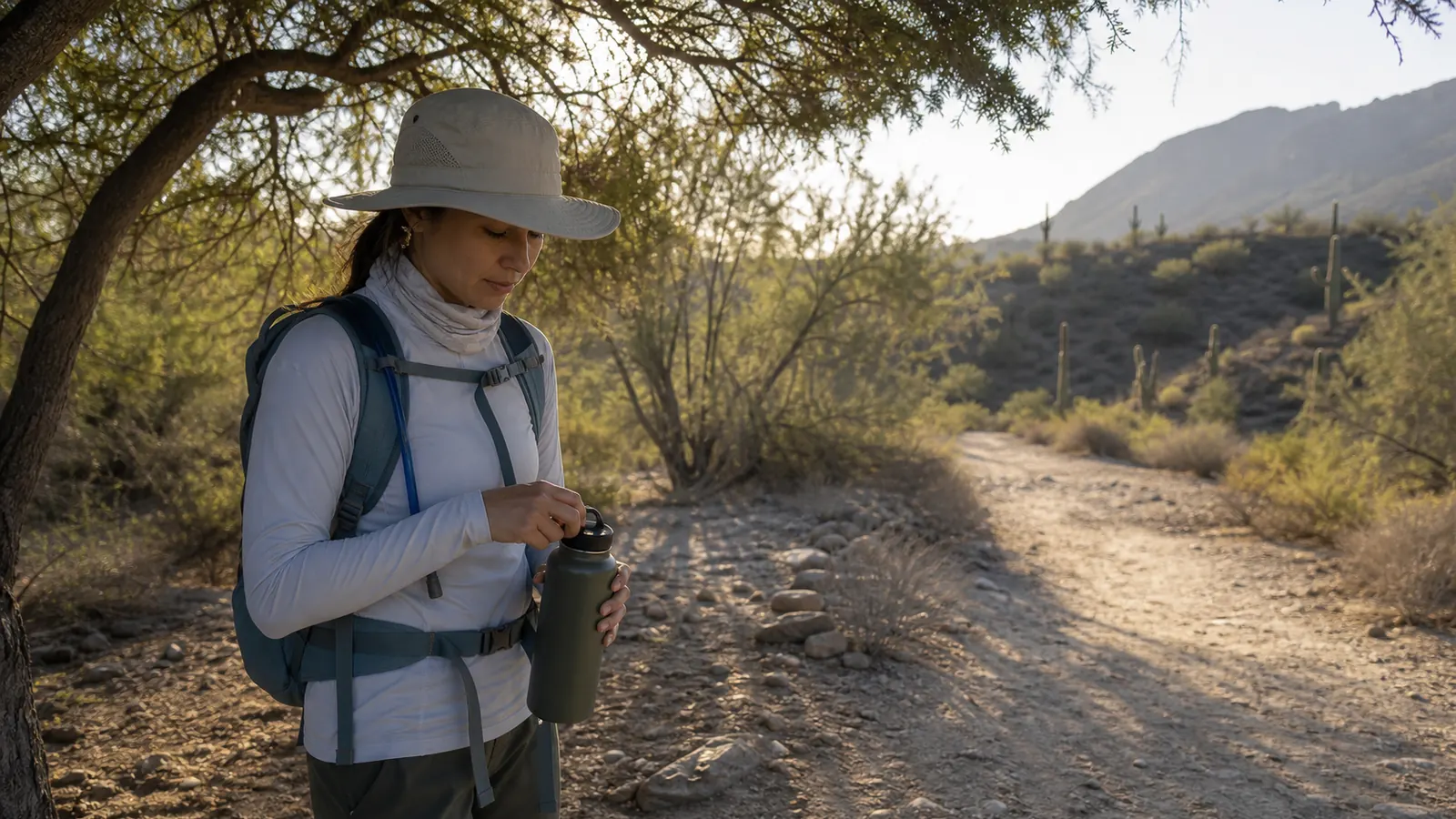
There is no single temperature that makes every hike unsafe. Decide from air temperature, humidity, sun, wind, route exposure, duration, acclimatization, health, water, shade, and official heat warnings, then choose a shorter, earlier, slower route or stay off the trail.
Heat rewrites the difficulty of a trail you already know
Heat makes the same trail cost more.
Your body spends energy cooling itself, water runs out faster, shade matters more, and small delays become more expensive. The cutoff changes with the person and the route, so one air-temperature number cannot answer how hot is too hot.
The safest hot-weather plan is usually shorter, earlier, slower, and shadier than your normal hiking plan.
Do not wait until the day feels extreme. Warm temperatures, direct sun, still air, and a climb can add up even when the forecast does not sound dangerous.
Heat shrinks margin before the trail looks hard.
- Shorten the route before adding effort.
- Start early enough that the hardest climb is not in peak sun.
- Choose shade, known water, and easy exits over a bigger view.
- Carry more water and salty food than the same route needs in cool weather.
- Turn around when symptoms, low water, slow pace, or poor shade combine.
If the route already feels close in mild weather, the hiking safety tips margin should push you toward a smaller objective. Heat should reduce the plan, not prove toughness.
- Forecast
- Air temperature, humidity, hourly trend, warnings, HeatRisk, and air quality
- Exposure
- Full sun, still air, reflected rock, road surface, climb, and duration
- Cooling
- Shade, airflow, loose clothing, lower effort, and planned breaks
- Group
- Acclimatization, age, health, medications, recent sleep, and current symptoms
- Water
- Measured use, reliable refill, salty food when appropriate, and return reserve
- Exit
- Mapped fallback and triggers for symptoms, pace, shade, water, or route change
Heat index combines temperature and humidity, but it assumes shade and light wind.
The National Weather Service says full sunshine can make conditions feel up to 15°F hotter. Heat index also may not represent active people or low-humidity environments well, so use it as one warning input instead of a hiking permission number.
Check official HeatRisk, heat alerts, and air quality along with the hourly forecast. When several inputs are poor, choose a cooler time, shaded replacement route, or another day.
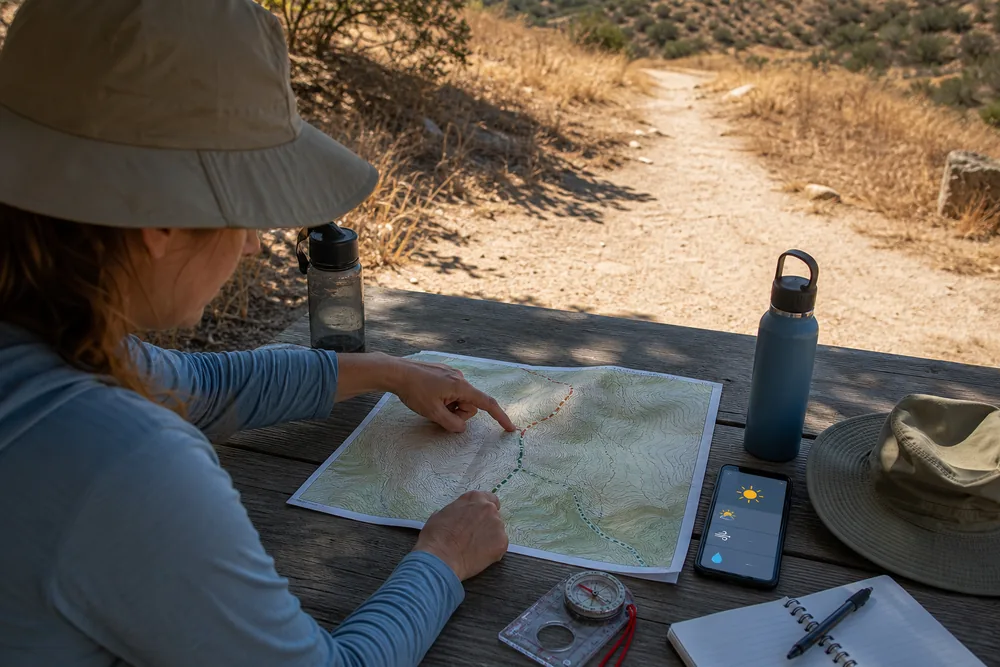
Shade, water, and bail-outs decide a hot-weather route
Pick shade, easy exits, and lower effort before scenery. A hot trail should let you turn around quickly if water drops, the group slows, or the sun reaches the exposed section earlier than expected.
Avoid long committed loops, dry ridges, road walks, steep climbs after late morning, and routes where the hardest part comes near the end.
Pay attention to aspect and surface. South-facing slopes, pale rock, sand, and road approaches can feel hotter than a shaded forest trail with the same mileage.
Choose the exit first on hot days.
Pros
- Shaded out-and-back routes keep the return obvious if water or pace changes.
- Early climbs let the hardest effort happen before the day peaks.
- Known refill points help only when they are current, legal, and safe to use.
Cons
- Long exposed loops force the group to keep moving after heat has already changed the day.
- Dry ridges, road walks, and pale rock can feel hotter than the forecast suggests.
- A late steep climb leaves fewer good choices when people are already warm.
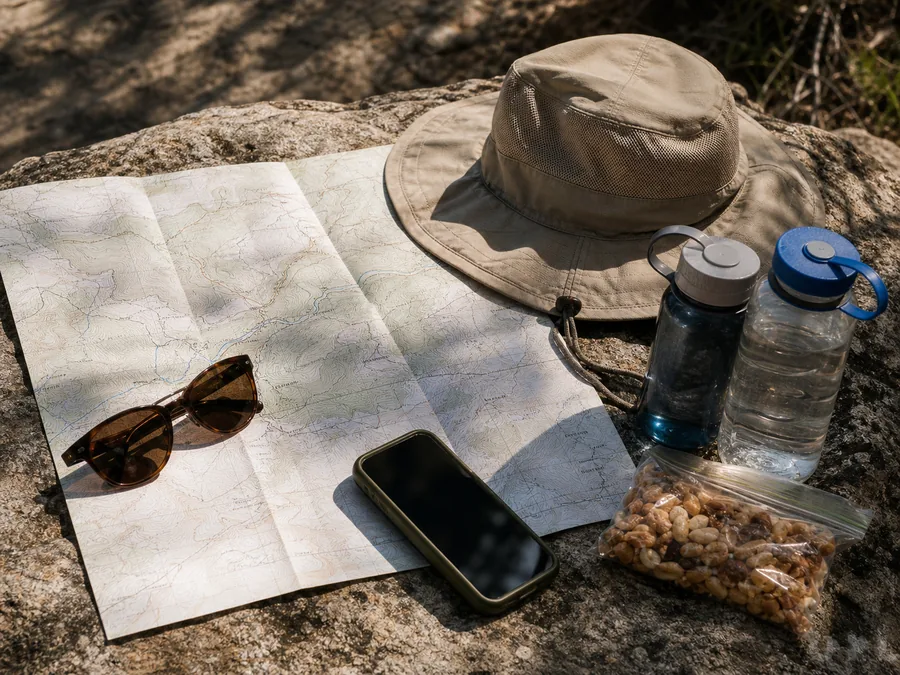
The trail choice process becomes stricter in heat because distance, climb, and exposure all raise water and recovery needs.
How much water and salt should you carry?
Carry enough water for time, heat, climb, and the slowest hiker, with a return reserve. A universal bottle count is unsafe because sweat rate, humidity, sun, effort, body size, and reliable refill options vary.
Bring familiar salty food or an electrolyte option when the hike is long and sweaty. Do not use salt as permission to extend the route, and follow medical advice if you have a sodium or fluid restriction.
Plan water for the return, not only the summit or viewpoint. If half the water is gone before the halfway point, the plan has already changed.
Drink before thirst becomes the only cue.
| Heat signal | What it means | Better adjustment |
|---|---|---|
| Dry mouth early | Pace or exposure is high | Slow down and drink now |
| Half water gone early | Return margin is shrinking | Turn around or shorten |
| Water use above the test rate | Exposure or effort is higher than planned | Shorten before the reserve disappears |
| Salt crust on clothing | Heavy sweat loss | Eat salty food with water |
| Warm water only | Drinking becomes less likely | Keep one bottle shaded in the pack |
A water carry plan should happen before the trailhead. If the math feels tight, the route is too big for the heat.
Measure a personal water-use rate on an easier route
Use a one-hour hot-weather walk on easy ground with a simple exit. Record the starting water, the amount remaining after the hour, the conditions, effort, shade, and how you felt.
Repeat on another day before treating the result as a planning baseline.
Multiply the observed hourly use by the planned moving and break time, then add a return and delay reserve.
This is a route-sizing tool, not a drinking command. If the resulting carry is impractical, choose a shorter route or verified refill rather than forcing the original mileage.
At the first hour, compare actual use with the ledger. If the group used 0.8 liter when the plan allowed 0.5, recalculate the return immediately.
Do not assume later miles will use less water when the day is still heating.
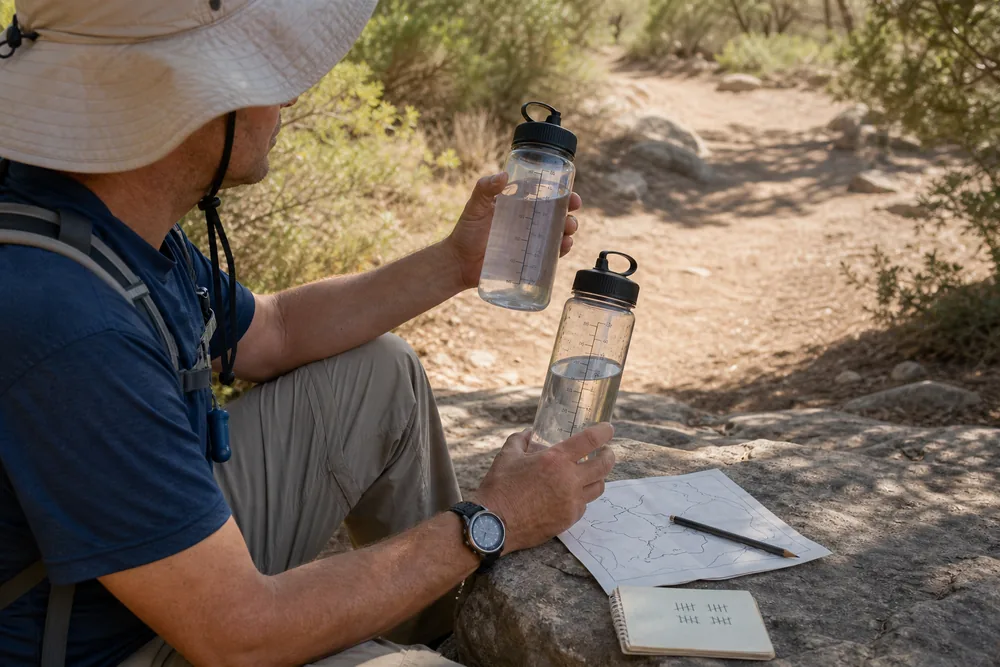
Timing, shade, and surface belong in the water plan
Water planning fails when it treats every mile the same. The hot mile on pale rock, open road, or a south-facing climb can cost more than a shaded mile in the same route description.
Look at where the hardest section falls on the clock.
A route that climbs in shade at 8 a.m.
may be reasonable. The same climb at 1 p.m.
can turn the return into a slow water problem.
Plan the hot section, not only the total distance.
Morning climb
Usually safer because effort happens before the day peaks.
Midday ridge
Needs a shorter route, stronger water margin, and clear exit.
Hot rock
Raises foot heat and reflected sun even when air temperature seems moderate.
Dry creek
Removes the refill you may have counted on from an old report.
Long road walk
Adds heat from surface, traffic noise, and low shade.
If shade disappears earlier than expected, shorten the hike while everyone is still moving well. Waiting until the group is already overheated makes even the correct decision slower.
Why does a hot trailhead need a go-or-shorten check?
Do the honest check before the group leaves shade at the car. Look at the actual temperature, wind, cloud cover, water amount, group condition, and whether the route still has a simple exit.
If someone already feels tired, forgot a hat, has less water than planned, or does not know the turnaround time, the route should shrink before the first mile. Heat makes every later fix slower.
Fix the plan at the trailhead while the car, shade, and extra water are still close.
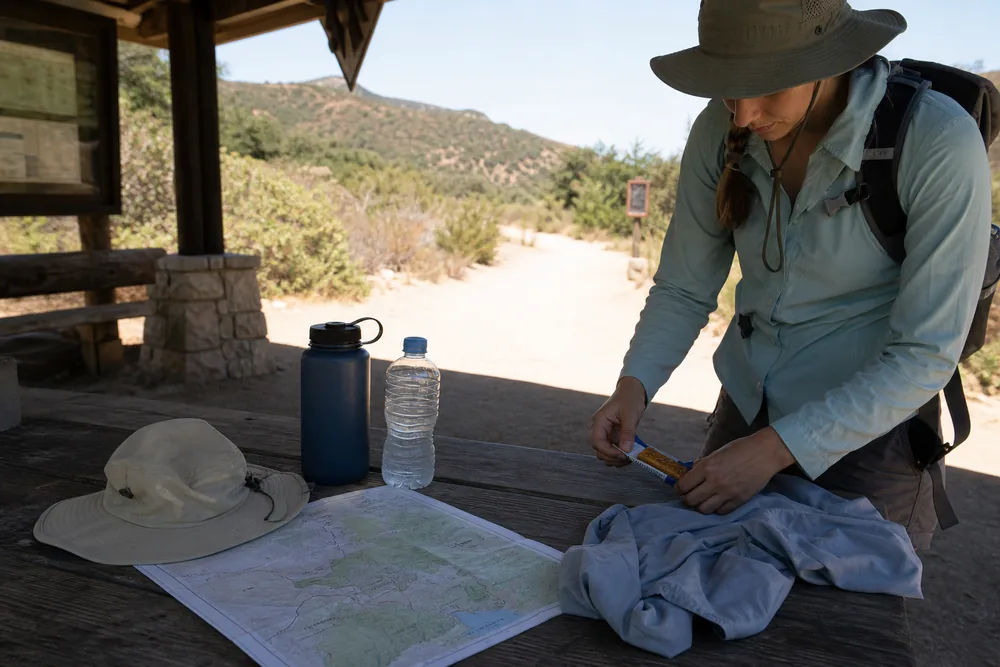
Use the same check after the first mile. If the first mile took longer than expected, water is already lower than planned, or shade is thinner than the map suggested, the day has given you new data.
Do not protect the original plan after that data arrives. Heat rewards the group that adjusts early and punishes the group that waits until the only choices are slow, hot, and far from the car.
Write the shorter option down before you start. A named fallback route is easier to choose than an abstract promise that the group will be smart later.
That fallback needs the same day hike checks as the original route. A shorter line on the map still needs daylight, navigation, water, and a trusted-contact plan.
Clothing has to shade you without trapping heat
Cover skin with light, breathable fabric when sun exposure is strong. A wide-brim hat, sunglasses, sunscreen, and a loose sun shirt often beat bare skin on long exposed trails.
Choose socks and shoes that manage heat and swelling. Feet can rub more in hot weather because sweat, dust, and swelling change fit as the day goes on.
Keep sunscreen and lip protection reachable. Reapplying during a shade break is easier than stopping later on an exposed slope after skin already feels hot.
Shade your skin instead of waiting until it burns.
Head
Wide brim, cap with neck shade, or buff that keeps sun off.
Torso
Light long sleeves when exposure is long.
Hands
Sunscreen or sun gloves for poles and open trails.
Feet
Smooth socks and room for swelling.
Breaks
Bandana or shirt that can be cooled with safe water.
Eyes
Sunglasses reduce glare on exposed rock, snow, and pale ground.
Spare layer
Keep one dry light layer for a delayed return after sweat or cooling stops.
Do not strip the pack so far that weather margin disappears. The hiking packing list still includes light, navigation, first aid, and a layer if the route can cool after sunset.
How should pace and breaks protect cooling?
Start slower than usual and keep effort boring. Heat punishes surges because the body may need several minutes to cool after one hard climb.
Use shade before you feel desperate for it. Short planned stops can keep the group moving better than one long overheated stop after the pace has already broken.
Move hard tasks out of the sun when you can. Map checks, snack breaks, blister tape, and layer changes should happen in shade so the stop actually cools the group.
Do not confuse fitness with heat acclimatization.
The CDC says acclimatization develops gradually over about 7 to 14 days of repeated heat exposure. A fit visitor arriving from cool weather may still need a much smaller first hot hike.
That first hot route should keep the simple exits and predictable surface of a beginner hiking plan you already know. Familiar terrain leaves more attention for water, shade, pace, and symptoms.
Time away matters too.
After a week or more without heat exposure, lower the first route again and rebuild gradually. Do not copy an occupational heat schedule as a hiking prescription.
Use the principle behind it, which is to add heat exposure in controlled steps rather than all at once.
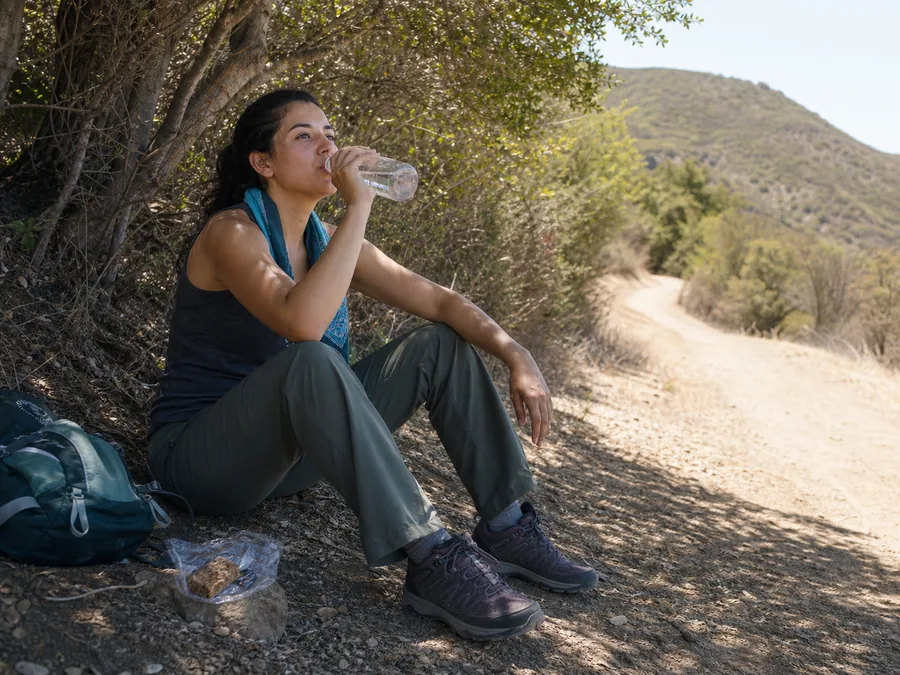
Pace for cooling, not for your fastest cool-weather speed.
- Start below normal paceKeep the first mile easy enough for normal conversation.
- Check the first shade stopCompare water use, symptoms, and elapsed time with the plan.
- Move tasks into shadeHandle food, maps, feet, sunscreen, and clothing where the stop can cool you.
- Add heat graduallyUse shorter exposure across several days before a demanding hot route.
- Recheck after time awayReduce duration and effort after a week or more out of the heat.
- Shorten while choices remainUse the planned exit when pace, water, or shade is worse than expected.
If the route is part of a fitness plan, separate training from heat exposure. Hiking fitness training builds capacity, but hot weather still needs a lower effort ceiling.
One fast first mile is a common way to create a slow, hot return. The common hiking mistakes are easier to prevent when the group agrees that early speed is evidence to slow down, not evidence that the route is easy.
Which warning signs should stop the hike?
Stop and cool down when someone develops a headache, nausea, dizziness, unusual weakness, cramps, heavy sweating, or a sudden drop in pace. Treat these as action signs rather than a test of toughness.
Move the person to shade, stop exertion, loosen extra clothing, cool wet skin, and give small sips if the person is alert and can swallow normally. End the hike.
Do not send the person down the trail alone.
Confusion, slurred speech, seizure, collapse, unconsciousness, or a very high body temperature can indicate heat stroke.
Skin may be dry or still sweating, so sweating status does not rule it in or out. Call emergency services and start rapid cooling while help is on the way.
Heat problems often appear as behavior changes before they look dramatic. Watch for poor decisions, stumbling, irritability, silence, repeated wrong answers, or someone refusing water when they normally drink.
Heat signs need action while the exit is still simple.
| What you see | What to do now | What happens next |
|---|---|---|
| Headache, nausea, dizziness, weakness, cramps, or heavy sweating | Stop in shade, loosen clothing, cool skin, and sip water if alert | End the hike and monitor closely |
| Pace collapse or clumsy movement without confusion | Stop exertion and reassess after cooling | Use the easiest exit with another person |
| Confusion, slurred speech, seizure, collapse, or unconsciousness | Call emergency services and cool rapidly | Stay with the person and follow dispatcher instructions |
| Vomiting or inability to drink safely | Stop oral fluids and seek medical help | Protect the airway and continue cooling as directed |
| Symptoms that worsen or last more than an hour | Get medical help | Do not resume hiking or drive while impaired |
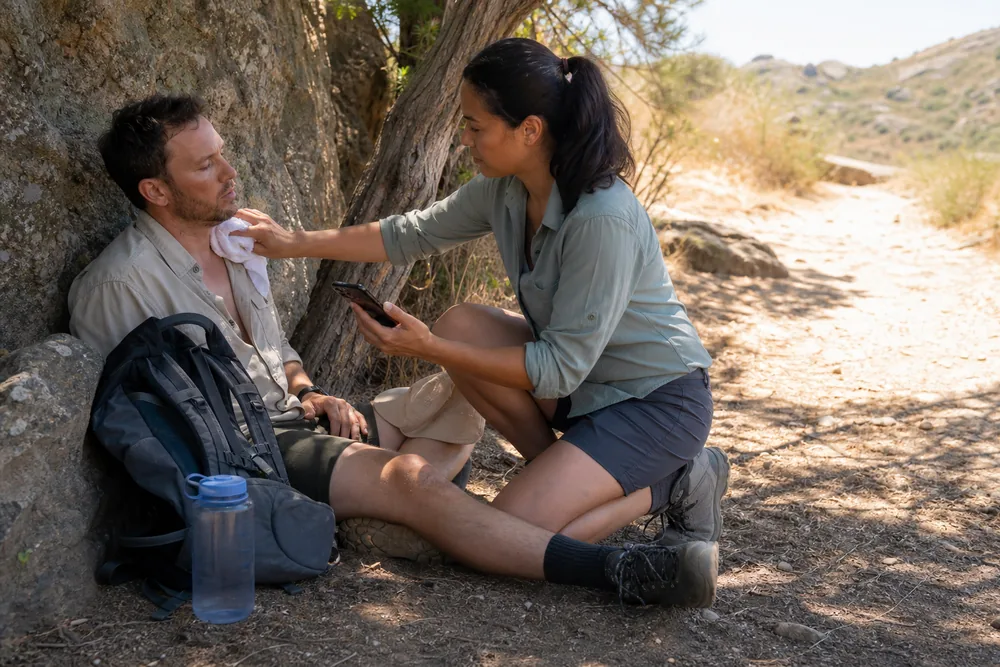
Leave the exposed section while everyone can still walk, think, and drink normally.
Hot-weather field rule
The CDC describes heat exhaustion and heat stroke as serious heat-related illnesses. Its heat illness guidance lists altered mental status, slurred speech, loss of consciousness, and seizures among heat-stroke signs.
A day with heat, altitude, storms, or fast-changing conditions belongs under outdoor safety planning before it belongs under fitness or scenery.
That framing keeps the decision simple. If the condition can reduce clear thinking, shorten the day before effort and pride become part of the problem.
Why does the post-hike check matter after heat?
Heat can show up after the route is technically over. Pay attention to headache, nausea, unusual fatigue, poor appetite, cramps, or feeling chilled after a hot day.
Move to a cool place, stop exertion, loosen clothing, and keep monitoring.
Vomiting, worsening symptoms, confusion, fainting, inability to drink, or symptoms that last more than an hour need medical help. Dark urine with severe muscle pain or weakness also deserves prompt medical assessment.
That review changes the next hot-weather plan. If the group drank every bottle, skipped food, or got quiet on the final mile, the next hot hike should be shorter, earlier, or shadier.
Do not upgrade after a rough heat day. Repeat an easier route in better conditions before adding climb or distance.
| After-hike signal | Likely lesson | Next hot hike |
|---|---|---|
| All water gone early | Carry was too tight | Shorten route or cache/refill only where legal and safe |
| Headache or nausea | Heat stress may have built up | Choose shade and lower effort |
| Blisters or swollen feet | Heat changed fit | Adjust socks, lacing, or shoe choice |
| No one ate much | Pace or temperature suppressed appetite | Use smaller frequent snacks |
| Quiet final mile | Group was running out of margin | Turn around earlier next time |
Write down the route, hours, sun exposure, water used, food eaten, symptoms, and time to feel normal again. That record helps you separate one bad choice from a repeatable limit before the next hot day.
Some hikers need a lower heat ceiling than the forecast suggests
Children, older adults, pregnant hikers, people with heart or other chronic conditions, unacclimatized visitors, dogs, and solo hikers need a smaller hot-weather plan.
Some medicines also affect sweating, circulation, alertness, or fluid balance. Ask a clinician or pharmacist about your own medicines rather than guessing from a general list.
Choose a shorter route with more shade and earlier exits for those situations. A route that works for two acclimatized adults can be the wrong route for a child, older adult, pregnant hiker, recent visitor, dog, or solo hiker in the same conditions.
For kids, make the reward closer and the turnaround earlier.
The hiking with kids plan helps size distance around frequent stops, simple goals, and an early return. For dogs, avoid hot surfaces and remember that a hand test cannot guarantee safe paws.
Surface, coat, breed, age, conditioning, and veterinary advice all matter.
Lower the ceiling when the group has less backup.
- Check official heat alerts, air quality, and medical limits before choosing the route.
- Reduce duration for anyone who has not adapted to local heat.
- Avoid hot pavement and exposed rock when bringing a dog.
- Carry water for every person and animal.
- Use frequent shade stops with children.
- Avoid exposed climbs after the morning cool period.
- Tell someone your route and return time when hiking alone.
- Turn around at the first combined warning sign.
Use the dog-specific plan before bringing a pet on a hot route. The hiking with a dog article covers leash rules, paw checks, and water needs that a normal hiking checklist can miss.
If you are hiking alone, the solo hiking margin should be smaller too because no partner can notice heat signs for you.
The National Park Service Hike Smart guidance covers route preparation, water, essentials, weather, and early turnarounds.
The National Weather Service heat index guidance explains the shade assumption and added full-sun exposure. CDC heat and health guidance covers cooler hours, shade, breaks, hydration, HeatRisk, and groups that need added care.
When can the return become the hottest part of the hike?
An early start can place the walk back in stronger sun even when the outbound climb felt cool. Map the return by clock time and exposure, then set the turnaround before the route commits the group to its hottest section.
Check when shade leaves the trail. A west-facing return, open road, pale rock slope, or treeless descent can receive more afternoon heat than the same mileage did in the morning.
Estimate the return separately. Descents may be faster on smooth tread, but swollen feet, hot surfaces, tired legs, and repeated cooling stops can erase that advantage.
Keep water reserved for the full return. A summit or viewpoint drink is part of the budget, so recount the remaining volume before the group spends time at the goal.
Eat a small familiar portion before leaving shade. Appetite often falls in heat, and waiting for hunger can leave the group with less energy during the exposed final miles.
Reapply sun protection and adjust clothing while shade is available. The return should not begin with a dry bottle, uncovered skin, or a pack that must be opened again on the first exposed slope.
Compare each person with their morning baseline. New silence, irritability, slower answers, clumsy movement, headache, nausea, or a sharp pace drop ends the objective and starts the easiest exit.
Check the vehicle approach too. A long unshaded road walk or hot parking area remains part of the exposure, even when the mapped trail ends earlier.
If the return window has become hotter than planned, use the shorter exit immediately. Waiting at an exposed viewpoint for the temperature to improve can consume water and daylight without reducing the route home.
Record where the heat actually affected the group. The next plan should move that segment earlier, replace it with shade, or remove it instead of only adding another bottle.
Plan the hot direction. A route is not heat-ready until the group knows which miles will be exposed on the way back and when they will reach them.
Sources
The acclimatization window of roughly 7 to 14 days of repeated heat exposure, and the fact that fitness does not substitute for it, follow CDC NIOSH guidance on heat stress acclimatization.
The shade assumption built into the heat index, and the finding that full sunshine can make conditions feel up to 15F hotter, come from the National Weather Service heat index guidance.
Step by stepPractical steps
- Check the hourly forecast, HeatRisk, air quality, sun, wind, and route exposure.
- Choose a shorter shaded route with a simple exit and a named fallback.
- Start before peak heat and keep the first mile below normal pace.
- Carry water from a measured use rate, reliable refill facts, and a return reserve.
- Use shade breaks to compare water, symptoms, time, and remaining exposure.
- End the hike for early heat illness signs and call emergency services for altered thinking, slurred speech, seizure, collapse, or unconsciousness.
- Record water use, symptoms, and recovery time before planning the next hot hike.
AnswersQuestions readers ask
How hot is too hot for hiking?
There is no universal cutoff.
Combine air temperature, humidity, sun, wind, route exposure, duration, official warnings, acclimatization, health, water, shade, and exit options. When several inputs are poor, choose a shorter shaded route or another day.
Is it safe to hike in hot weather?
It can be safe when the route is short, shaded, early, and easy to exit. Heat becomes risky when water, shade, pace, or warning signs are ignored.
How much water should I carry for a hot hike?
Measure your use on an easier hot walk, apply it to the planned hours, and add a return and delay reserve.
Adjust for sun, humidity, effort, climb, the slowest hiker, and reliable refill options. If the carry is impractical, shorten the route.
What should I wear hiking in heat?
Wear breathable sun protection, a hat, sunglasses, smooth socks, and shoes with room for swelling. Exposed skin may feel cooler briefly but can burn quickly.
When should I turn around on a hot hike?
Turn around when water is dropping faster than planned, shade is scarce, pace slows sharply, or anyone develops headache, nausea, dizziness, unusual weakness, cramps, or heavy sweating.
What should I do if a hiker shows signs of heat stroke?
Call emergency services for confusion, slurred speech, seizure, collapse, unconsciousness, or another heat-stroke sign. Move the person to shade, remove excess clothing, cool rapidly, stay with them, and follow dispatcher instructions.
Do not give fluids if alertness or swallowing is impaired.
Should I bring my dog hiking in the heat?
Only on short shaded routes with legal access, cool footing, enough water, and a dog that is healthy and conditioned for the weather. Hot rock, pavement, exposed trails, age, breed, and coat can make leaving the dog home the safer choice.