
How to Prepare for a Multi-Day Trek With a Route-Based Test
Build a route, body, pack, and camp routine that can still work after the first overnight.
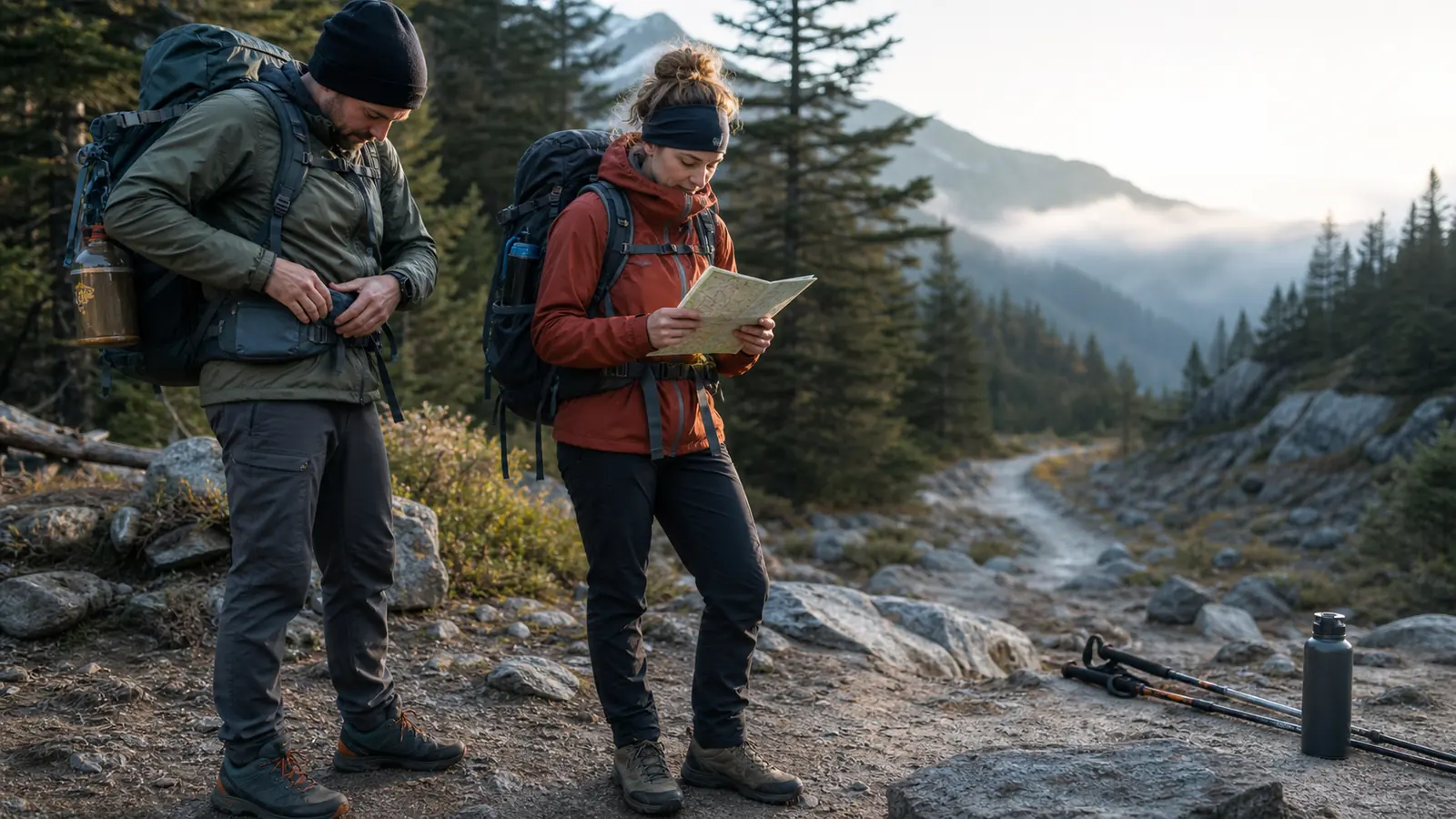
Prepare for a multi-day trek by testing the whole trip as a repeatable system. Train on consecutive days, carry the real pack, rehearse camp and morning routines, test water and navigation backups, then use the results to keep, shorten, or postpone the route.
A strong first day proves that you can start. A steady second morning proves that you prepared for a multi-day trek, because yesterday's load, foot care, food, camp work, and sleep all arrive at the next trailhead with you.
Day-two evidence should drive the final decision. The useful test is whether you can wake, eat, pack, and move with normal control instead of whether you can force one impressive day.
How do you know day two will still work?
Multi-day preparation has one clear standard. You should be able to repeat useful movement after a loaded day, a real evening routine, imperfect sleep, and a normal morning reset.
Watch what happens during the first ten minutes of the second day.
Stiffness may ease as you warm up, but a changed gait, sharp pain, reopened hot spots, nausea, dizziness, or unusual weakness means the rehearsal exposed a problem that more ambition will not solve.
The rest of the group matters too.
A fast walker who sleeps poorly, skips breakfast, or needs another person's help for every camp task may set a slower safe pace than the person who climbed last.
Preparation time depends on your starting point and route. An already active trekker may need route-specific loaded practice, while a new trekker needs time to build walking volume, hills, pack tolerance, and overnight routines without stacking all of them at once.
The trekking training process develops those physical pieces in stages. This preparation check goes wider by asking whether fitness, equipment, food, water, sleep, skills, and route margins still cooperate on the next morning.
Repeatable beats impressive. Your test passes when the second day looks controlled enough to repeat, not when the first day produces the biggest number.
Which part of each trekking day should you train for?
Total distance hides the part most likely to break the plan. Find each day's hardest hour, then note what comes before it, what follows it, and how far the group is from water, camp, transport, or an exit.
Write one line for every day. Include distance, ascent, descent, rough surface, exposed terrain, expected water gaps, the planned sleep stop, and a conservative arrival time.
Climbing raises effort, but long descents can be the late-day test because tired legs must control your body and pack.
Mud, loose rock, repeated steps, sand, snow, or river crossings can also make a modest distance consume more time than a smooth trail.
Water and camp timing change the cost again.
A dry stretch may require extra carried weight, while a hut arrival, permit window, ferry, meal service, or fixed campsite can remove the freedom to stop early.
| Route fact | What to reproduce before the trek | What to change if the test fails |
|---|---|---|
| Long climb early | Sustained uphill work with the planned load | Lower the first-day climb or slow the opening pace |
| Large descent late | Controlled downhill walking after several hours | Shorten the stage or move the descent earlier |
| Long water gap | Carry the full water load for that segment | Add capacity, verify another source, or reroute |
| Technical surface | Practice foot placement with the same footwear and poles | Choose simpler terrain or add more time |
| Late camp arrival | Complete camp tasks after the full training day | Shorten the stage or use a supported sleep stop |
| Limited exit | Rehearse the day before the commitment point | Add an earlier exit or remove the hard segment |
The first trekking trip plan covers permits, daily stages, sleep stops, water, and decision points in full. Here, those facts become inputs for rehearsal rather than another itinerary exercise.
Mark resupply, transport, and bailout timing separately. A shop that closes before arrival or a bus that runs twice a day can turn an otherwise easy stage into a commitment, so verify the current operator or land-manager information close to departure.
Train the constraint. Mileage matters, but the steep descent before camp or the four-hour dry stretch often decides whether the day works.
How do you train for the second morning?
One long training day gives incomplete evidence.
It can show pace, pack comfort, and foot response, but it cannot show how you move after camp chores and a night away from your normal bed.
Build time on your feet before adding every route demand. Regular walks create a base, hills add climbing and braking work, and a light pack lets you correct posture before more weight makes the same problem harder to notice.
Add load in small steps until you reach the weight expected on the hardest carry.
Use water or another removable item so you can reduce the load if your stride changes, your shoulders go numb, or pain begins.
Practice descents late in the session when your legs are already warm and somewhat tired. Short, controlled steps are more useful than chasing speed, especially when the route includes loose surfaces or repeated drops.
- Build walking consistencyFinish ordinary walks without pain that changes your stride.
- Add route-shaped hillsMatch the type of ascent and descent, not only the total distance.
- Introduce the packStart below trip weight and keep the load close and stable.
- Extend time on feetIncrease duration only while feet, joints, and posture remain controlled.
- Practice two daysWalk loaded on consecutive days and keep the second day deliberately moderate.
- Run the camp routineUse the same shelter, food, water, sleep, and morning sequence between those days.
- Review the evidenceRecord gait, hot spots, appetite, sleep, camp time, and second-day pace.
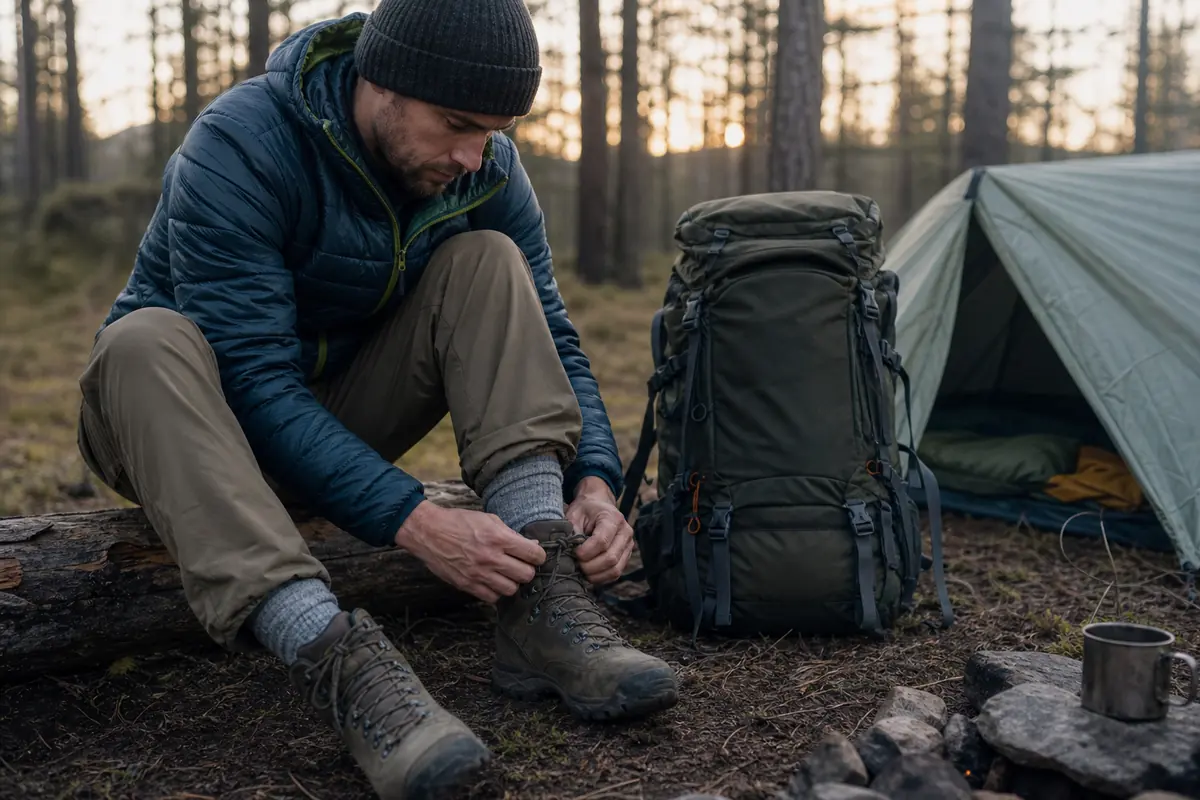
During the two-day rehearsal, keep the first day below your maximum. The goal is to collect clean evidence about recovery, not to create soreness so severe that any second day would look bad.
Trekking can provide strong endurance work, but the exercise demands of trekking also include balance, loaded descents, and recovery. If you have a health condition, unusual symptoms, or concern about exertion, ask a qualified clinician for advice suited to you.
Finish able to learn. A rehearsal that leaves you too depleted to judge equipment, appetite, feet, or morning movement was harder than it needed to be.
When should you test the pack under fatigue?
A pack that feels acceptable in the kitchen may pull, bounce, or rub after several hours. Test it with the actual shelter, sleep system, clothing, food volume, water capacity, and shared equipment expected on the hardest carry.
Weigh the complete load, then note how much of it is food, water, and fuel. Those consumables change across the trek, while the base load stays with you every day.
- Fit pass
- Hipbelt carries the load without numbness, slipping, or sharp pressure
- Balance pass
- You can step down, turn, and use poles without the pack pulling you off line
- Access pass
- Water, food, rain shell, warm layer, map, and foot care are reachable at the right time
- Weather pass
- Sleep insulation and dry layers stay protected through a realistic rain test
- Repair pass
- Buckles, straps, shelter parts, and water containers have tested field fixes
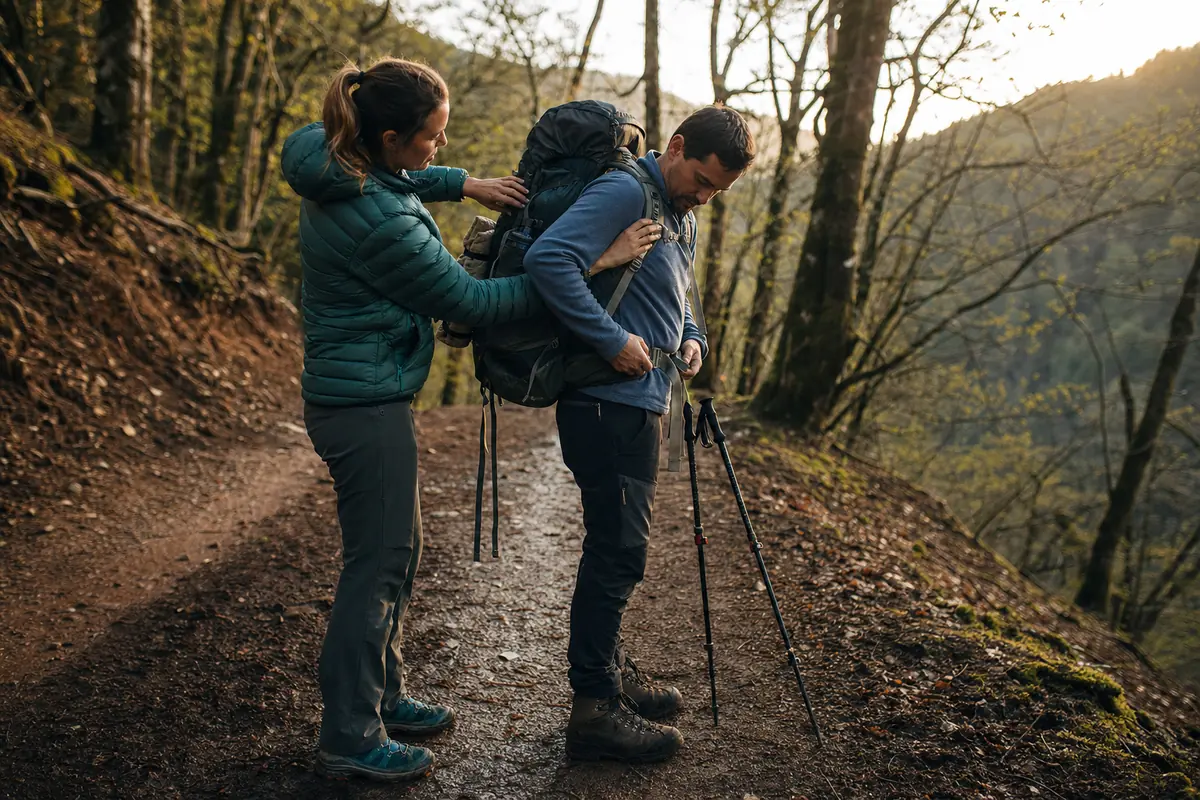
Late in a rehearsal, notice whether your head moves forward, shoulders rise, stride shortens, or feet begin landing differently.
Those changes can point to excess weight, weak load transfer, poor balance, or a fit that needs adjustment.
The trekking packing system owns the full item list. Use that list to assemble the load, then use a backpack fit check to place the hipbelt, shoulder straps, load lifters, and sternum strap before the next long test.
Open the pack in wind or light rain at home and retrieve the first items you would need. If every weather change requires emptying the bag, change the packing order before remote use.
Tolerance is not fit. A pack passes when it supports stable movement and quick access after fatigue, not when you can endure it until camp.
How should you rehearse the first hour at camp?
Walking stops at camp, but the work does not. Shelter, water, dry clothing, food, foot care, weather protection, and tomorrow's setup all compete for the attention of people who are tired and cooling down.
Run this routine after the hardest rehearsal day.
Start a timer when the pack comes off and use the actual gear instead of describing what you plan to do.
Agree on the first three jobs before the trek.
One person may handle shelter while another treats water, but everyone should know the backup order if a task takes longer or one person needs foot care.
Change damp layers before a long inactive period in cool conditions. Protect the sleep system during setup because dry insulation is difficult to replace once weather enters camp.
- Choose a legal durable site and check drainage, overhead hazards, wind, and crowding.
- Pitch the shelter with the stakes, poles, knots, or platform method the route requires.
- Collect and treat enough water for dinner, overnight needs, and the first morning segment.
- Put on dry or warmer layers before the body cools during chores.
- Clean, dry, and inspect feet while hot spots are still small.
- Prepare food and store every scented item by the current local rule.
- Set out the headlamp, map, rain shell, first food, and morning layers.
- Confirm the next water point, weather concern, exit, and departure time.
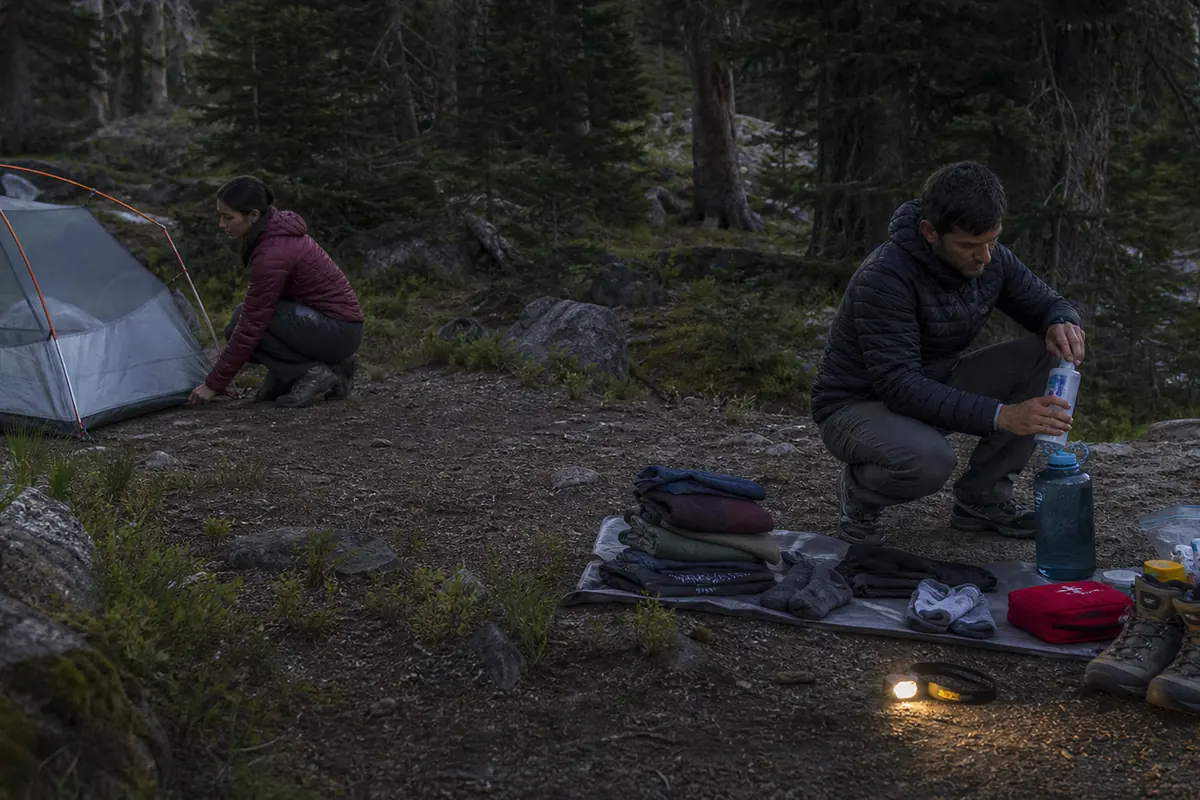
Eat the dinner you intend to carry and make the breakfast you expect to tolerate. A meal can look efficient on paper and still take too much fuel, water, cleanup, or appetite at the end of a hard day.
Notice sleep problems without trying to force perfect comfort. Cold from below, a sliding pad, cramped shelter space, condensation, noise, and poor pillow support can all reduce recovery enough to matter the next morning.
Stage the first hour of morning too. Pack small items in a fixed order, keep shared equipment accounted for, and test whether the group can leave without losing food, stakes, filters, clothing, or route notes.
Shared sites add another layer. The trekking etiquette rules help keep water collection, food storage, shelter space, waste, and early starts orderly around other tired people.
Time the real routine. If the practice camp consumes the entire evening, shorten the walking day before hoping that remote camp will somehow run faster.
What food and water reserve covers a delay?
Imagine arriving two hours late after the expected source is dry.
Your food and water plan should still support a controlled choice instead of forcing the group to ration immediately or walk into darkness.
Build a water ledger for each day.
Record the start capacity, verified sources, longest gap, treatment method, treatment time, and the amount needed at camp before the next refill.
Natural water should be treated when its safety is uncertain. Practice the primary method, maintain it as directed, and carry a suitable backup because filters can clog, containers can leak, and chemical treatment needs contact time.
| System | Normal plan | Delay test | Correction before departure |
|---|---|---|---|
| Water source | Refill at the mapped point | Source is dry or difficult to reach | Confirm another source, add capacity, or shorten the stage |
| Treatment | Primary filter works at home | Filter flow slows in silty water | Clean it correctly and carry a compatible backup |
| Trail food | Eat at planned breaks | Weather removes the long break | Put simple food where it can be eaten while stopped briefly |
| Dinner | Cook after camp setup | Arrival is late and the group is cold | Carry one low-effort meal that uses little fuel and cleanup |
| Fuel | Planned meals fit the canister | Wind and extra boiling raise use | Test with a windscreen where safe and add a measured reserve |
| Emergency food | Spare meal stays untouched | Exit is delayed by one day | Keep the reserve separate from normal snacks |
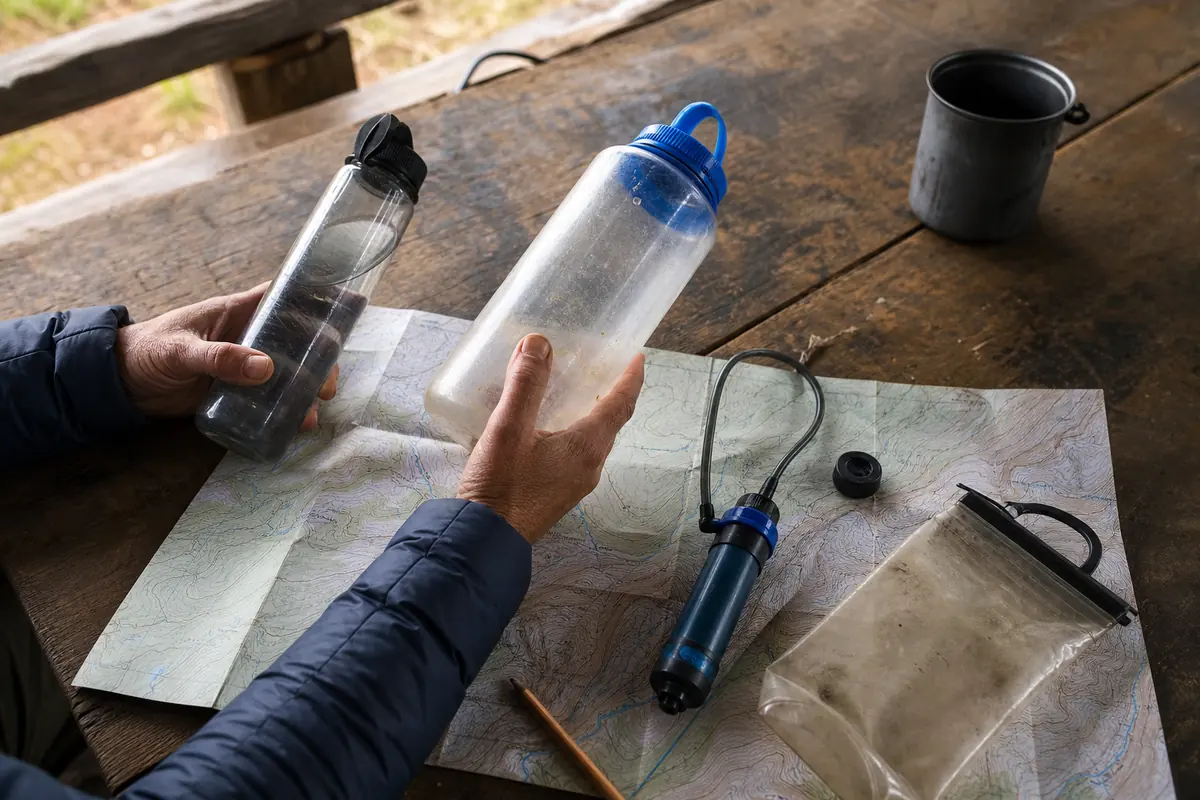
The water carry calculation should reflect heat, effort, source reliability, treatment needs, and the slowest person. Do not copy one volume across every day when the gaps and conditions change.
Food needs a usability test as much as a quantity check. Carry items you will still eat with low appetite, and keep some calories reachable so a steep climb, cold rain, or difficult navigation does not turn into an accidental fast.
The trekking safety margins explain why water, food, weather, daylight, and camp timing should be checked each morning. During preparation, your job is to prove that the planned reserve and backup method work with your actual group.
A reserve needs a scenario. Extra food, water capacity, or fuel earns its weight when it covers a named delay rather than a vague fear.
How do you practice critical gear failures safely?
Owning a tool is different from recovering when it fails. Test critical systems in a controlled place where a mistake creates a lesson instead of a remote problem.
Use clean practice water to learn how the filter is assembled, cleaned, backflushed, and protected according to its instructions. Pitch the shelter in wind and low light, then find out which parts are easiest to misplace.
Download offline maps, put the phone in airplane mode, and follow a simple local route. A basic compass backup skill matters only if you have practiced orienting the map and holding a direction before the screen becomes unreliable.
Water
Slow the filter on purpose only as the manufacturer allows, then perform the correct maintenance and use the backup.
Shelter
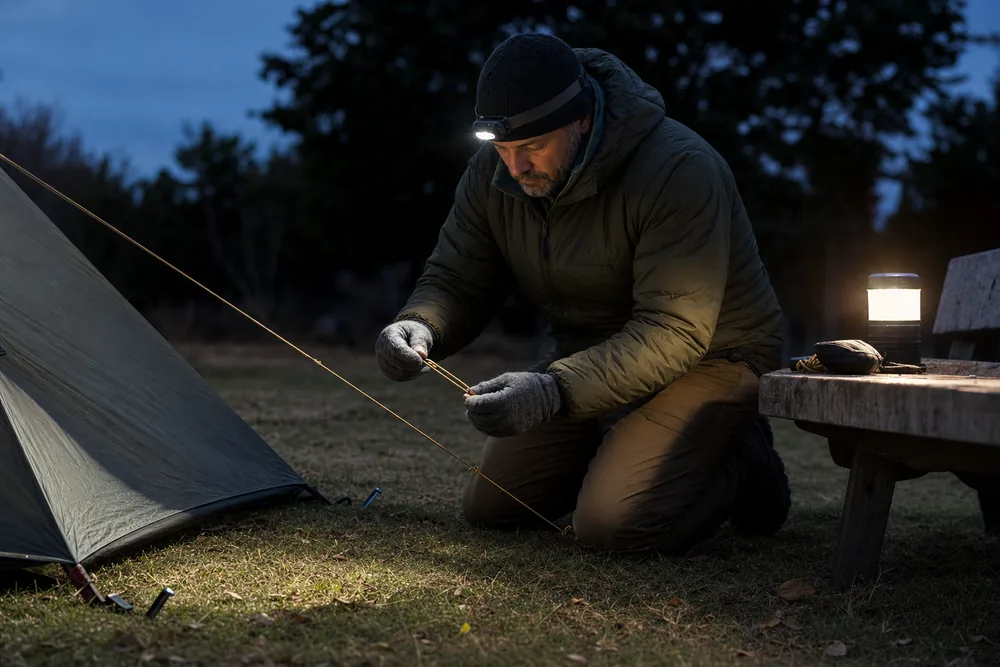
Pitch with gloves or cold hands, low light, and a realistic wind while every part remains recoverable.
Navigation
Follow offline and paper information through several junctions, then compare positions without mobile service.
Lighting
Replace or recharge the headlamp power in darkness while a second light stays available.
Cooking
Make a no-cook or low-fuel meal when the stove is unavailable. Never create a fuel leak for practice.
Repair
Fix a loose strap, small fabric tear, leaking bottle, or missing cord with the carried repair kit.
Communication
Send a routine check-in and confirm that the trusted contact understands the overdue instructions.
Ask each group member to operate more than one critical system. A shelter, filter, stove, map, or communicator becomes a single point of failure when only one person understands it.
Cold and wet conditions deserve special care because clumsy hands and cooling bodies make simple tasks slower. The rain trekking system protects dry recovery gear, while winter trekking preparation adds shorter daylight, traction, frozen equipment, and colder camp work.
Practice reaching dry layers, food, and shelter controls while wearing the gloves expected on the route. Every person should also recognize early cold stress signs such as persistent shivering, fumbling hands, unusual quietness, or confusion, but the rehearsal must stop well before anyone becomes dangerously cold.
Write down how long each backup takes. A chemical water treatment, paper-map reset, shelter repair, or no-cook meal may solve the failure, yet the added minutes still belong in the day's daylight and camp margin.
Test recovery, not destruction. The useful question is whether the group can switch methods calmly when the preferred tool stops helping.
What should you do during the final seven days?
The final week is a poor time to add hard training, replace several pieces of gear, or rebuild the route from scratch. Use it to recover, confirm, charge, pack, and remove unknowns.
Reduce training so normal soreness can settle before departure. Easy movement can keep you loose, but a last-minute fitness test cannot create useful conditioning before the trek and may expose you to avoidable pain.
Freeze the main equipment system after the last successful rehearsal. Replace only an item that is unsafe, broken, prohibited, or clearly wrong, then test that change before it enters the pack.
- Confirm permits, reservations, transport, access hours, and current land-manager rules.
- Check official closures, fire restrictions, water notices, and the route-specific forecast.
- Review every daily stage, water gap, sleep stop, exit, and resupply window.
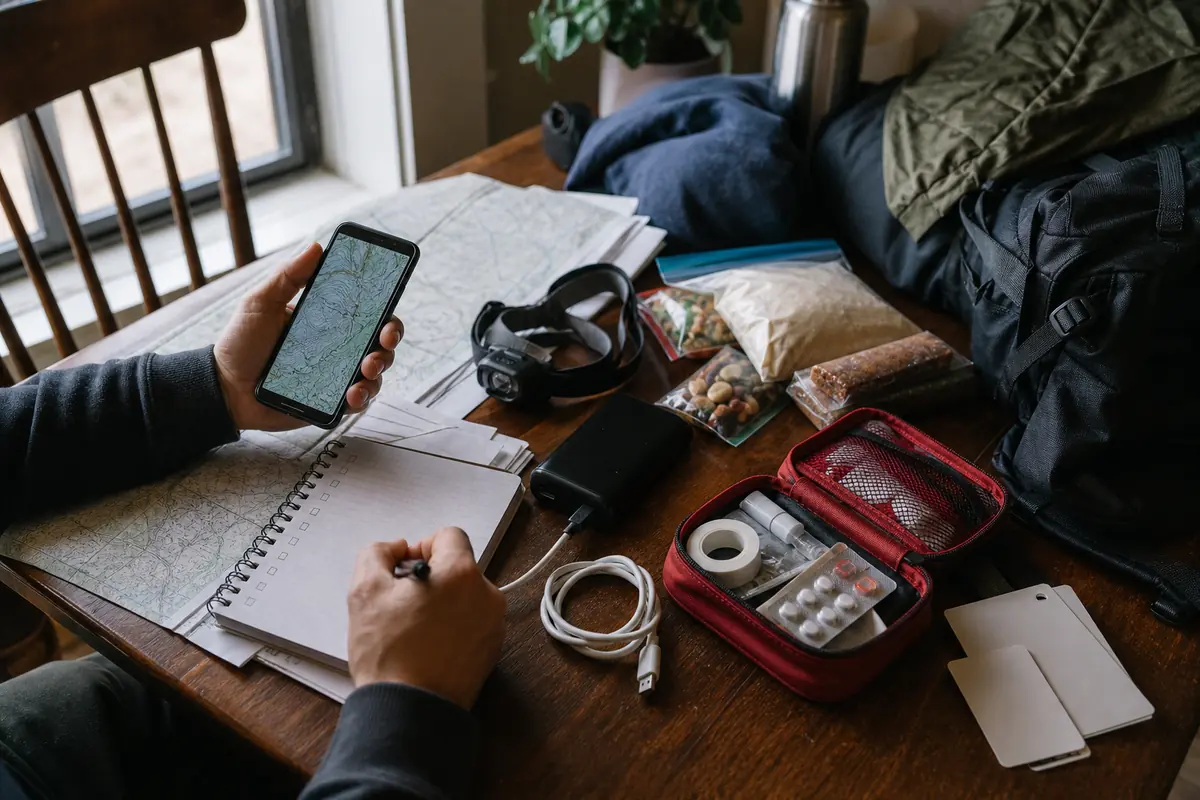
- Charge the phone, headlamp, communicator, watch, and battery bank, then pack the correct cables.
- Open offline maps and route files while the device is in airplane mode.
- Inspect shoes, socks, poles, pack hardware, shelter parts, filter, stove, and containers.
- Repackage food by day and separate the delay reserve from normal meals.
- Share the route, camps, vehicle or transport details, group contacts, and overdue time.
- Sleep, eat normally, and arrive without a training deficit or a packing marathon.
Official conditions can change after the rehearsal.
Check the land manager, weather service, transport provider, and permit issuer instead of relying only on old trip reports or saved screenshots.
Give a trusted contact a real alarm time and actions to take if you are overdue. A solo trekking plan needs especially strict communication because no companion can notice a bad decision or share a failed device.
Pack once, then run a quiet final sweep by system. Shelter, sleep, water, food, clothing, navigation, light, first aid, repair, documents, and communication are easier to verify as groups than as a frantic pile of small items.
Departure is a confirmation. You want the last week to reduce uncertainty, not prove that you can absorb more change.
Should you go, shorten the route, or postpone?
Optimism cannot close a failed test.
Use the route map, two-day rehearsal, pack audit, camp timing, consumables test, skills practice, and current conditions to choose one of three outcomes.
Go when the second morning starts with normal movement, feet remain manageable, the pack stays stable, camp work finishes with reserve, water assumptions are verified, and every critical system has a workable backup.
Shorten when the core systems work but the margin is too small. A shorter first day, easier descent, supported sleep stop, extra water point, earlier exit, or rest period can remove the specific stress that failed.
Postpone when pain changes gait, a required skill remains untested, the route depends on uncertain water, severe weather removes safe timing, access is closed, or the group cannot agree on pace and stop conditions.
Tie every decision to the exact failed test. “Camp setup took 95 minutes after the loaded walk” gives you something to fix, while “we did not feel ready” does not show whether the route, equipment, skill, or schedule should change.
| Decision | Evidence | Practical action |
|---|---|---|
| Go | Day two is controlled and all critical systems pass | Keep the tested route and resist adding difficulty |
| Shorten | One hard stage or tight camp window creates the failure | Remove that segment, lower day one, or add support |
| Postpone | Health, access, weather, water, skill, or equipment has no safe workaround | Fix the gap and repeat the relevant test |
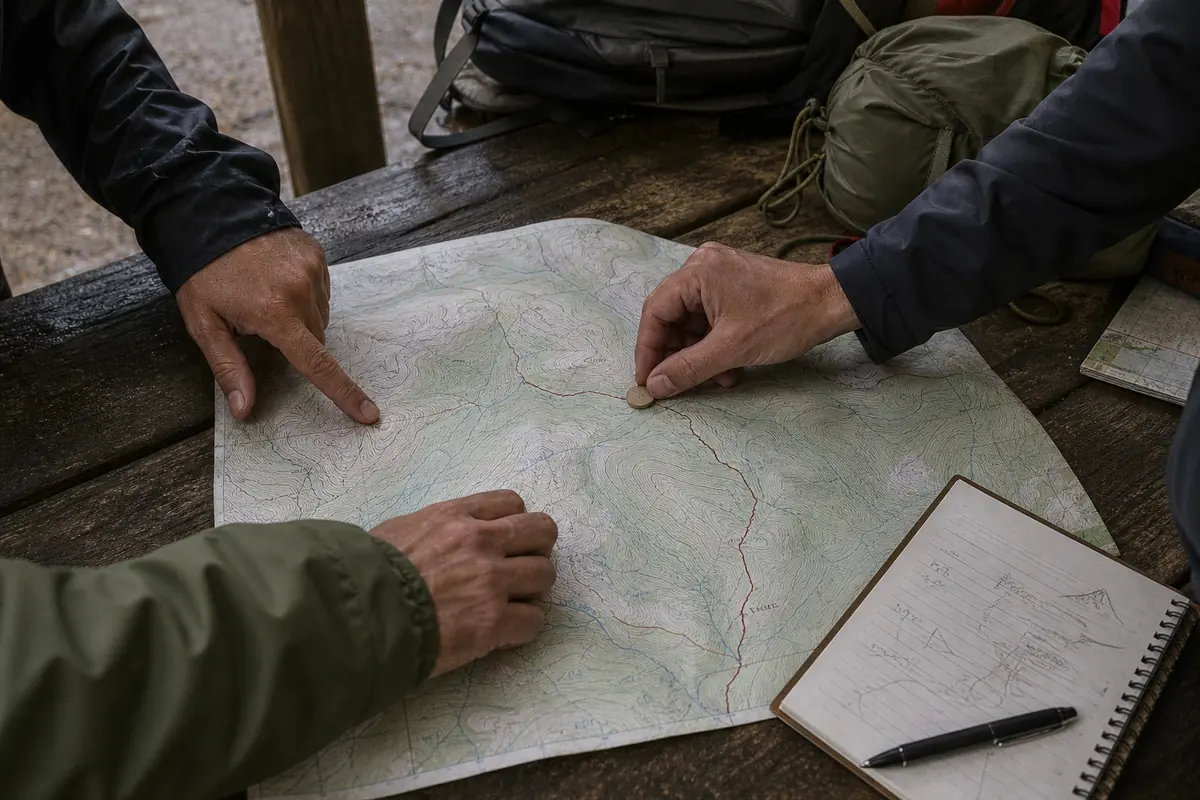
Let every person name a stop condition before departure. Group pressure causes common trekking mistakes when pain, weather, or delay is treated as a test of character instead of new planning information.
If the route is shortened, update the trusted contact and transport details. A backup route is useful only when the outside plan matches where the group will actually be.
Keep one person from overruling the evidence alone. The slowest recovery, least stable descent, or least reliable morning appetite can set the group's route because the same people must stay together through the next committed segment.
The decision can be conservative without wasting the preparation. A shorter trek lets you test the same camp, food, water, and morning systems with easier exits, then carry real evidence into a more ambitious route later.
Choose from evidence. The best-prepared group is willing to change the plan before departure, while every useful option is still open.
Sources
The National Park Service recommends checking fitness, skills, duration, difficulty, weather, permits, closures, backup options, offline navigation, emergency needs, and a trusted-contact trip plan: NPS Trip Planning Guide. Its Ten Essentials cover navigation, illumination, insulation, first aid, emergency shelter, extra food, extra water, and other systems that must be adapted to the trip.
The CDC advises treating water when safety is uncertain and maintaining treatment devices correctly. It describes boiling as the best way to kill germs and filtering followed by disinfection as the next best option: Preventing Drinking Water-Related Illnesses.
Leave No Trace recommends learning regulations and hazards, preparing for severe weather and emergencies, scheduling conservatively, traveling in appropriate group sizes, and reducing food waste before departure: Plan Ahead and Prepare. Local current rules decide permits, camping, fire, food storage, water, access, and waste methods for the route you will actually use.
Step by stepPractical steps
- Break the route into day-specific stress, water, camp, and exit demands.
- Build walking, hills, pack load, descents, and consecutive days in separate stages.
- Complete a two-day loaded rehearsal with the real camp and morning routines.
- Test pack fit, water treatment, shelter, navigation, lighting, food, and repair backups.
- Use the final week to recover and confirm current access, weather, permits, and communication.
- Choose go, shorten, or postpone from the rehearsal evidence.
AnswersQuestions readers ask
How early should I prepare for a multi-day trek?
Start early enough to build regular walking, add hills and pack load gradually, and complete a two-day loaded rehearsal without rushing the recovery. Your starting fitness and the route demands decide the exact timeline.
What is the best training test before a multi-day trek?
Use two consecutive loaded days with the real footwear, pack, camp routine, food, and morning reset. Judge the test by second-morning gait, foot condition, appetite, pack fit, and controlled pace.
Should I train with my full trekking pack?
Yes, but build toward the expected load instead of starting with it. Use the full planned pack during later rehearsals and reduce weight if it changes your stride, causes numbness, or creates pain.
What should I do during the final week before a trek?
Reduce hard training, keep tested gear stable, confirm permits and current conditions, charge devices, verify offline maps, share the trip plan, inspect equipment, and arrive rested.
When should I postpone a multi-day trek?
Postpone when pain changes your gait, a critical skill or system remains untested, water or access cannot be verified, severe weather removes safe timing, or the group has no workable agreement on pace and stop conditions.