
Best National Parks for Day Hikes, Ranked by Trail Variety
Eight parks compared by trail range, terrain, access, and the kind of hiking day each rewards.
Yosemite is the best overall United States national park for day hikes because one base can give you flat valley walks, waterfall climbs, long rim routes, and seasonal high-country trails. Grand Teton comes next for concentrated alpine scenery, while Acadia is the better compact choice when you want coast, forest, lakes, and summits without long drives between them.
This list ranks whole parks, not isolated famous trails. Your best choice may sit lower in the order if you have one day, dislike permit lotteries, need beginner-friendly routes, or want a landscape that the top park does not provide.
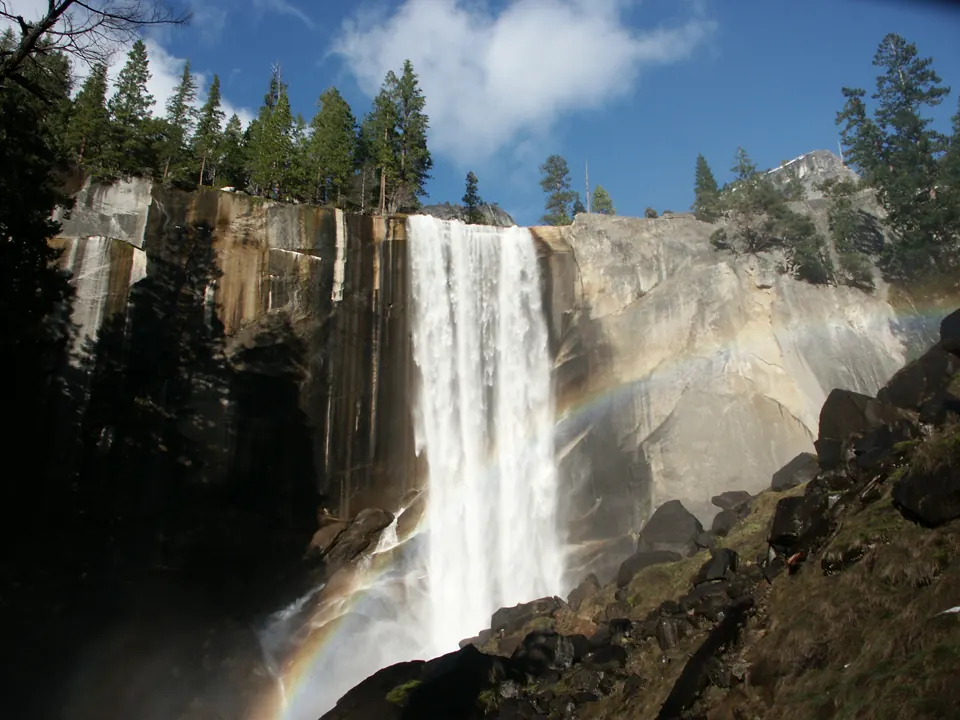
Yosemite National Park
- Best for
- The strongest overall trail range
- Why it ranks
- Easy valley loops and demanding waterfall or rim climbs can fill several hiking days
- Keep in mind
- Crowds, transport, and seasonal roads require backups
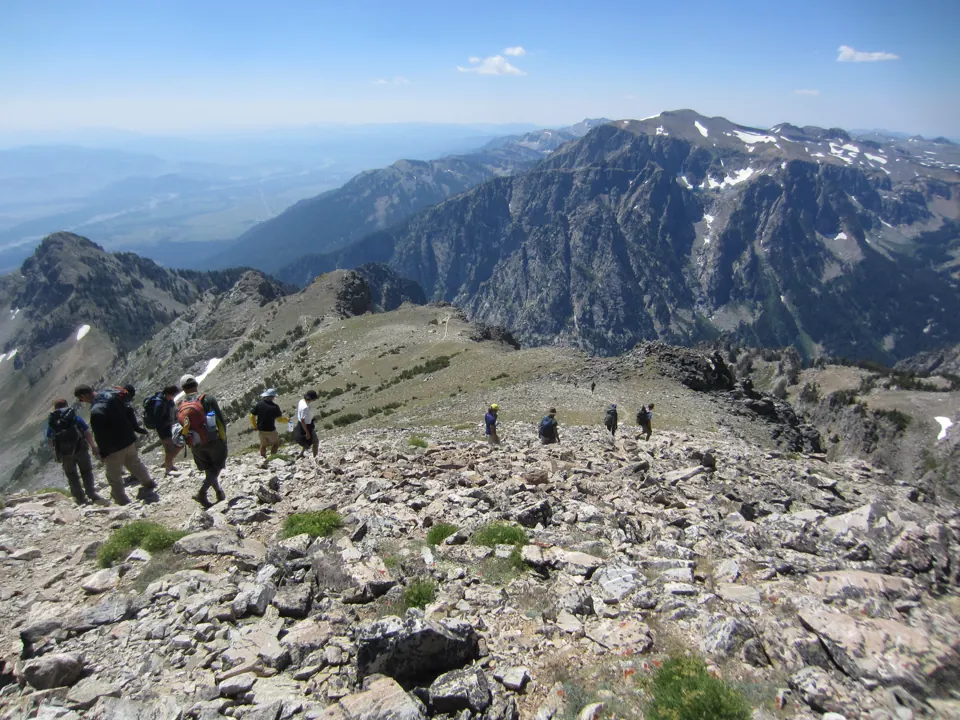
Grand Teton National Park
- Best for
- Concentrated alpine scenery
- Why it ranks
- Lakes, canyons, and mountain views begin close to a compact front-country corridor
- Keep in mind
- Popular trailhead parking fills early
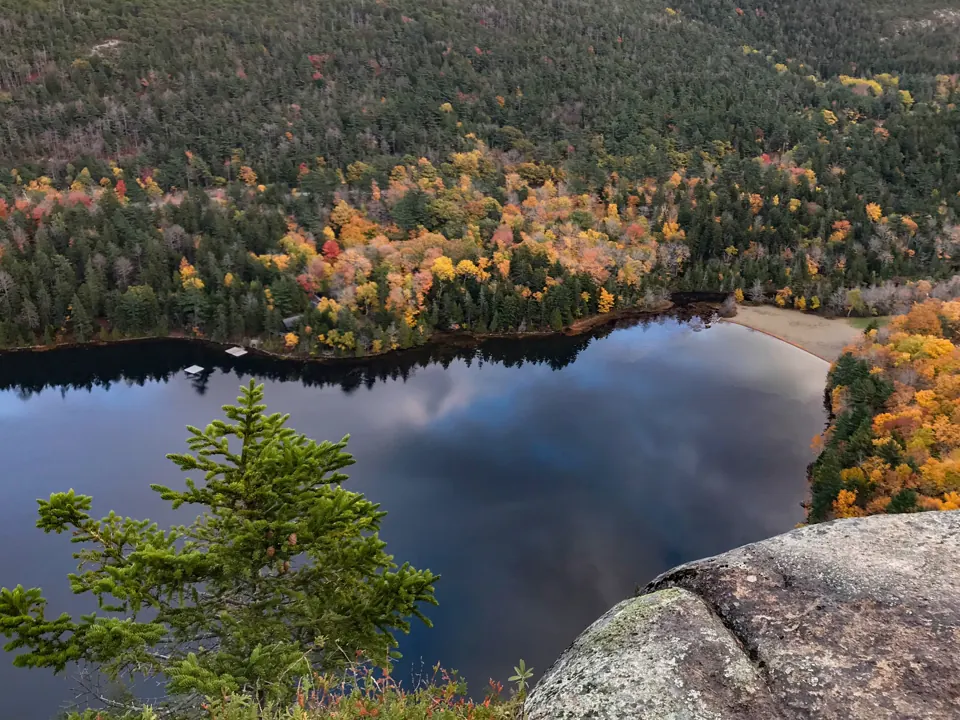
Acadia National Park
- Best for
- Compact landscape variety
- Why it ranks
- Coast, forest, freshwater, and exposed summits fit into a small area
- Keep in mind
- Short mountains can still have steep rock and ladder sections
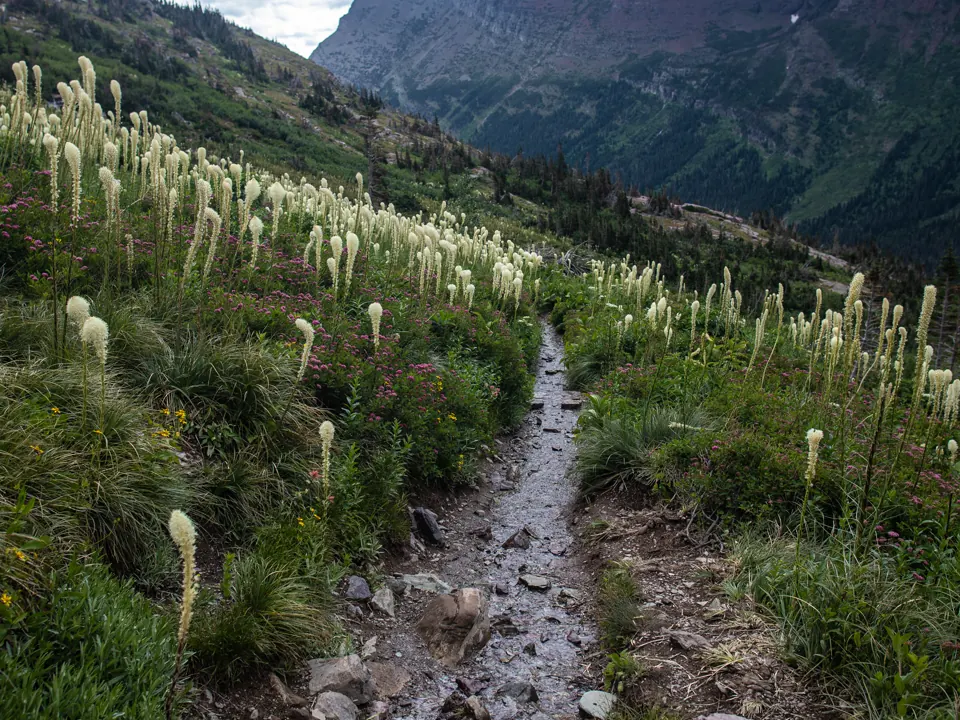
Glacier National Park
- Best for
- Long alpine day hikes
- Why it ranks
- More than 700 miles of trail reach lakes, passes, and Continental Divide terrain
- Keep in mind
- Snow, wildlife, shuttles, and parking reduce flexibility
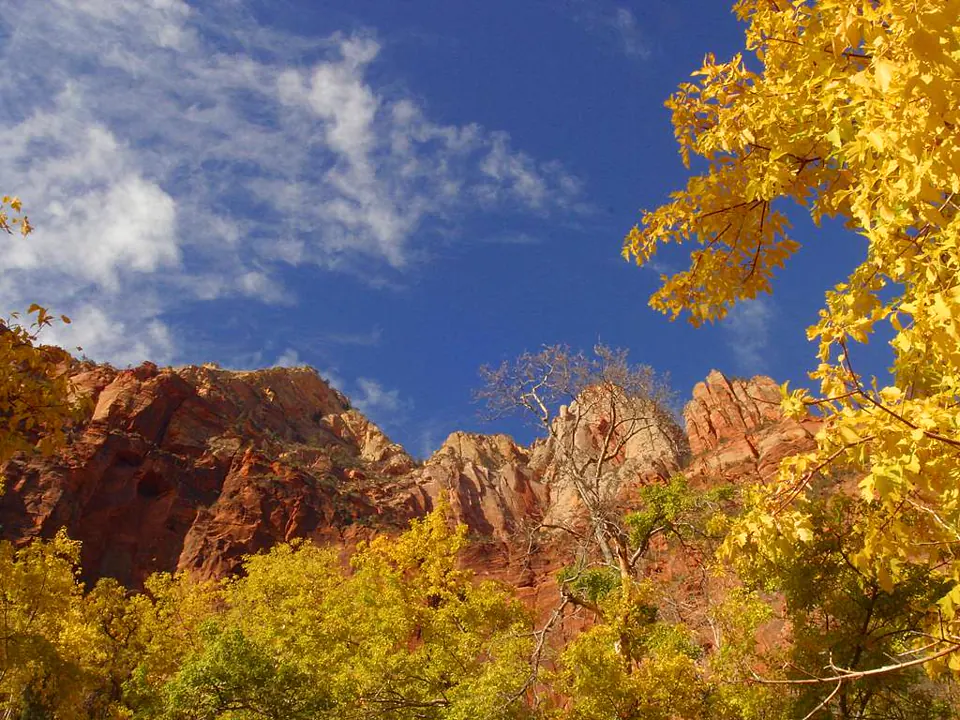
Zion National Park
- Best for
- Canyon drama
- Why it ranks
- Sheer walls, river travel, and high desert routes feel unlike the other parks
- Keep in mind
- Heat, water, permits, and shuttle dependence add friction
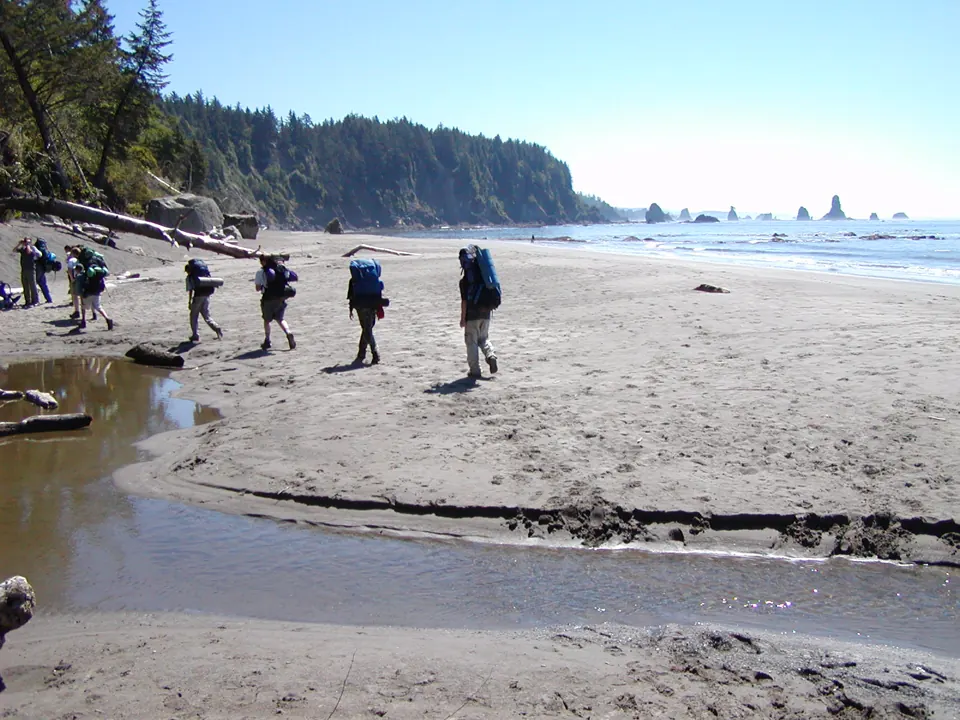
Olympic National Park
- Best for
- Ecosystem range
- Why it ranks
- Rain forest, alpine ridges, lakes, and wild coast support very different hiking days
- Keep in mind
- The main areas are far apart
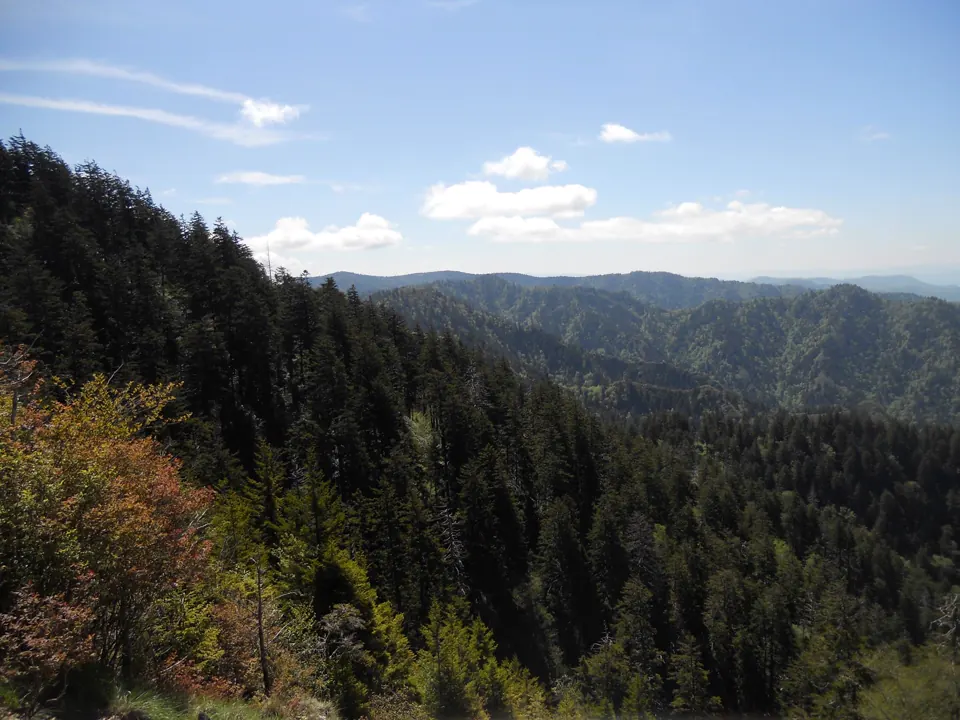
Great Smoky Mountains National Park
- Best for
- A deep forest trail network
- Why it ranks
- More than 800 miles of trail reward repeat visits and seasonal exploration
- Keep in mind
- Weather, stream crossings, and limited parking complicate some routes
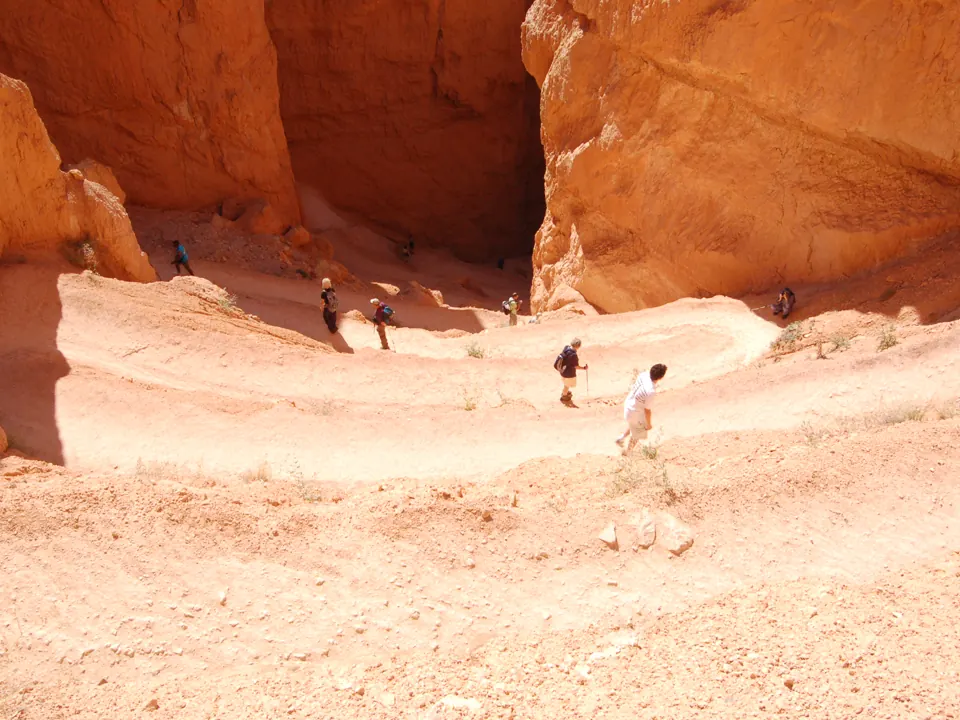
Bryce Canyon National Park
- Best for
- A high-value short trip
- Why it ranks
- Connected amphitheater loops put hikers among hoodoos in a few hours
- Keep in mind
- High altitude and uphill returns make short routes harder than they look
What moved a park up this ranking?
The order rewards a strong collection of day hikes, not one world-famous objective. A park moves up when several trails remain worthwhile across different abilities, seasons, and available hours.
Trail range matters most. We looked for a useful spread from short walks through full-day routes, then considered whether those hikes reveal different terrain rather than repeating the same view at different distances.
- Several excellent hikes instead of one headline route
- Meaningful choices for easy, moderate, and strenuous days
- Distinct terrain, scenery, or ecosystems within the park
- Access plans that can survive a full parking lot or closed road
- Enough depth to reward more than one hiking day
Access affects the order because a trail you cannot reach does not help your trip. Parking, shuttle schedules, permits, seasonal roads, snow, heat, and river conditions can all turn a strong route into a poor choice for specific dates.
This remains an editorial judgment. It does not measure wilderness value, wildlife, cultural importance, camping, scenic drives, or how impressive a park looks from a roadside overlook.
1. Yosemite offers the deepest day-hike bench
Yosemite wins on usable range. In Yosemite Valley, Lower Yosemite Fall is an easy one-mile loop with about 50 feet of gain, while the full Yosemite Falls Trail stretches to roughly 7.2 miles round trip with about 2,700 feet of climbing.
That spread continues between the two extremes. You can walk Cook's Meadow, extend a mostly flat Valley Loop, climb to the Vernal Fall footbridge, or commit to Nevada Fall, Glacier Point, or a rim route.
Half Dome is a separate decision. The usual day hike runs about 14 to 16.4 miles with roughly 4,800 feet of gain, and the cable section requires a permit when the cables are installed.
One park supports many hiking days. Yosemite Valley supplies waterfalls and granite walls, Glacier Point Road opens south-rim choices when conditions permit, and the Tioga Road high country adds lakes, domes, meadows, and cooler elevations during its shorter season.
The same breadth creates the main drawback. Trailheads, shuttles, one-way routes, parking, and seasonal roads must fit together, so a famous route with no transport backup can waste a day.
Choose Yosemite if your group has mixed ambitions or varied hiking fitness across several days. Choose a smaller park if you would rather spend less time solving access and more time walking from a compact base.
A day-hiking checklist for Yosemite should include the route, seasonal road status, transport, water, and a second trailhead. Those checks matter more here than simply choosing the highest-rated trail.
2. Grand Teton concentrates alpine scenery near the trailheads
Grand Teton is the best alternative when you want immediate mountain payoff without sorting through Yosemite's larger geography. The National Park Service lists more than 250 miles of trails, with choices ranging from short lake walks to long canyon and high-pass routes.
Jenny Lake, String Lake, Leigh Lake, Lupine Meadows, and the canyons place water, forest, and the Teton skyline close together. A moderate group can build a day around lakes and lower canyon terrain, while a stronger group can climb toward Surprise and Amphitheater Lakes or farther into Cascade Canyon.
The mountain front is compact. That makes route comparison easier, but it also concentrates cars at the same trailheads.
NPS warns that popular parking areas often fill early during summer and fall, so your backup should begin somewhere else instead of sharing the same lot.
Construction matters in 2026. Death Canyon Trailhead is closed, and work affects part of the Taggart Trail, so use the current NPS hiking page rather than an old itinerary before choosing a route.
Grand Teton fits hikers who want alpine lakes and steep mountain relief to dominate the trip. Basic hiking safety checks include carrying bear spray where recommended, knowing how to use it, and remembering that a busy trailhead does not make a canyon controlled.
3. Acadia packs coast, forest, lakes, and summits into short drives
Acadia earns third place because it delivers the most variety in the smallest area. Its trail system exceeds 150 miles and can move from rocky shoreline to forest, freshwater, and exposed granite summits during one trip.
Easy choices include Ocean Path and gentler lake or carriage-road walks. Stronger hikers can link summits, climb stone staircases, or choose iron-rung routes where exposure and handholds matter more than mileage.
The mountains rise from near sea level, so a low summit number does not mean a soft hike. Steep granite and the same wet-trail footing problems found on rainy hikes can make a short route demanding.
Compact does not mean uniform. A morning coastal walk and an afternoon summit feel like different hiking days, yet you can reach both without crossing a huge park.
The fare-free Island Explorer serves several trailheads during its operating season. That can reduce parking pressure, but you still need the current timetable and a route whose finish matches the bus network.
Acadia is the strongest choice for a long weekend, mixed abilities, or hikers who prefer several short and moderate routes over one all-day epic. It is less suitable if your main goal is sustained high-alpine terrain.
4. Glacier rewards hikers who can absorb seasonal uncertainty
Glacier ranks fourth because its alpine trail quality is exceptional, but a successful day depends heavily on timing. More than 700 miles of trails reach lakes, passes, waterfalls, and the Continental Divide.
Lower routes can open while snow still blocks high passes. NPS notes that higher trails are commonly not snow free until late July, so a June list copied from a summer trip can be unusable.
Many Glacier, Two Medicine, Lake McDonald, and the Going-to-the-Sun Road corridor each support a different set of day hikes. The park is large enough that moving to another area after a failed parking plan may cost more time than your schedule allows.
Flexibility needs preparation. Carry an offline map because coverage is weak, plan for fast weather changes, and give a solo hiking plan extra margin when group travel is not possible.
Choose Glacier when you can build the trip around the hiking season and reserve transport early. If your dates are fixed near the edge of summer, Grand Teton or Acadia usually offers a more dependable shortlist.
5. Zion delivers huge canyon drama with the most friction
Zion places fifth because it gives you distinctive canyon hiking but asks for more planning than the parks above it. Sheer walls, hanging gardens, river travel, slickrock, and high desert plateaus create routes that do not feel interchangeable.
Many Zion Canyon trailheads depend on the seasonal shuttle. That reduces private traffic in the canyon, but it also ties your start and finish to service hours, queues, and the correct stop.
Angels Landing is only one part of Zion. A permit is required for the chain section beyond Scout Lookout, while other canyon, East Rim, Kolob, and terrace routes do not use that permit.
Water changes the route. The Narrows depends on river flow, temperature, flash-flood risk, and equipment, while every Subway hiker needs a wilderness permit.
A clear sky above you does not rule out dangerous water arriving from storms upstream.
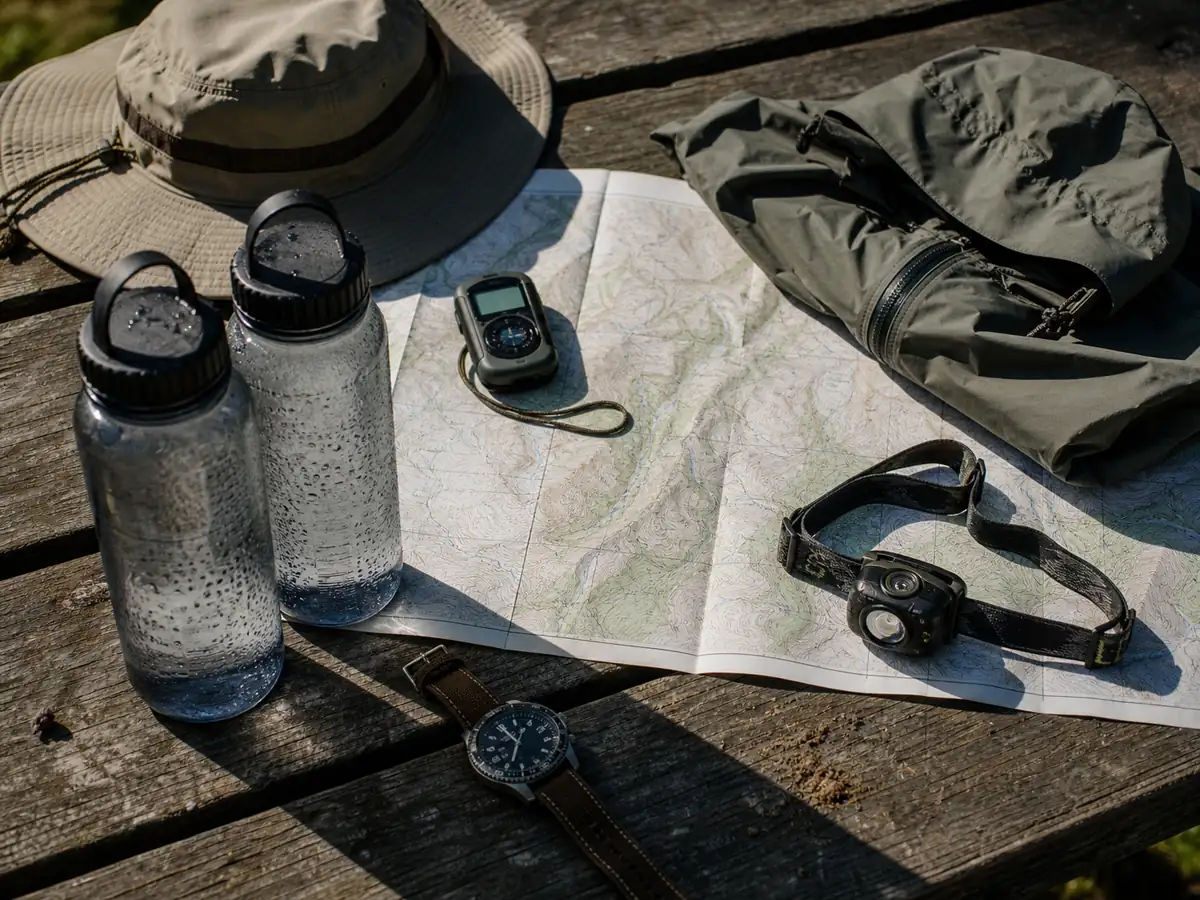
Summer heat adds another constraint on exposed trails. A sound hot-weather hiking plan starts early but also carries enough water and keeps the return climb out of the hottest hours.
Your water carry plan must reflect the entire route rather than the cool first mile. Zion's dry air, sun, steep returns, and limited refill options can raise demand quickly.
Pick Zion when canyon terrain is the purpose of the trip and you accept permits or shuttle planning. Pick Bryce when you want red-rock walking with simpler route connections and less dependence on river conditions.
6. Olympic wins on ecosystem range, not convenient routing
Olympic can give you a rain-forest walk, an alpine ridge, a lake trail, or a wilderness beach. Those hiking areas are far apart, so one normal day should focus on one part of the peninsula.
The range within each area is still useful. Hall of Mosses is a 0.8-mile loop, Hurricane Hill runs about 1.6 miles one way with roughly 700 feet of gain, and Mount Storm King climbs about 2,100 feet in only 2.1 miles one way.
That last comparison shows why distance alone fails here. A short forest loop, a paved ridge climb, and a steep lake-side ascent demand different footwear, weather tolerance, and turnaround judgment.
Choose one ecosystem per day. NPS trip guidance suggests two or three days to experience the park's three major ecosystems, which is a better plan than losing hours to a cross-peninsula drive.
Zone-specific weather and water conditions mean you should carry rain protection even on short walks, treat natural water, and check tides before a coastal hike where headlands or drift logs can restrict passage.
Most Olympic trails and wilderness beaches do not allow pets. A dog-ready hiking plan therefore needs an allowed route or a different destination before you start the drive.
Olympic suits hikers who value variety across a multi-day trip and do not mind changing bases, while Acadia better fits the same appetite for landscape variety when you need much shorter transfers.
7. Great Smoky Mountains favors mileage and repeat visits
Great Smoky Mountains has the deepest forest network in this ranking because more than 800 miles of trails cross over half a million acres, giving repeat visitors far more choices than one trip can cover.
Waterfalls, hardwood coves, old-growth pockets, historic sites, ridges, and high summits create real variety even without western alpine terrain. Seasonal leaf cover, wildflowers, humidity, and winter sightlines can make the same area feel different across the year.
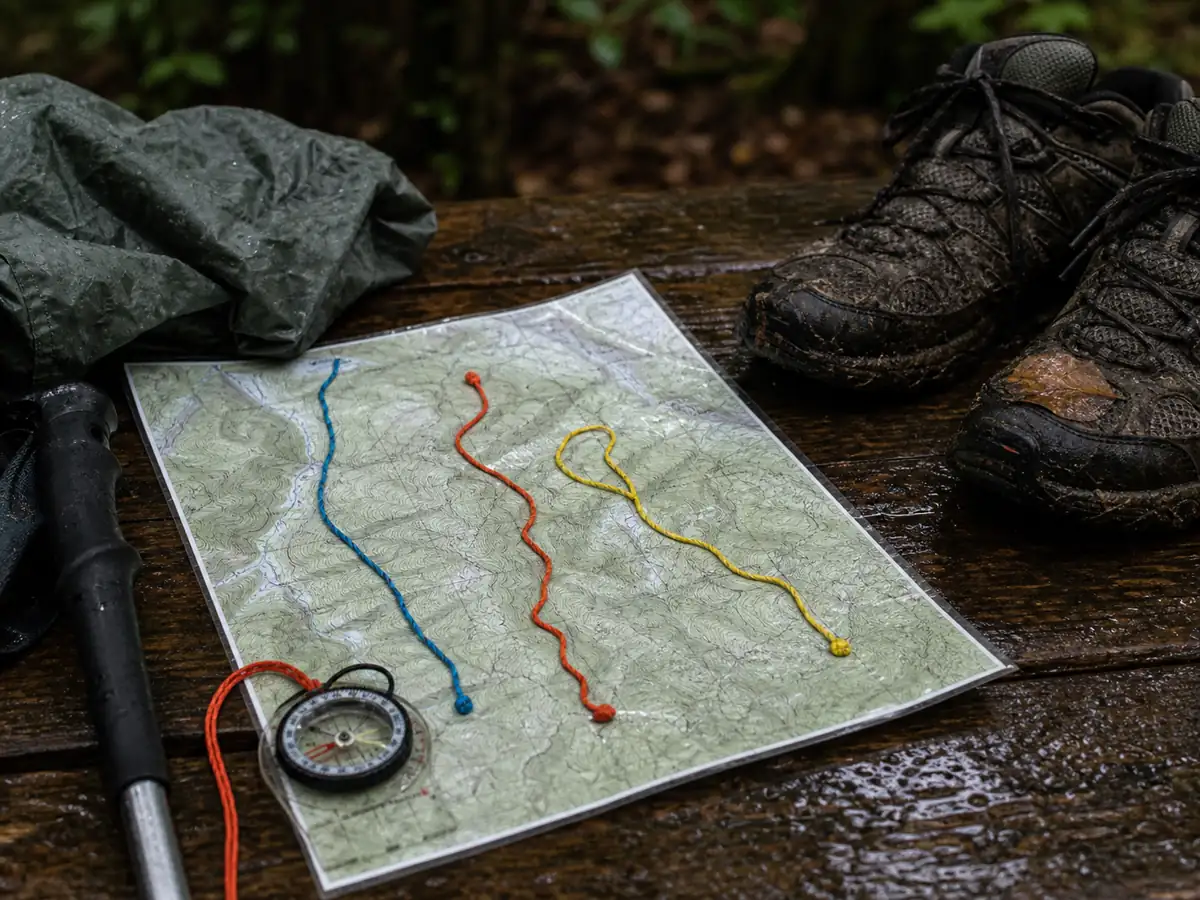
Mileage is not difficulty. NPS warns that a short mountain trail may still be steep or slow, and wet roots, swollen streams, bridge damage, fallen trees, and erosion can change travel time.
Parking is the common practical limit, so a sustainable hiking pace and a second route in another parking area work better than rushing to recover time after a late start.
This park fits hikers who enjoy forest detail, waterfalls, long ridge mileage, and returning in several seasons. It ranks below Olympic because its landscape change is less dramatic, but it beats Olympic when you want a much larger connected trail network.
8. Bryce Canyon is the strongest short-trip specialist
Bryce Canyon is the best pick when you have one hiking day and want maximum geological payoff per hour because connected paths around the main amphitheater let you combine the rim with routes through dense hoodoo formations.
The Queen's Garden and Navajo combination forms a 2.9-mile loop with about 625 feet of elevation change. Stronger hikers can choose the 8-mile Fairyland Loop with roughly 1,900 feet of change or build the 6.4-mile Figure-8 through three connected trails.
Shorter does not automatically mean easier. The main hiking area sits around 8,000 to more than 9,000 feet, and routes that descend from the rim make you save the climb for the return.
Bryce is a specialist. It gives you superb hoodoo hiking with simple connections, but it cannot match Yosemite's trail breadth, Olympic's ecosystems, or Glacier's long alpine routes.
Choose Bryce for a short visit, a clear loop-based plan, or red-rock terrain without Zion's river and permit dependencies.
A winter hiking system includes traction and current closure checks because steep switchbacks and shaded sections can hold ice.
Which park fits your day-hiking style?
The numbered order is a starting point. Your preferred terrain and tolerance for logistics can reverse it because the seventh park for one hiker may be the first park that fits another hiker's actual trip.
| Park | Strongest fit | Useful hike range | Main friction |
|---|---|---|---|
| Yosemite | Several hiking days with mixed abilities | Flat valley walks to strenuous rim and summit routes | Crowds, transport, seasonal roads |
| Grand Teton | Concentrated alpine lakes and canyons | Short lakeside walks to long mountain climbs | Early parking pressure, wildlife, seasonal snow |
| Acadia | A compact long weekend | Coast and lake walks to exposed granite summits | Busy trailheads, steep rock, ladder routes |
| Glacier | Long alpine days in midsummer | Nature trails to high passes | Snow timing, shuttles, parking, wildlife |
| Zion | Canyon and river terrain | Paved walks to permit-controlled objectives | Heat, water, permits, shuttle dependence |
| Olympic | Different ecosystems across several days | Short rain-forest loops to steep mountain hikes | Long drives between areas, changing weather |
| Great Smoky Mountains | Repeat forest and ridge hiking | Short waterfall walks to long summit days | Parking, humidity, stream and trail conditions |
| Bryce Canyon | One concentrated red-rock day | One-mile rim walks to eight-mile hoodoo loops | Altitude, uphill return, ice |
Match the trip you can take. If you have one day, Bryce or Acadia provides a cleaner plan than Olympic.
A group hiking with kids may value Yosemite's short valley choices more than its position on a strenuous-route list suggests.
Best overall
Yosemite has the broadest collection of strong day hikes across difficulty and terrain.
Best compact choice
Acadia fits coast, forest, lakes, and exposed summits into short transfers.
Best alpine concentration
Grand Teton places mountain views and canyon routes near one front-country corridor.
Best short trip
Bryce Canyon turns a few hours into a complete rim-and-hoodoos hiking day.
Best for repeat forest mileage
Great Smoky Mountains supplies the largest trail network on this list.
For a fixed early-summer date, snow may push Glacier below Grand Teton. For a winter trip, low-elevation Yosemite Valley, parts of Zion, or the Bryce rim may remain useful, but each needs a fresh weather, road, and traction check.
Plan the trail day before you book the park trip
Choose the hike before you commit to lodging and transport. Booking first is one of the common hiking mistakes that can leave you hours from the trailhead or on the wrong side of a seasonal road.
Build the day backward. Start with the route, access window, group pace, and finish time, then decide where to sleep and how to reach the start.
- Choose the hiking experienceDecide whether you want coast, forest, canyon, hoodoos, alpine lakes, waterfalls, or a summit before comparing famous park names.
- Set a realistic effort ceilingCompare distance, total gain, altitude, footing, exposure, return climb, and the slowest person's pace.
- Verify accessCheck official road, shuttle, parking, permit, and trail information for the exact date.
- Choose an independent backupUse a different trailhead or transport dependency so the same closure does not remove both choices.
- Fix the turnaroundSet the time or condition that sends you back while the return remains manageable.
A 6-mile trail with 2,500 feet of gain can demand more than a 10-mile valley loop. A careful trail difficulty choice also weighs altitude, heat, exposed rock, wildlife, and the return route.
- Current trail and road status checked on the official park site
- Permit or shuttle confirmation saved offline when required
- Weather, heat, river flow, tide, or smoke checked for the route
- Water and layers matched to the full day rather than the first mile
- Offline map and turnaround time shared with the group
- Backup trail still reachable if the first access plan fails
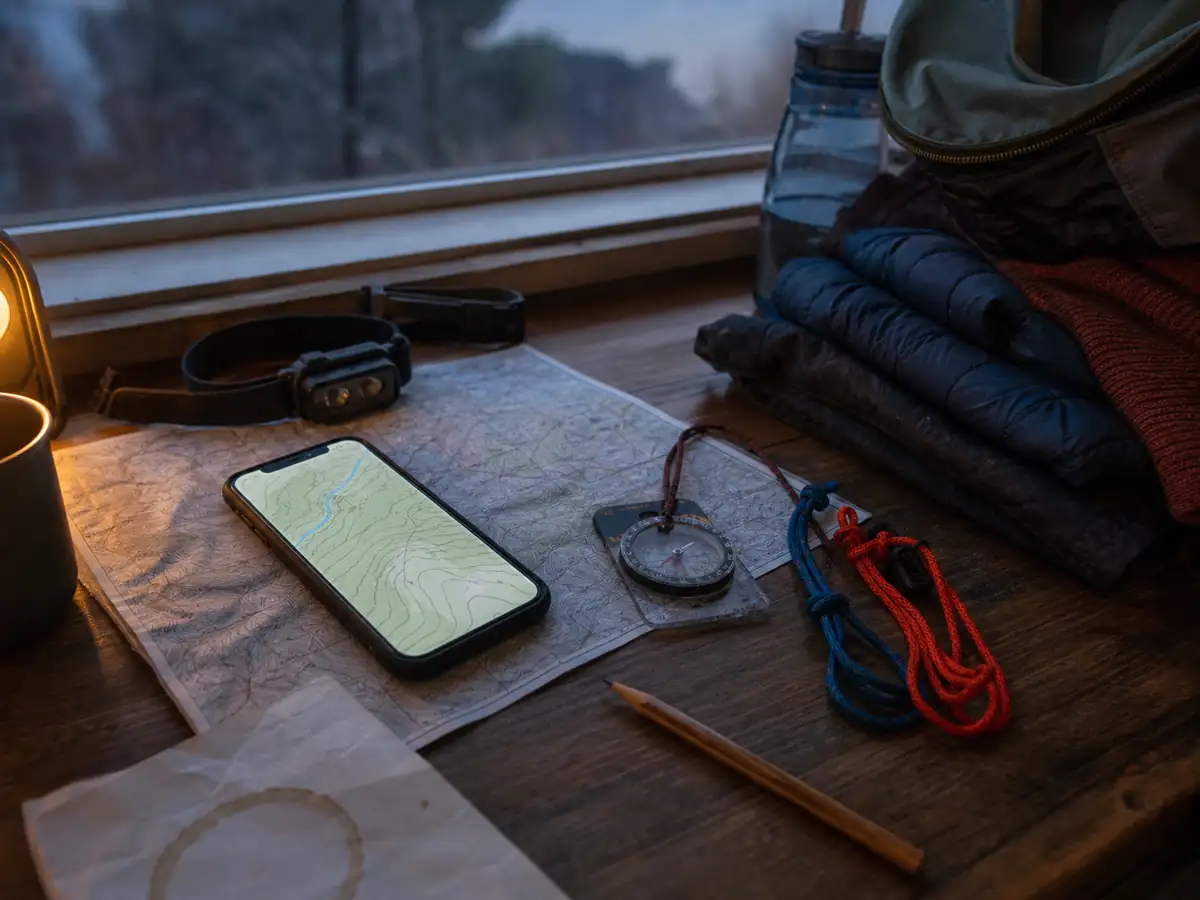
The final choice should leave room for a slower group, a missed shuttle, or weather that arrives early. Your hiking packing list should support that delay instead of assuming every connection works perfectly.
Sources and verification notes
Trail distances, elevation figures, trail-network totals, and access statements in this ranking come from official National Park Service hiking and planning pages. Changing conditions still need a fresh check because road openings, construction, parking rules, shuttles, permits, river flow, fires, and closures can change after publication.
Verify before departure. Use the official hiking page for route facts and the park's current-conditions page for the final decision.
- Yosemite trail details
- Grand Teton hiking and 2026 construction
- Acadia hiking environments and rules
- Glacier trail planning
- Zion planning and permit details
- Olympic day-hiking options
- Great Smoky Mountains day hikes
- Bryce Canyon day hikes
Third-party trip reports can help you understand feel and pacing, but they should not overrule current NPS access or safety information. Treat every permit, shuttle, closure, and construction statement as date-sensitive.
AnswersQuestions readers ask
Which national park has the best day hikes overall?
Yosemite ranks first for its range from easy valley walks to waterfall climbs, rim routes, and seasonal high-country trails. Grand Teton is the stronger choice when you want concentrated alpine scenery with less geographic sprawl.
Which national park is best for beginner day hikers?
Acadia gives beginners many short coastal, forest, lake, and carriage-road choices, though some summit and ladder routes are strenuous. Bryce Canyon also has short routes, but its altitude and uphill returns require conservative pacing.
Do national park day hikes require permits?
Most ordinary day hikes do not require a wilderness permit, but specific objectives may. Half Dome, the Angels Landing chain section, and every Subway hike are examples that require advance permission or a lottery.
When is the best season for national park day hiking?
The best window depends on elevation and climate. High routes in Glacier and Yosemite may hold snow into summer, while Zion and Bryce often reward cooler spring or fall dates.
How many days should I allow for a day-hiking park trip?
Allow three or four hiking days for Yosemite, Glacier, Olympic, or Great Smoky Mountains if you want meaningful variety. Acadia and Bryce can deliver a strong trip in one or two days because their main hiking areas are more concentrated.